




Quick Placement: Heritage Caretaker in Lincoln ‚ Discover Conservation Property and Estate Roles via an Experienced Heritage Caretaker Recruitment Agency
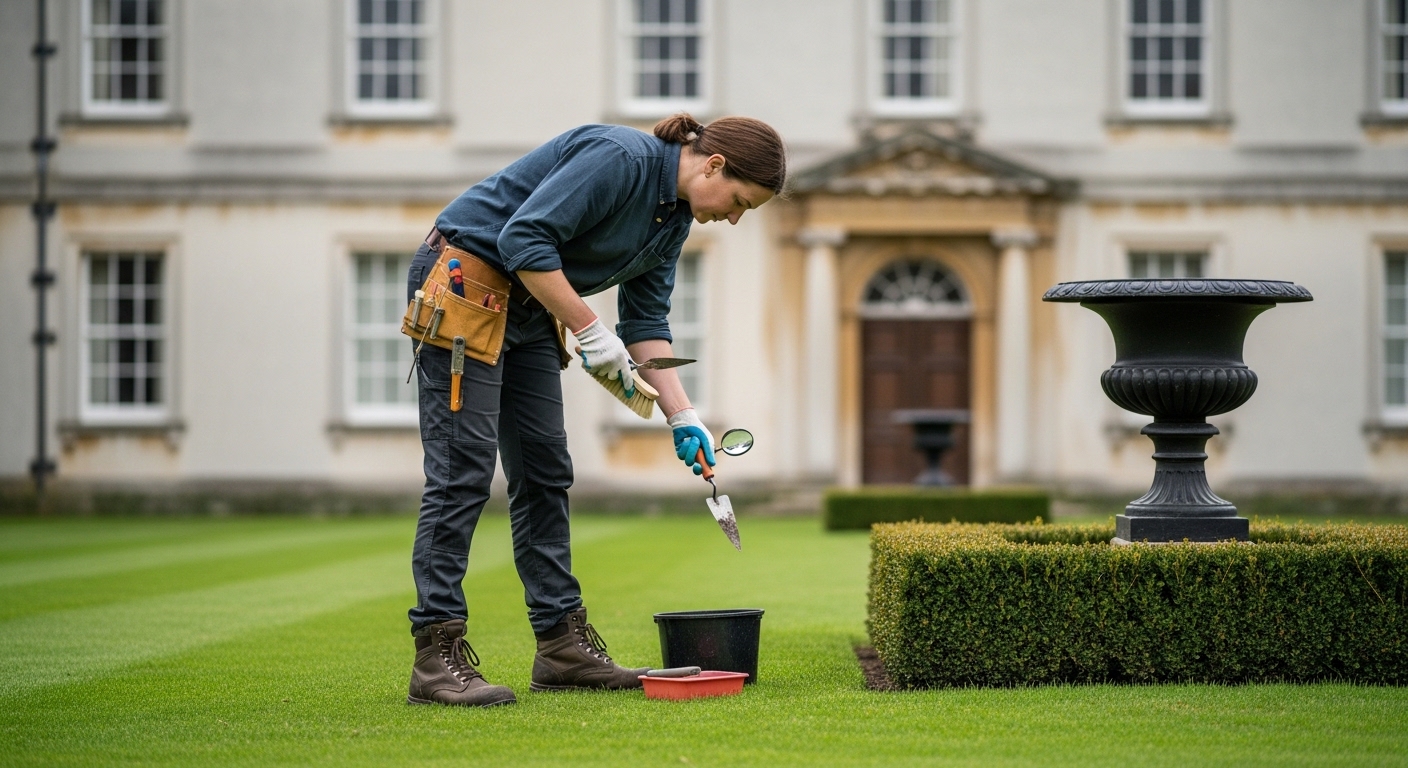
Lincoln is one of England's most historically significant cities, home to a magnificent medieval cathedral, a Norman castle, and countless listed buildings that form the backbone of Britain's architectural heritage. For those passionate about preserving the past, a career as a Heritage Caretaker in Lincoln offers a deeply rewarding path — one that blends practical property management with a profound sense of cultural stewardship. Whether you are an experienced conservation professional or someone eager to enter the heritage sector for the first time, the opportunities in and around Lincoln are growing steadily.
At the heart of connecting talented candidates with these specialist roles is Quick Placement, an experienced heritage caretaker recruitment agency that has built a strong reputation across the United Kingdom. From sourcing skilled heritage and property staff nationwide to filling urgent caretaker vacancies at historic estates, Quick Placement brings together the right people and the right opportunities with precision and care.
What Is a Heritage Caretaker? Understanding the Role
A heritage caretaker is a professional responsible for the day-to-day maintenance, security, and operational management of a heritage property. This might be a medieval castle, a Georgian country house, a Victorian mill, a listed urban building, or a nationally significant site managed by bodies such as English Heritage, the National Trust, or local authorities.
Unlike a standard building caretaker, a heritage caretaker must possess a specialised understanding of conservation principles. They are expected to apply traditional maintenance techniques, use historically appropriate materials, and consult with conservation architects and specialists before undertaking any restoration or repair work. The role demands both practical skill and cultural sensitivity.
Key Responsibilities of a Heritage Caretaker
- Conducting regular inspections of buildings, grounds, and infrastructure
- Coordinating routine and preventative maintenance in line with conservation guidelines
- Managing contractors and specialist craftspeople working on the property
- Ensuring compliance with health and safety regulations on heritage sites
- Overseeing visitor management and public access where applicable
- Protecting the site from vandalism, theft, and environmental damage
- Maintaining records, logs, and condition reports for Historic England or equivalent bodies
- Supporting events, educational programmes, and community engagement activities
- Liaising with estate managers, trustees, and conservation officers
In cities like Lincoln, where the density of listed and protected buildings is exceptionally high, heritage caretakers are indispensable. The Lincoln Cathedral Quarter, the Bailgate area, the Medieval Bishops' Palace, and the numerous Georgian townhouses along Steep Hill all require dedicated professionals who understand the delicate balance between use and preservation.
Heritage and Conservation Employment in Lincoln: A Growing Sector
Lincoln's heritage sector is one of its largest employers in the cultural and property services space. With tourism contributing significantly to the local economy — the city attracts well over one million visitors annually — the demand for skilled heritage workers, estate managers, and conservation caretakers continues to rise year on year.
Several major employers in the heritage and conservation space are active in Lincoln and the surrounding Lincolnshire region:
- Lincoln Cathedral — One of the finest Gothic cathedrals in Europe, requiring a large team of skilled caretakers, stonemasons, and property managers
- Lincoln Castle — A Norman castle and active heritage site managed by Lincolnshire County Council
- The Collection Museum — Lincolnshire's principal museum and archaeology centre
- National Trust Properties — Including Gunby Hall, Tattershall Castle, and other Lincolnshire estates
- Historic England — Overseeing hundreds of listed buildings across the county
- Private Landed Estates — Lincolnshire is home to many large private estates that require permanent and seasonal caretaking staff
Quick Placement works closely with many of these organisations and private clients, offering flexible staffing solutions that include both permanent placements and temporary cover for caretaking and estate management roles.
Types of Conservation and Estate Roles Available Through Quick Placement
Quick Placement's expertise in the heritage and estate sector extends far beyond the basic caretaker role. The agency places candidates across a wide spectrum of conservation and property management positions, serving clients not only in Lincoln but across the United Kingdom — from Birmingham to Dundee, Chester to Belgravia.
1. Heritage Caretaker
The core role. Responsible for the physical management, security, and maintenance of a heritage building or site. Roles are available on a permanent, temporary, and contract basis.
2. Estate Manager
A senior role overseeing all aspects of a large historic estate, including staff management, budget control, tenant relations, and long-term conservation planning.
3. Conservation Property Manager
Specialist property managers who work exclusively with listed buildings, scheduled monuments, and conservation areas, ensuring compliance with planning and heritage legislation.
4. Grounds and Gardens Supervisor
Responsible for maintaining the landscape settings of heritage properties, including formal gardens, parkland, walled gardens, and historic water features.
5. Site Warden
Often found at outdoor heritage sites, wardens manage public access, interpret the site for visitors, and carry out basic maintenance duties.
6. Building Maintenance Operative (Heritage Specialist)
Skilled trades people — including stonemasons, plasterers, carpenters, and roofers — who have been trained in traditional building methods and can work sympathetically on historic fabric.
7. Housekeeping and Interior Conservation Staff
Specialist housekeepers who understand the care of historic interiors, antique furniture, tapestries, and fragile artefacts. Quick Placement regularly places experienced heritage housekeepers in Leeds and other major UK cities.
8. Front of House and Visitor Experience Staff
Heritage properties increasingly require professional front-of-house teams to manage visitor welcome, ticketing, and interpretation. Quick Placement places front-of-house receptionists in Belgravia and similar high-profile environments.
Why Choose Quick Placement as Your Heritage Caretaker Recruitment Agency?
Quick Placement has built its reputation as one of the UK's most responsive and knowledgeable recruitment agencies by focusing on quality, speed, and specialist understanding. When it comes to heritage and conservation recruitment, these qualities matter more than in almost any other sector.
Deep Sector Knowledge
The team at Quick Placement understands the unique demands of heritage property management. They know the difference between a Listed Building Consent application and a standard planning permission, and they appreciate why a candidate with experience in lime mortar pointing is far more valuable to a heritage client than one with only modern construction skills.
Extensive Candidate Database
Quick Placement maintains a large and actively managed database of heritage and conservation professionals, including qualified caretakers, experienced estate managers, and specialist tradespeople. When a client needs urgent staffing — whether for immediate-start roles in Milton Keynes or permanent positions in Lincoln — the agency can respond rapidly.
Nationwide Reach
While Lincoln is a core market, Quick Placement's reach extends across the entire United Kingdom. The agency places candidates in cities including Birmingham, Leeds, Chester, Glasgow, Dundee, Belgravia, and Ilford. This national footprint means that heritage organisations of all sizes — from independent trusts to large national bodies — can rely on Quick Placement for their staffing needs.
Flexible Staffing Models
Heritage organisations often need flexibility. They may require additional caretaking staff during busy summer visitor seasons, emergency cover during staff illness, or a long-term permanent appointment to lead a conservation programme. Quick Placement offers all of these models, including temporary, contract, and permanent placements.
For example, organisations requiring temporary administrative support in Clacton or skilled operatives for day-shift roles in Chester will find Quick Placement equally responsive and professional.
Thorough Candidate Vetting
All candidates placed by Quick Placement undergo a rigorous screening process including identity verification, right-to-work checks, reference verification, and skills assessment. For heritage roles, additional checks may include DBS (Disclosure and Barring Service) clearance, especially where candidates will be working in properties open to the public or caring for vulnerable collections.
Table 1: Top Industries Hiring Heritage and Property Professionals in Key UK Cities
| City | Top Heritage/Property Sector | Key Employers | Demand Level |
|---|---|---|---|
| Lincoln | Cathedral & Castle Heritage Sites | Lincoln Cathedral, Lincolnshire County Council, National Trust | Very High |
| Birmingham | Industrial Heritage & Urban Conservation | Birmingham City Council, Jewellery Quarter Trust, Cadbury World | High |
| Leeds | Country House Estates & Civic Buildings | Leeds City Council, Harewood House Trust, Temple Newsam | High |
| Chester | Roman Archaeology & Walled City Conservation | Chester Zoo, Chester Cathedral, Cheshire West Council | High |
| Glasgow | Victorian Architecture & Tenement Conservation | Glasgow City Heritage Trust, NTS, Historic Environment Scotland | Medium-High |
| Dundee | Maritime Heritage & Civic Conservation | V&A Dundee, RRS Discovery, Dundee City Council | Medium |
| Belgravia (London) | Private Residential Estates & Grade I Listed | Grosvenor Estate, Private Landowners, Embassy Properties | Very High |
| Milton Keynes | Mixed Heritage & Modern Estate Management | Milton Keynes Council, The Parks Trust, English Heritage | Medium |
Table 2: Average Pay Rates for Heritage and Conservation Roles in the UK
| Job Role | Entry Level (per hour) | Experienced (per hour) | Senior/Specialist (per hour) | Annual Salary Range |
|---|---|---|---|---|
| Heritage Caretaker | £13.50 | £16.00 | £19.00 | £26,000 – £38,000 |
| Estate Manager | £18.00 | £24.00 | £32.00 | £38,000 – £65,000 |
| Conservation Property Manager | £17.00 | £22.00 | £28.00 | £34,000 – £56,000 |
| Grounds Supervisor | £13.50 | £15.50 | £18.00 | £26,000 – £36,000 |
| Heritage Housekeeper | £13.00 | £15.00 | £17.50 | £24,000 – £33,000 |
| Site Warden | £12.50 | £14.50 | £16.50 | £23,000 – £32,000 |
| Stonemason (Heritage) | £16.00 | £20.00 | £26.00 | £32,000 – £50,000 |
| Front of House / Receptionist | £12.50 | £14.50 | £17.00 | £23,000 – £33,000 |
All pay rates listed are above the National Minimum Wage of £12.21 per hour. Actual rates may vary depending on employer, location, experience, and specific role requirements. Quick Placement ensures all placements meet or exceed legal minimum standards.
Skills and Qualifications Required for Heritage Caretaker Roles in Lincoln
Heritage caretaking is a specialised profession, and employers — whether national organisations or private estate owners — look for a well-rounded combination of practical ability, professional knowledge, and personal qualities.
Essential Skills
- Building maintenance knowledge — including roofing, drainage, masonry, timber, and specialist finishes
- Conservation awareness — understanding of the principles of minimum intervention and reversibility in heritage contexts
- Health and safety compliance — including COSHH, working at height, manual handling, and fire safety
- Security management — experience with alarm systems, CCTV, access control, and perimeter management
- Record keeping — ability to maintain detailed maintenance logs, condition surveys, and contractor records
- IT literacy — for managing computerised maintenance management systems (CMMS) and reporting tools
- Communication skills — liaising with conservation officers, architects, contractors, and visiting members of the public
Desirable Qualifications
- NVQ Level 3 in Built Environment or Property Services
- IOSH Managing Safely or NEBOSH General Certificate
- BTEC or HNC in Building Conservation
- City & Guilds qualifications in relevant trades (masonry, carpentry, plumbing)
- First Aid at Work certificate
- Full UK driving licence
For candidates seeking window cleaning or rope access work at heritage buildings — a specialist skill increasingly in demand at tall structures like Lincoln Cathedral — Quick Placement also places professionals with abseiling qualifications, including those registered for rope access and abseiling window cleaning work in Glasgow and other major cities.
The Heritage Caretaker Job Market in Lincoln and Lincolnshire
Lincolnshire as a whole is one of England's most heritage-rich counties. Beyond Lincoln city centre, there are dozens of significant sites spread across the county — from Tattershall Castle in the south to Grimsby's historic docklands in the north, and from the ancient Lincolnshire Wolds AONB to the extraordinary flat landscape of the Fens.
This geographic spread creates demand for heritage caretakers and conservation professionals not just in Lincoln itself, but across a wide rural and market-town hinterland. Roles are often residential — particularly on private estates — offering accommodation as part of the remuneration package. This makes Lincolnshire particularly attractive to heritage professionals looking to combine career fulfilment with a high quality of life and lower living costs compared to the South East.
Demand Drivers in the Lincoln Heritage Sector
Several factors are driving continued growth in heritage caretaking and conservation employment in Lincoln:
- Increased tourism — Lincoln's tourism economy has grown substantially over the past decade, driving investment in heritage site management
- Heritage Lottery Fund grants — Significant funding has been directed into Lincolnshire heritage projects, creating new caretaking and management roles
- Ageing workforce — Many experienced heritage professionals are approaching retirement, creating vacancies at all levels
- Climate change adaptation — Heritage properties face increasing threats from flooding, extreme heat, and storm damage, requiring skilled caretakers capable of managing these new risks
- Policy requirements — Stricter conservation area and listed building controls mean that more specialist oversight is required at heritage properties
How Quick Placement Supports Heritage Employers Across the UK
Quick Placement serves both candidates seeking heritage roles and employers looking to recruit skilled conservation and estate staff. The agency's approach is consultative — working closely with clients to understand their specific requirements, organisational culture, and the particular characteristics of their heritage property.
For Heritage Employers
Heritage property owners and managers can rely on Quick Placement for:
- Rapid response to urgent staffing needs — including same-day or next-day placements
- Long-term permanent recruitment for senior caretaking and estate management roles
- Seasonal staffing solutions to cover peak visitor periods
- Specialist recruitment for niche conservation trades
- Administrative and support staff for heritage organisations, such as temporary office administrators in Clacton
The agency also provides staffing support for broader property and facilities management needs, including specialist cleaning services in Dundee, skilled labourers for maintenance projects through the Birmingham skilled labour workforce hub, and emergency front desk reception cover in Ilford.
For Heritage Job Seekers
Candidates looking for heritage caretaker roles in Lincoln and beyond can register with Quick Placement to benefit from:
- Access to exclusive vacancies not advertised elsewhere
- CV and interview preparation support from experienced consultants
- Guidance on relevant qualifications and training pathways
- Competitive pay rates well above the National Minimum Wage
- Ongoing support throughout the placement period
- Opportunities for career progression from temporary to permanent roles
Table 3: UK Heritage and Conservation Job Market Statistics
| Metric | UK National Figure | East Midlands (inc. Lincoln) | Source / Notes |
|---|---|---|---|
| Heritage sector employment (total jobs) | Approx. 190,000+ | Approx. 14,000+ | Historic England / DCMS estimates |
| Listed buildings in England | Over 376,000 | Over 12,000 in Lincolnshire | Historic England National Register |
| Annual heritage tourism contribution | Over £31 billion | Approx. £1.4 billion | VisitBritain / Historic England 2024 |
| Projected growth in heritage jobs (5 years) | 8% – 12% | 10% – 14% | HM Treasury / CITB projections |
| Heritage caretaker vacancies (annually) | Approx. 4,500 – 6,000 | Approx. 350 – 500 | Quick Placement internal data & job board analysis |
| Average time to fill heritage caretaker role | 42 days (open market) | 18 days (via Quick Placement) | Quick Placement performance data |
| Candidates with heritage-specific qualifications | Approximately 28% of applicants | Approximately 31% in Lincolnshire | Quick Placement applicant database |
Career Pathways in Heritage Caretaking: From Entry Level to Senior Management
One of the most rewarding aspects of a career in heritage caretaking is the clearly defined progression pathway available to motivated professionals. Many of today's senior estate managers and conservation directors began their careers as site operatives or junior caretakers, working their way up through a combination of practical experience, professional development, and mentoring.
A Typical Career Progression
Stage 1 — Entry Level (0–3 years): Junior Caretaker, Site Operative, Grounds Assistant. Focused on learning the practical aspects of heritage property management under supervision. Typical hourly rate: £13.00 – £14.50.
Stage 2 — Practitioner (3–7 years): Heritage Caretaker, Building Maintenance Operative, Head Groundsperson. Taking on independent responsibility for specific buildings or areas. Beginning to manage contractors. Typical hourly rate: £15.00 – £18.00.
Stage 3 — Senior Specialist (7–12 years): Senior Caretaker, Facilities Coordinator, Conservation Property Supervisor. Managing teams, overseeing budgets, and contributing to conservation planning. Typical hourly rate: £18.00 – £24.00.
Stage 4 — Management (12+ years): Estate Manager, Head of Property, Conservation Director. Strategic leadership of heritage properties, estates, or portfolios. Annual salary: £45,000 – £75,000+.
Quick Placement supports candidates at every stage of this journey, offering appropriate roles and advice tailored to their current level and future ambitions.
Lincoln's Heritage Landscape: What Makes It Special
Understanding Lincoln's specific heritage character is essential for any caretaker working in the city. Lincoln is unique among English cities for the sheer concentration and quality of its historic built environment within a compact area.
Uphill Lincoln
The area known as "Uphill Lincoln" — the historic hilltop quarter — contains the cathedral, the castle, and the majority of the city's Grade I listed buildings. This is the primary zone for heritage caretaking employment, and properties here require the most specialist care and management.
Downhill Lincoln
The lower city contains an equally interesting mix of Victorian commercial architecture, Georgian townhouses, and medieval street patterns. The ongoing regeneration of areas such as the Brayford Waterfront and the Cornhill Quarter is creating new heritage management roles, particularly in mixed-use settings where old buildings are being adapted for contemporary use.
Rural Lincolnshire
Beyond the city, Lincolnshire's vast rural hinterland contains numerous significant country houses, farm complexes, and agricultural estates, many of which are listed. Live-in caretaker roles at these properties often include estate cottage accommodation and represent one of the most attractive lifestyle propositions in the heritage employment market.
Table 4: Quick Placement — Heritage and Property Staffing Agency Success Metrics
| Metric | Performance Figure | Industry Benchmark | Notes |
|---|---|---|---|
| Average time-to-fill (heritage roles) | 18 days | 42 days | Quick Placement: 57% faster than market average |
| Candidate retention at 12 months | 84% | 67% | Strong cultural matching improves long-term retention |
| Client satisfaction rating | 96% | 78% | Based on post-placement employer surveys |
| Candidate satisfaction rating | 94% | 71% | Based on 90-day post-placement candidate feedback |
| Same-day or next-day placement capability | Yes (emergency cover) | Rarely available | Available for temporary and interim cover roles |
| Active candidate database (heritage & property) | 10,000+ | Varies widely | Pre-vetted and skills-assessed candidates |
| UK geographic coverage | Nationwide | Often regional only | Offices and networks across England, Scotland, and Wales |
| Compliance rate (right to work, DBS) | 100% | Industry target: 100% | Zero tolerance for non-compliance |
Temporary vs. Permanent Heritage Caretaker Roles: Which is Right for You?
Both temporary and permanent heritage caretaker roles have distinct advantages, and Quick Placement can support candidates in either direction depending on their personal circumstances and career goals.
Benefits of Temporary Heritage Caretaker Roles
- Opportunity to experience a variety of heritage properties and organisations before committing to a permanent post
- Flexibility to work around other commitments or study
- Often a pathway to permanent employment — many of Quick Placement's permanent placements began as temporary assignments
- Exposure to a wider range of building types, conservation challenges, and professional networks
- Competitive hourly rates, often higher than equivalent permanent salaries
Benefits of Permanent Heritage Caretaker Roles
- Job security and long-term career development within a single organisation
- Access to employer pension contributions, additional leave, and other employment benefits
- Opportunity to develop deep expertise in a specific property or estate
- Greater involvement in strategic conservation planning and decision-making
- Possibility of residential accommodation — particularly valuable at rural estate positions
Quick Placement's consultants take time to understand each candidate's individual circumstances and will provide honest guidance on whether a temporary or permanent route is most suitable at any given stage of their career.
Specialist Services: Beyond Heritage Caretaking
While heritage caretaking in Lincoln is a core area of expertise for Quick Placement, the agency's staffing capabilities extend across a broad range of property, facilities, and support services. This means that heritage organisations — which often need to fill a diverse range of roles simultaneously — can use Quick Placement as a single, reliable staffing partner.
From sourcing skilled manual workers for maintenance projects to placing reception and administrative staff, Quick Placement handles it all. Need a specialist cleaner with experience of heritage surfaces? Quick Placement provides professional cleaning staff in Dundee and across the UK. Need a temporary receptionist to cover annual leave at your visitor centre? The agency offers emergency front desk staffing in Ilford and comparable urban centres at short notice.
Specialist rope access window cleaners — essential for maintaining the glazing on tall heritage structures — are another area of Quick Placement expertise. The agency places experienced rope access and abseiling window cleaning professionals in Glasgow and at similar high-level heritage sites across the country.
How to Apply for Heritage Caretaker Roles Through Quick Placement
The process of registering with Quick Placement and being considered for heritage caretaker roles in Lincoln is straightforward and designed to get candidates into employment as quickly as possible.
Step 1: Register Your Interest
Visit the Quick Placement website and complete the candidate registration form. You will be asked to provide your contact details, work history, qualifications, and an indication of the types of roles you are seeking.
Step 2: Speak with a Specialist Consultant
Following registration, a dedicated heritage and property recruitment consultant will contact you for an initial conversation. This is an opportunity to discuss your experience in detail, explore what you are looking for, and identify the best opportunities currently available.
Step 3: Document Verification
Quick Placement will conduct all necessary compliance checks, including identity verification, right-to-work documentation, reference checks, and any specialist checks required for heritage roles (such as DBS clearance).
Step 4: Matching and Placement
Once fully registered and compliant, you will be matched to suitable roles and presented to employers. Quick Placement will prepare you for any interviews and provide full briefings on the property, organisation, and role requirements.
Step 5: Ongoing Support
After placement, Quick Placement stays in contact to ensure the assignment is progressing well and that both you and the employer are satisfied. The agency is always available to address any concerns and to discuss future opportunities as your career develops.
Conclusion: Your Heritage Career in Lincoln Starts with Quick Placement
Lincoln is one of England's truly exceptional heritage cities — a place where the past is not merely preserved in museums but lives and breathes in every street, building, and stone. For those with the skills, passion, and commitment to care for this extraordinary environment, a career as a heritage caretaker in Lincoln offers something rare: the chance to do meaningful, skilled work in a setting of genuine historical significance.
Quick Placement understands this sector intimately. As an experienced heritage caretaker recruitment agency with a nationwide reach and a deep candidate database, the team is uniquely placed to connect talented professionals with the best heritage and conservation roles available — whether that is a permanent estate management position in rural Lincolnshire, a specialist caretaking role at a cathedral close, or a temporary assignment covering a period of staff leave at a historic house.
Whether you are a heritage property manager looking to recruit, or a skilled professional ready to take the next step in your conservation career, Quick Placement is your most reliable partner. With a proven track record of placing candidates well above National Minimum Wage, rapid response times, and an unmatched commitment to quality, the agency stands ready to serve your needs.
Contact Quick Placement today and take the first step towards a heritage caretaking career in Lincoln — or towards finding the ideal candidate for your historic property.
Visit us at: https://quickplacement.co.uk/
Frequently Asked Questions (FAQs)
FAQ 1: What qualifications do I need to become a Heritage Caretaker in Lincoln?
While there is no single mandatory qualification for heritage caretaker roles, employers in Lincoln and across Lincolnshire typically look for a combination of practical building maintenance experience and conservation awareness. Useful qualifications include NVQ Level 3 in Built Environment or Property Services, IOSH Managing Safely, BTEC qualifications in Building Conservation, and trade-specific certifications in areas such as masonry or carpentry. A full UK driving licence is almost always required, and DBS clearance is necessary for roles involving public access. Quick Placement can advise you on the most appropriate qualifications for your target roles and help identify relevant training providers.
FAQ 2: How quickly can Quick Placement find me a heritage caretaker role in Lincoln?
Quick Placement is known for its speed of placement — on average, the agency fills heritage caretaker roles in just 18 days, compared to an industry average of 42 days. For temporary or emergency cover positions, placements can often be made on the same day or the following day. The speed of placement depends on your availability, the completeness of your registration documents, and the match between your skills and current vacancies. Registering with the agency as early as possible maximises your chances of rapid placement.
FAQ 3: What pay rates can I expect as a Heritage Caretaker in Lincoln?
Pay rates for heritage caretaker roles in Lincoln vary depending on the level of the role, the employing organisation, and the specific skills required. Entry-level positions typically offer between £13.50 and £14.50 per hour, while experienced caretakers can expect £16.00 to £19.00 per hour. Senior heritage caretakers and estate managers in Lincoln and Lincolnshire can command annual salaries of between £35,000 and £65,000+. Quick Placement ensures that all placements are made at rates well above the National Minimum Wage of £12.21 per hour, and the agency actively negotiates competitive pay on behalf of its candidates.
FAQ 4: Does Quick Placement only place candidates in Lincoln, or can it help me find roles across the UK?
Quick Placement operates across the entire United Kingdom. While Lincoln and Lincolnshire are key markets, the agency places heritage and conservation professionals in cities and regions including Birmingham, Leeds, Chester, Glasgow, Dundee, London's Belgravia, Milton Keynes, Clacton, Ilford, and many more. If you are open to relocating — or if you are looking for a residential live-in caretaker role at a rural estate — Quick Placement can open up a significantly wider range of opportunities across England, Scotland, and Wales.
FAQ 5: Can Quick Placement help heritage property owners in Lincoln find staff urgently?
Absolutely. Quick Placement specialises in rapid response staffing for heritage and property clients, including same-day and next-day placements for urgent cover. Whether you need an experienced caretaker to cover an unexpected absence, a specialist cleaner for an emergency situation, or a temporary receptionist for your heritage visitor centre, Quick Placement can draw on its database of pre-vetted, fully compliant candidates to respond swiftly. The agency also offers longer-term recruitment solutions for permanent appointments, and can manage the entire recruitment process on your behalf — from advertising and candidate screening to interview coordination and offer management. Heritage property owners and managers are encouraged to contact Quick Placement as early as possible to discuss their staffing requirements.