




Quick Placement: General Construction Labourer Jobs in Swansea This December 2025 – Employers Urgently Hiring Strong and Reliable Workers for Residential and Commercial Building Sites
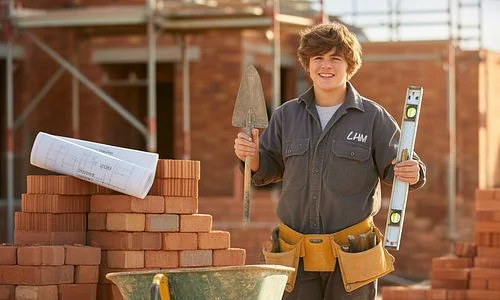
December 2025 has brought a surge of opportunity for construction labourers in Swansea, with employers across the region scrambling to fill positions on both residential and commercial building sites. If you're physically fit, reliable, and ready to work, this might be the perfect time to secure a well-paying construction role that could turn into long-term employment. The demand for general construction labourers has never been higher, and companies are offering competitive wages, immediate starts, and genuine career progression opportunities.
Understanding the Current Construction Labour Shortage in Swansea
Swansea's construction industry is experiencing unprecedented growth this December, driven by multiple factors that have created a perfect storm of opportunity for job seekers. The city has seen significant investment in infrastructure projects, residential housing developments, and commercial renovations throughout 2025. From the ongoing regeneration of the city centre to new housing estates popping up in areas like Clase, Sketty, and Morriston, there's simply more work than available workers.
What's causing this labour shortage? Several factors have contributed to the current situation. Brexit continues to impact the availability of workers from the EU, who traditionally made up a significant portion of the construction workforce. Additionally, many experienced workers left the industry during economic uncertainties in recent years and haven't returned. There's also been a retirement wave among older construction workers, creating gaps that younger workers are now being recruited to fill.
For job seekers, this shortage translates into leverage. Employers aren't just looking for warm bodies – they want reliable, hardworking individuals – but they're also more willing to train newcomers, offer better starting wages, and provide perks that weren't common a few years ago.
What Does a General Construction Labourer Actually Do?
Before diving into your job search, it's worth understanding what you'll actually be doing day-to-day. General construction labourers are the backbone of any building site. You'll be involved in virtually every phase of construction, from groundwork to finishing touches.
Your typical responsibilities might include:
Site Preparation and Groundwork: This involves clearing debris, digging trenches, preparing foundations, and ensuring the site is ready for construction to begin. It's physically demanding work that sets the stage for everything else.
Material Handling: You'll spend considerable time loading, unloading, and transporting materials around the site. This includes carrying bricks, timber, concrete, and various building supplies. Being able to lift heavy loads safely is essential.
Assisting Skilled Tradespeople: Labourers work alongside bricklayers, carpenters, electricians, and other specialists, handing them tools and materials, preparing work areas, and helping with tasks that require an extra pair of hands.
Concrete Work: Mixing, pouring, and finishing concrete is a common responsibility. You'll learn how to operate cement mixers, lay concrete properly, and ensure it sets correctly.
Demolition and Removal: Sometimes construction means tearing down before building up. You might be breaking down walls, removing old fixtures, or clearing out buildings scheduled for renovation.
Site Maintenance and Cleaning: Keeping the site safe and organized is crucial. You'll collect and dispose of waste, ensure walkways are clear, and maintain a tidy work environment that meets health and safety standards.
Equipment Operation: With proper training and certification, you might operate machinery like forklifts, dumpers, or small excavators. Many employers will provide this training once you're on board.
The work is undeniably physical. You'll be on your feet most of the day, working outdoors in all weather conditions, lifting heavy objects, and performing repetitive tasks. But it's also rewarding – there's genuine satisfaction in seeing a project come together and knowing you played a vital role in its completion.
Current Wage Expectations for Construction Labourers in Swansea
Let's talk money, because that's often the deciding factor when choosing a job. General construction labourers in Swansea can expect competitive wages, especially given the current labour shortage.
Entry-Level Positions: If you're new to construction with no previous experience, you're looking at starting wages between £12.50 and £14.00 per hour. This might not sound like a fortune, but it's decent pay for roles that often provide on-the-job training. Many employers are currently offering at the higher end of this range to attract workers.
Experienced Labourers: If you've got a year or two under your belt and can demonstrate reliability and competence, you're looking at £12.50 to £14.50 per hour. Some positions, particularly those requiring specific certifications like CSCS cards or machinery operation licenses, can push toward £15 per hour.
Specialized or Supervisory Roles: Labourers who've developed specialized skills or taken on supervisory responsibilities can earn £15 to £18 per hour or more. This might include leading small teams, managing materials, or having expertise in specific construction techniques.
Overtime Opportunities: Here's where construction work really pays off. Many sites need weekend work or extended hours to meet deadlines. Overtime typically pays time-and-a-half or even double time, meaning you could be earning £18 to £30 per hour for those extra shifts. Some labourers report their take-home pay nearly doubling during busy periods when overtime is abundant.
Beyond hourly wages, consider the additional benefits many employers are now offering to attract and retain workers:
- Travel allowances or mileage reimbursement if you're commuting to sites across Swansea and surrounding areas
- Provision of PPE (personal protective equipment) and work gear
- Paid training and certification courses
- Pension schemes and holiday pay for permanent positions
- Potential accommodation assistance for workers relocating to the area
When calculated annually, a construction labourer working full-time in Swansea can expect to earn between £21,000 and £30,000, with experienced workers potentially exceeding £35,000 when overtime is factored in. That's a solid living wage in a region where the cost of living remains more affordable than many UK cities.
Types of Construction Projects Currently Hiring in Swansea
December 2025 has brought diverse opportunities across Swansea's construction landscape. Understanding the different types of projects can help you target your job search toward work environments that suit your preferences and skills.
Residential Construction: New housing developments are sprouting across Swansea to meet demand for both affordable housing and private residential properties. These projects involve building homes from the ground up, including foundation work, framing, roofing, and finishing. Residential sites often have a community feel with smaller teams, and you'll see tangible progress quickly as houses take shape. Areas like Penllergaer, Felindre, and the outskirts toward Gower are seeing significant residential development.
Commercial Building Projects: Swansea's commercial sector is booming with new retail spaces, office buildings, and mixed-use developments. Commercial projects tend to be larger scale, with bigger teams and more specialized tasks. The Swansea Central regeneration project continues to drive commercial construction demand, along with developments in the SA1 waterfront area. These jobs often pay slightly more due to the complexity and scale involved.
Renovation and Refurbishment: Much of Swansea's building stock needs updating, creating constant demand for labourers on renovation projects. This work involves stripping out old interiors, repairing structures, and preparing buildings for modernization. Renovation work can be particularly interesting because every building presents unique challenges, and you're often working in established neighborhoods rather than muddy greenfield sites.
Infrastructure Projects: Road improvements, utility installations, and public space developments all need construction labourers. Infrastructure work tends to be more stable with longer project timelines and often comes with better benefits since many are government-contracted projects. The ongoing improvements to Swansea's transport infrastructure and public facilities continue to generate opportunities.
Industrial and Warehouse Construction: With the growth of logistics and distribution centers, there's increasing demand for labourers on industrial building projects. These sites tend to be fast-paced with tight deadlines but offer excellent overtime opportunities.
Each project type offers different experiences. Residential work might involve more variety but smaller teams. Commercial projects often have better facilities and more structured work schedules. Renovation work can be less weather-dependent since you're often working indoors. Infrastructure projects might offer the most job security with longer-term contracts.
Essential Requirements and Qualifications
The beauty of general construction labourer positions is that they're relatively accessible – you don't need a university degree or years of specialized training. However, there are certain requirements and qualifications that will significantly improve your chances of securing a position.
Physical Fitness: This isn't optional. You need to be genuinely fit and capable of performing physically demanding work for eight to ten hours daily. Expect to lift weights up to 25kg regularly, work in awkward positions, climb ladders and scaffolding, and be on your feet all day. If you have back problems, joint issues, or other physical limitations that could be aggravated by heavy labour, construction work might not be suitable.
CSCS Card: The Construction Skills Certification Scheme (CSCS) card is increasingly becoming a mandatory requirement for accessing building sites across the UK. The green CSCS Labourer card demonstrates that you have basic health and safety knowledge relevant to construction sites. Getting this card involves passing the Health, Safety and Environment test, which costs around £21 and can be booked at testing centers throughout Swansea. While some employers will hire you without this card and help you obtain it, having it already shows initiative and makes you immediately deployable.
Right to Work: You must have the legal right to work in the UK. Employers will verify this documentation before hiring, so ensure your passport, visa, or proof of settled status is in order.
Reliable Transportation: Many construction sites aren't easily accessible by public transport, especially when projects are in developing areas or start early in the morning. Having your own vehicle is highly advantageous, though some employers do provide transport from central pickup points or accommodate workers who use public transit.
Basic English Communication: You need to understand and follow safety instructions, communicate with supervisors and teammates, and read basic signage. Complete fluency isn't necessary, but functional workplace English is essential for safety reasons.
Previous Experience: While entry-level positions don't require experience, having any background in manual labour, warehouse work, landscaping, or similar physically demanding roles demonstrates your capability. If you've done construction work before, even informally or on personal projects, make sure to highlight this.
Useful Certifications: While not always required for general labourer positions, additional certifications can set you apart and qualify you for better-paying roles:
- First Aid at Work certification
- Manual Handling training
- Working at Heights certification
- Asbestos Awareness
- Abrasive Wheels training
- Forklift or other machinery operation licenses
Many employers will provide training for these certifications once you're hired, especially if they see you as a long-term asset. However, arriving with certifications already in hand demonstrates commitment and can lead to higher starting wages.
Personal Attributes: Beyond formal requirements, employers are looking for specific personal qualities:
- Reliability: Turning up on time, every time, is perhaps the most valued trait. Construction schedules are tight, and missing workers cause delays that cost money.
- Teamwork: Construction is collaborative work. You need to work well with diverse teams and follow instructions from supervisors and skilled tradespeople.
- Safety Consciousness: Understanding and following safety protocols protects you and your colleagues. Employers value workers who take safety seriously.
- Willingness to Learn: The best labourers become skilled tradespeople. Showing eagerness to learn new skills and take on responsibilities opens doors for advancement.
- Resilience: Construction work is challenging, sometimes uncomfortable, and occasionally frustrating. Mental toughness and a positive attitude matter.
How to Find and Apply for Construction Labourer Jobs in Swansea This December
With demand high and employers actively recruiting, finding opportunities isn't difficult – but standing out from other applicants requires strategy.
Online Job Platforms: Start with major job search websites like Indeed, Reed, Totaljobs, and CV-Library. Search for terms like "construction labourer Swansea," "building site worker," or "general labourer." Set up email alerts so you're notified immediately when new positions are posted. Speed matters – popular positions receive dozens of applications within hours.

Specialist Recruitment Agencies: Construction recruitment agencies specialize in matching workers with building companies. Agencies like Holt Recruitment, Advance TRS, Blueprintrecruit, and Meridian Business Support all operate in the Swansea area and regularly place construction labourers. Register with multiple agencies, complete their assessment processes, and maintain regular contact. Agency work can lead to permanent positions, and agencies often know about opportunities before they're publicly advertised.
Company Websites: Research construction companies operating in Swansea and check their careers pages directly. Major firms like Dawnus Construction (now part of Cwmni Egino), Andrew Scott Ltd, and national companies working on Swansea projects often post vacancies on their own sites before listing them elsewhere.
Local Facebook Groups: Join Swansea employment groups and construction-specific groups on Facebook. Many smaller contractors post opportunities directly to these groups, and they're excellent for networking with other workers who might know about openings.
Walk-Ins and Direct Contact: This old-school approach still works remarkably well in construction. If you see building sites around Swansea, note the company signage, find a supervisor, and politely inquire about opportunities. Having a few printed CVs ready to hand out can lead to on-the-spot interviews. This approach demonstrates initiative and gives employers a chance to assess your demeanor and communication skills immediately.
Networking: If you know anyone working in construction, let them know you're looking. Personal recommendations carry significant weight, and many positions are filled through word-of-mouth before formal advertisements go out.
Jobcentre Plus: Don't overlook this resource. The Swansea Jobcentre regularly works with local employers and may have information about positions or training schemes. They can also provide support with CV writing and interview preparation.
Application Tips: When applying, keep these strategies in mind:
- Tailor Your CV: Highlight physical fitness, any relevant experience (even if it's not construction-specific), certifications you hold, and your reliability. Keep it concise – one to two pages maximum.
- Write a Strong Cover Letter: Even for labourer positions, a brief cover letter expressing enthusiasm, confirming your availability for immediate start, and highlighting key attributes can distinguish you from applicants who just attach a generic CV.
- Respond Quickly: When you see a suitable position, apply immediately. Don't wait until evening or the next day – do it within the hour if possible.
- Be Available: Make sure your phone is on and check emails regularly. When employers call, be professional, enthusiastic, and flexible about interview times.
- Prepare for Informal Interviews: Construction interviews are often less formal than corporate roles, but that doesn't mean preparation isn't important. Be ready to discuss your fitness level, any relevant experience, your understanding of site safety, and your availability. Dress neatly but practically – you don't need a suit, but clean clothes and a tidy appearance matter.
- Ask Questions: Show interest by asking about the project you'd be working on, team size, typical working hours, training opportunities, and prospects for permanent employment if you're starting on a temporary contract.
What to Expect in Your First Few Weeks
You've landed the job – congratulations! Now here's what your initial period in construction labour will likely look like.
Induction and Safety Training: Your first day or two will involve site induction. You'll receive safety briefings, learn about site-specific hazards, understand emergency procedures, and get familiar with the layout. You'll be issued personal protective equipment: hard hat, high-visibility vest, safety boots (sometimes provided, sometimes you need your own), gloves, and potentially other gear depending on the site. Pay close attention during inductions – this information keeps you safe.
Starting Slow: Don't expect to be given the toughest assignments immediately. Good employers will ease you in, assigning you to work alongside experienced labourers or under direct supervision. You might start with simpler tasks like material handling, site cleaning, or assisting other workers before taking on more complex responsibilities.
Physical Adjustment: Even if you're reasonably fit, construction work uses muscles you didn't know you had. The first week or two will be tough. You'll be sore, tired, and possibly questioning your life choices. This is normal. Your body will adapt. Stay hydrated, get adequate rest, and don't be too proud to ask for proper lifting techniques to avoid injury.
Learning the Rhythm: Every site has its rhythm and culture. You'll learn when breaks happen, where facilities are located, how materials are organized, and who to go to with questions or problems. Observe how experienced workers operate, ask questions, and integrate yourself into the team.
Proving Reliability: Your first few weeks are essentially a probationary period, even if not formally designated as such. Employers are assessing whether you're reliable, safe, capable, and a good fit for their team. Show up on time (preferably a few minutes early), follow instructions, work diligently, and maintain a positive attitude. This period determines whether you'll be kept on long-term and considered for future opportunities.
Career Progression and Long-Term Opportunities
Starting as a general construction labourer doesn't mean you're stuck in that role forever. The construction industry offers clear pathways for advancement if you're willing to learn and develop your skills.
Specialization: As you gain experience, you might develop expertise in specific areas – formwork, concrete finishing, scaffold work, or site management. These specializations typically come with wage increases and more interesting work.
Apprenticeships: Many construction companies offer apprenticeship programs in trades like bricklaying, carpentry, plastering, plumbing, or electrical work. Starting as a labourer gives you insight into which trades interest you and gets your foot in the door with employers who might sponsor your training.
Supervisory Roles: Reliable, experienced labourers who demonstrate leadership qualities can progress to supervisor or foreman positions, coordinating teams of workers and liaising with project managers.
Plant Operation: Obtaining licenses to operate machinery like excavators, cranes, or specialized equipment opens up higher-paying roles that are typically less physically demanding than general labour.
Site Management: With additional qualifications in construction management, health and safety, or related fields (often pursued through evening courses or distance learning), there's potential to move into site management, project coordination, or other professional roles within construction companies.
The key is viewing your labourer position as a starting point rather than a destination. Take advantage of any training offered, observe skilled tradespeople at work, express interest in learning new skills, and maintain professionalism. Many successful construction business owners and site managers started their careers as general labourers.
Health, Safety, and Wellbeing on Construction Sites
Construction can be dangerous if proper safety protocols aren't followed. Understanding and prioritizing safety protects you and your colleagues.
Common Hazards: Construction sites present numerous risks including falls from height, moving vehicles and machinery, heavy falling objects, electrical hazards, hazardous substances like cement and solvents, manual handling injuries, and noise exposure. Proper training, appropriate PPE, and constant vigilance minimize these risks.
Your Safety Responsibilities: Safety isn't just management's job – you're responsible for your own safety and that of others around you. Always wear required PPE, report hazards or unsafe conditions immediately, follow all safety procedures even when they seem inconvenient, never take shortcuts that compromise safety, and speak up if you're asked to do something you haven't been trained for or that seems dangerous.
Physical Health: Protect your long-term health by learning proper lifting techniques, using mechanical aids when available, varying your tasks when possible to avoid repetitive strain, staying hydrated (especially important in both hot and cold weather), and addressing minor injuries or discomfort before they become serious problems.
Mental Wellbeing: The physical demands and sometimes stressful environment of construction sites can affect mental health. Don't hesitate to use employee assistance programs if your employer offers them, maintain work-life balance by ensuring adequate rest and recreation, and build relationships with colleagues – the camaraderie on construction sites is often a highlight of the work.
Understanding Employment Contracts and Workers' Rights
When you're hired, understanding the terms of your employment protects you and ensures you receive fair treatment.
Contract Types: You might be offered several types of contracts:
- Permanent Employment: Direct employment with a construction company, offering the most security, benefits like sick pay and holiday entitlement, and potential for long-term career development.
- Temporary or Fixed-Term Contracts: Employment for the duration of a specific project, which might last weeks or months. Less security but still entitled to pro-rata benefits.
- Agency Work: Employment through a recruitment agency that places you with various construction companies. Offers flexibility and variety but sometimes fewer benefits. After 12 weeks in the same role, agency workers are entitled to equal treatment as permanent employees.
- Self-Employment/CIS: Some labourers work as self-employed contractors under the Construction Industry Scheme (CIS). This involves greater responsibility for your own tax and National Insurance but offers flexibility and sometimes higher pay rates.
Your Rights: Regardless of contract type, you're entitled to:
- National Minimum Wage (currently £12.44 per hour for workers 21 and over as of April 2025)
- Paid holiday (minimum 5.6 weeks annually for full-time workers)
- Rest breaks
- Safe working conditions
- Protection from discrimination
- Correct tax and National Insurance deductions
- Payslips showing hours worked and deductions
Understanding Your Payslip: Construction pay can sometimes seem confusing, especially with overtime, deductions for taxes, and potential CIS deductions. Make sure you understand:
- Your hourly rate and how many hours you've been paid for
- Overtime rates and hours
- Tax deductions (PAYE or CIS)
- National Insurance contributions
- Any other deductions (pension, union fees if applicable)
If something doesn't look right, don't be intimidated about asking your employer or agency to explain. Payroll errors happen, and you have the right to be paid correctly.
The Future of Construction in Swansea
Looking beyond December 2025, what does the future hold for construction workers in Swansea? The outlook appears positive with several factors pointing toward continued demand.
Ongoing Development Projects: Swansea's transformation continues with multi-year projects in various stages. The regeneration of the city center, expansion of residential areas to accommodate population growth, and improvements to infrastructure all ensure continued construction activity well into 2026 and beyond.
Green Construction Initiatives: The push toward sustainable building practices and renewable energy creates new opportunities. Retrofitting existing buildings for better energy efficiency, installing solar panels, and constructing environmentally friendly new builds all require skilled labour.
Government Investment: Continued government investment in social housing, public facilities, and transport infrastructure provides stable, long-term employment opportunities in the construction sector.
Skills Shortage: The fundamental skills shortage that's creating opportunities today isn't going away quickly. Training new workers takes time, and demographic trends suggest construction will remain a worker's market for the foreseeable future.
For anyone entering construction now, there's genuine potential for stable, well-paid employment and career development. The December 2025 hiring surge isn't just a seasonal blip – it reflects fundamental demand that will continue.
Taking Action: Your Next Steps
If you're reading this and thinking construction labour might be right for you, here's your action plan:
Immediate Actions (This Week):
- Obtain or verify your CSCS card if you don't already have one
- Prepare or update your CV highlighting physical fitness and any relevant experience
- Register with at least three construction recruitment agencies in Swansea
- Set up job alerts on major employment websites for construction labourer positions
- Join local employment Facebook groups and start networking
Short-Term Actions (This Month):
- Apply to every suitable position you find – volume matters when job hunting
- Follow up on applications with phone calls where appropriate
- Visit active construction sites and inquire about opportunities
- Ensure you have appropriate work clothing and safety boots
- Research construction companies operating in Swansea and reach out directly
Long-Term Planning (Next Three Months):
- Once employed, prove your reliability and work ethic
- Express interest in additional training and certification opportunities
- Observe different trades and start thinking about specialization
- Build relationships with colleagues and supervisors
- Consider your long-term career goals within construction
The opportunities are there, especially this December 2025, as employers urgently need reliable, hardworking labourers for projects across Swansea. The construction industry offers honest work, fair pay, and genuine career prospects for those willing to put in the effort. If you're physically capable, reliable, and ready to work hard, there's quite literally never been a better time to start a construction career in Swansea.
Don't overthink it – if this sounds like something you could do, start applying today. Employers aren't looking for perfect candidates with years of experience; they're looking for strong, reliable workers who show up, work hard, and can be trained. That could be you.
Frequently Asked Questions (FAQs)
1. Do I need previous experience to get hired as a construction labourer in Swansea?
No, previous construction experience isn't required for entry-level general labourer positions. Many employers in Swansea are currently hiring complete beginners and providing on-the-job training. What matters most is physical fitness, reliability, and a willingness to learn. That said, any experience with manual labour – whether from warehouse work, landscaping, farm work, or even DIY projects – can be advantageous and should be mentioned in your application. If you've done physically demanding work before, you've demonstrated the capability to handle construction labour. Employers prioritize reliability and work ethic over experience for labourer roles, so emphasize your commitment, punctuality, and willingness to work hard. Many workers who started with zero experience have gone on to develop successful construction careers.
2. How quickly can I start working after applying for construction jobs?
In the current hiring environment, you can potentially start working within days of applying if you have the necessary documentation and certifications ready. Many construction companies in Swansea are offering immediate starts due to urgent labour needs. If you already have your CSCS card, right-to-work documentation, and can pass a basic health assessment, some employers will hire you on the spot after a brief interview. Agency placements can be particularly quick – you might register with an agency on Monday and be working on a site by Wednesday or Thursday. However, there may be slight delays if you need to complete site-specific inductions, wait for security clearances, or obtain your CSCS card. To ensure the fastest possible start, have all your documentation organized and ready, be flexible about which sites or projects you're willing to work on, and respond immediately when employers or agencies contact you. The December hiring surge means speed is essential – positions are being filled quickly.
3. What should I wear and bring on my first day at a construction site?
On your first day, wear appropriate work clothing that you don't mind getting dirty: durable trousers (jeans are fine, though many workers prefer work trousers with reinforced knees), a long-sleeved shirt or sweatshirt, and weather-appropriate layers since you'll be outdoors. Most importantly, you'll need safety boots with steel toecaps and ankle support – these are often required and may not be provided, so invest in a decent pair (expect to spend £30-60).
4. Can construction labourer work lead to permanent employment and career advancement?
Absolutely. Many construction labourers who start on temporary or agency contracts transition to permanent positions once they've proven themselves reliable and capable. Employers prefer retaining trained workers rather than constantly recruiting and training new people, so demonstrating reliability, good work ethic, and eagerness to learn often leads to permanent offers. Beyond securing permanent employment, construction offers clear career progression paths. You might specialize in specific labourer skills like formwork, concrete finishing, or scaffolding, which typically come with pay increases. Many labourers pursue apprenticeships in trades like carpentry, bricklaying, or plumbing – often sponsored by employers they've impressed during their time as labourers.
5. Is construction work safe, and what happens if I'm injured on the job?
Construction has historically been a high-risk industry, but modern safety standards, regulations, and employer practices have significantly improved safety outcomes. Reputable employers in Swansea take health and safety extremely seriously, conducting regular risk assessments, providing proper PPE, offering comprehensive safety training, and maintaining strict safety protocols. Your own attitude toward safety is equally important – always follow procedures, wear required equipment, report hazards, and never take shortcuts. Most construction workers complete entire careers without serious injury by following safety guidelines. However, accidents can happen.