




The Definitive Guide to Restaurant Staff Recruitment: Building Your Dream Team
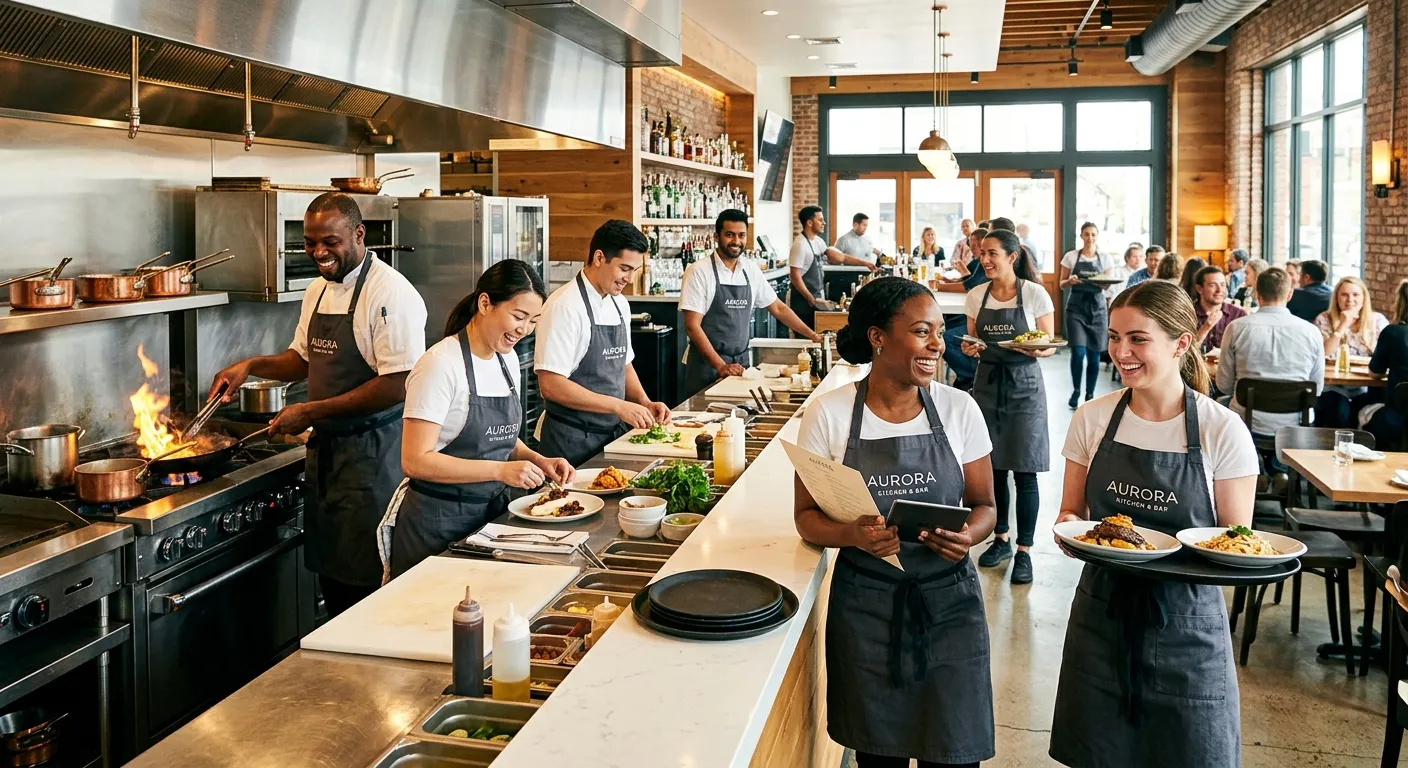
In the high-stakes, fast-paced world of hospitality, your team is your most valuable asset. Effective Restaurant Staff Recruitment is not just about filling vacancies; it's the strategic cornerstone of customer satisfaction, operational excellence, and ultimately, profitability. This comprehensive guide delves deep into modern hiring methodologies, from crafting irresistible job posts to mastering on-site recruitment management, providing you with the blueprint to attract, hire, and retain the industry's best talent.
Post Your Restaurant Job & Hire FastNavigating the Recruitment Landscape: A Multi-Category Overview
The recruitment needs of a fine-dining establishment differ vastly from those of a high-volume casual chain. Use this interactive guide to focus on your specific priority.
Front of House Recruitment Focus
This is your customer-facing powerhouse. Recruiting for roles like Servers, Bartenders, Hosts, and Sommeliers requires a keen eye for personality, poise, and product knowledge. The challenge lies in assessing soft skills during interviews and finding individuals who can maintain grace under pressure during a busy dinner rush. A proven strategy is to incorporate practical role-play scenarios into your hiring process. For high-volume or event-based needs, partnering with a specialized Hospitality Recruitment Agency can provide vetted, experienced candidates ready to hit the ground running, much like how a Construction Staffing Agency provides skilled tradespeople for project-based work.
- Key Roles: Wait Staff, Bartenders, Hosts, Food Runners, Sommeliers.
- Recruitment Priorities: Customer service aptitude, multitasking, sales ability, menu knowledge, teamwork.
- Vetting Tip: Conduct a"stage" or trial shift to observe candidates in a simulated service environment.
Back of House Recruitment Focus
The engine room of your operation. Hiring Chefs, Line Cooks, Kitchen Porters, and Prep Cooks demands a focus on technical skill, speed, consistency, and safety compliance. Certifications (like Food Hygiene) and practical cook-offs are essential assessment tools. The market for skilled kitchen staff is highly competitive. Leveraging a dedicated Kitchen Porter Recruitment Agency can quickly connect you with pre-screened talent, ensuring your kitchen doesn't miss a beat. This targeted approach mirrors the efficiency seen in sectors like construction, where agencies provide CSCS Labourers who are already safety-certified and site-ready.
- Key Roles: Head Chef, Sous Chef, Line Cook, Pastry Chef, Kitchen Porter.
- Recruitment Priorities: Culinary technique, time management, ability to work in high-heat/stress, hygiene standards.
- Vetting Tip: Require a practical skills test and verify all culinary certifications and employment history meticulously.
Management & Support Recruitment Focus
These roles ensure smooth operations, financial health, and a positive workplace culture. Recruiting Restaurant Managers, Assistant Managers, and Bookkeepers requires evaluating leadership, financial acumen, and conflict-resolution skills. Look for a proven track record in similar environments. For specialized support roles, such as cleaners or administrative staff, the recruitment process benefits from a broad talent network. Our expertise extends across sectors, ensuring we can find the right fit, whether you need a meticulous Housekeeper or a proactive Office Assistant.
- Key Roles: General Manager, Assistant Manager, Sommelier, Bookkeeper, HR Coordinator.
- Recruitment Priorities: Leadership, P&L management, staff scheduling, inventory control, customer complaint resolution.
- Vetting Tip: Use behavioral interview questions (e.g.,"Tell me about a time you handled a staff scheduling crisis") and check references thoroughly.
Core Benefits of a Strategic Recruitment Process
Moving beyond reactive hiring to a proactive Restaurant Staff Recruitment strategy delivers tangible, bottom-line benefits. Here’s how a structured approach pays dividends.
Superior Quality of Hire
A deliberate process involving skills testing, culture-fit interviews, and reference checks results in candidates who are not only skilled but also aligned with your restaurant's values and pace. This reduces early turnover and increases team cohesion.
Drastic Reduction in Time-to-Hire
With a clear process and potentially a dedicated recruitment partner, you can fill critical roles in days, not weeks. This is crucial for covering sudden departures or staffing up for seasonal rushes, preventing lost revenue from understaffed shifts.
Enhanced Employer Brand
A professional, respectful, and efficient hiring experience makes candidates advocates for your brand, whether they are hired or not. This builds a positive reputation in the local job market, making future Restaurant Staff Recruitment efforts easier and attracting higher-caliber applicants.
Pro-Tip: The Power of a Talent Pipeline
Don't recruit only when you have a vacancy. Continuously network, collect resumes from promising candidates you meet, and maintain a database. When a role opens, you have a shortlist ready to contact. This is a core part of effective on-site recruitment management – always be scouting.
Deep Dive: Mastering On-Site Recruitment Management
For multi-location restaurant groups or large flagship venues, managing recruitment across sites presents unique challenges. On-site recruitment management refers to the centralized or decentralized systems used to handle hiring needs directly at the location level while maintaining brand and compliance standards.
Key Components of Effective On-Site Management
1. Empowered Local Managers with Centralized Tools
General Managers often know their team's needs best. Empower them to initiate hiring but provide centralized tools: standardized job description templates, digital application portals, and interview scorecards. This ensures consistency while leveraging local insight. This principle is similar to how a national Construction Recruitment Specialist operates, providing local site managers with access to a national pool of vetted workers.
2. Streamlined Communication Channels
Establish clear lines of communication between on-site hiring managers and your central HR or recruitment support. Use dedicated channels (like a shared Slack channel or a ticketing system) to track vacancies, candidate progress, and approvals, preventing roles from falling through the cracks.
3. Compliance & Onboarding Oversight
While hiring can be local, compliance (right-to-work checks, contract generation, tax forms) and structured onboarding should be managed centrally or through a trusted partner. This mitigates legal risk and ensures every new hire has a uniform, positive first-day experience. We apply a similarly rigorous framework across all sectors, as detailed in our 7-Step Vetting Process.
See how rapid, managed staffing solutions work in practice to fill urgent shifts.
The Partnership Advantage: When to Use a Recruitment Agency
Managing all aspects of Restaurant Staff Recruitment internally can drain managerial time and resources. A specialist agency acts as a force multiplier. They provide:
- Immediate Access to Active Talent Pools: Agencies have databases of pre-interviewed, immediately available candidates seeking roles like Chefs, Kitchen Porters, and Servers.
- Expertise in Market Rates & Trends: They provide guidance on competitive salaries and benefits, helping you attract top talent.
- Handling of High-Volume or Niche Hiring: Perfect for opening a new location, staffing a large event, or finding a highly specialized role (e.g., a Master Sommelier).
- Risk Mitigation: They manage advertising, initial screening, and often guarantee replacements within a trial period, reducing your direct risk.
Whether you need permanent staff or flexible temp workers to cover holidays, the model is proven across industries, from Hospitality to Construction.
Actionable Recruitment Strategies & Modern Tactics
Beyond the basics, winning the war for talent requires innovation and a multi-channel approach.
Leverage Digital & Social Channels
Posting on generic job boards is no longer enough. Utilize:
- Instagram & TikTok: Showcase your restaurant's culture, team events, and"a day in the life" videos. This attracts candidates who want to be part of that environment.
- Industry-Specific Platforms: Use hospitality-focused job sites and LinkedIn to target professionals.
- Employee Referral Programs: Incentivize your current best staff to refer quality candidates. They understand the culture and are likely to refer people who will fit in.
Rethink the Interview Process
Move beyond the standard Q&A in a quiet office.
- Group Interviews for Culture Fit: For front-of-house roles, observe how candidates interact with each other in a group setting.
- Practical"Auditions": Have a chef candidate prepare a signature dish; have a server candidate take an order and recommend a wine pairing.
- Involve the Team: Let potential peers meet final candidates and provide feedback. This increases buy-in and helps assess team fit.
Pro-Tip: Sell the Experience, Not Just the Job
In your job adverts and interviews, emphasize what makes your restaurant a great place to work: career progression paths, staff meals, team outings, flexible scheduling, or training opportunities. In a competitive market, the intangibles often seal the deal.
Frequently Asked Questions (FAQ)
Quick answers to common questions about Restaurant Staff Recruitment and on-site recruitment management.
The timeline varies significantly. For an entry-level role using a fast-track agency process, it can be as quick as 48-72 hours. For a managerial or specialized chef role involving multiple interview rounds and practical tests, it can take 2-4 weeks. Having a clear, efficient process and leveraging a partner like a Top Temp Agency can drastically compress this timeline for urgent needs.
Key red flags include: unexplained gaps in employment history, negativity about previous employers, lack of specific examples when answering behavioral questions, poor punctuality for interviews, and an inability to articulate basic knowledge about your restaurant (if they haven't done minimal research). In the kitchen, a refusal or inability to perform a basic skills test is a major warning sign.
Retention starts with the hiring process—hiring for culture fit is crucial. Post-hire, focus on clear communication, fair and competitive compensation, recognition for good work, opportunities for cross-training and advancement, and a respectful work environment. Regularly check in with staff. High turnover often points to management or cultural issues, not the quality of your Restaurant Staff Recruitment.
It depends on your needs. Permanent staff provide stability and deep institutional knowledge. Temporary or temp-to-perm staff offer flexibility for seasonal peaks, special events, covering maternity/sick leave, or as a"try before you buy" period. Many restaurants use a hybrid model, with a core permanent team supplemented by temporary staff during busy periods. Explore your options on our Temp Employment page.
Ready to Transform Your Restaurant Staff Recruitment?
Stop struggling with vacancies and high turnover. Partner with experts who understand the urgency and nuance of hospitality hiring. From on-site recruitment management for multi-location groups to filling a single critical chef role, we provide the solutions you need to build a winning team.
Quick Placement – Your strategic partner for hiring staff across the UK, from London hospitality to nationwide support.
Case Study: From High Turnover to a Stable, Award-Winning Team
Theory is one thing, but real-world results prove the value of a strategic approach. Consider the journey of"The Oak & Vine," a 120-cover gastropub in Manchester struggling with 70% annual front-of-house turnover and constant kitchen shortages.
The Problem
- Reactive hiring led to poor culture fits.
- Managers spent 15+ hours/week on ads and screening.
- New hires lacked basic wine knowledge, slowing service.
- Kitchen was consistently two porters short, overworking chefs.
The Strategic Shift
- Implemented a structured on-site recruitment management checklist for the GM.
- Partnered with a specialist agency for all kitchen porter and commis chef roles.
- Created a mandatory 3-day"service fundamentals" training for all new FOH hires.
- Launched an employee referral program with a £500 bonus.
The Results (12 Months Later)
- Front-of-house turnover dropped to 22%.
- Managerial time spent on hiring reduced by 80%.
- Customer satisfaction scores increased by 34%.
- Won"Best Team in Hospitality" at local business awards.
This transformation underscores a critical point: investment in your recruitment process is an investment in operational excellence and your brand's reputation. The initial time spent systematizing Restaurant Staff Recruitment paid massive dividends in saved management hours, reduced training costs, and increased revenue from smoother service and happier customers.
The Financial Equation: Cost of a Bad Hire vs. Investment in Good Recruitment
Many restaurateurs see recruitment as an expense. In reality, a poor hiring decision is far more costly, while a robust process is a revenue-protecting investment. Let's break down the numbers.
The Tangible & Hidden Costs of a Failed Hire
For a mid-level server or line cook who leaves or is dismissed within 90 days, the costs extend far beyond a wasted salary.
| Cost Category | Estimated Cost (UK Average) | Impact |
|---|---|---|
| Recruitment Advertising & Admin | £200 - £500 | Direct outlay for job boards, manager's time. |
| Onboarding & Training Hours | £1,000+ (20.40 hours) | Trainer's wages, materials, shadow shifts. |
| Lost Productivity & Errors | £1,500+ | Slow service, incorrect orders, waste. |
| Cultural & Morale Damage | Immeasurable but significant | Disrupts team dynamic, increases others' workload. |
Total Potential Cost: £2,700 - £3,000+ per failed hire. Now, consider that cost against the fee for a specialist agency that guarantees a qualified, vetted candidate. The return on investment for getting it right the first time becomes starkly clear.
Budgeting for Recruitment Success
Treat recruitment as a strategic line item, not an ad-hoc crisis fund.
- Allocate for Technology: Budget for an Applicant Tracking System (ATS) or premium job board slots. These tools automate screening and widen your net.
- Invest in Employer Branding: Dedicate a small marketing budget to creating"careers" content for social media. Showcase team awards, staff testimonials, and behind-the-scenes culture.
- Factor in Partnership Fees: The cost of using a Hospitality Recruitment Agency should be weighed against the managerial time reclaimed and the risk mitigation provided. For niche or senior roles, their market expertise often pays for itself.
Future-Proofing: The Next Trends in Restaurant Staff Recruitment
The hospitality labour market is evolving rapidly. Staying ahead requires awareness of emerging trends that will shape Restaurant Staff Recruitment in the coming years.
Data-Driven Hiring
Moving beyond gut feeling. Expect wider use of data analytics to identify the traits of your most successful, longest-tenured employees. Recruitment software can then score candidates against this"success profile." This could mean prioritising applicants with specific previous employer types, or certain soft skill indicators from video interview analysis, leading to more predictive and successful hires.
Skills-Based Over Credential-Based Hiring
Formal culinary school degrees will remain valuable, but there will be a greater focus on demonstrable skills. Can the candidate properly fabricate a chicken? Can they upsell a special? This opens your talent pool to ambitious, self-taught individuals with proven ability. Your on-site recruitment management processes must adapt to include robust, fair skills assessments for all levels.
The Rise of the Flexible Workforce & Internal Mobility
Two interconnected trends will dominate. First, more professionals seek flexible, project-based, or part-time work. Building a reliable pool of temporary staff for peak times will be a core competency, much like in construction where labour needs fluctuate.
Second, forward-thinking restaurants will prioritise internal mobility. This means creating clear pathways for a dishwasher to become a prep cook, or a server to become a shift supervisor. Promoting from within is a powerful recruitment and retention tool; it gives current staff a reason to stay and makes your establishment more attractive to external candidates who see a career, not just a job.
Your Immediate Next Steps: A 7-Day Recruitment Audit
Knowledge is power, but action creates results. Use this one-week audit to assess and upgrade your current Restaurant Staff Recruitment processes.
Day 1-2: Document Your Current Process
Map out every step from identifying a vacancy to a new hire's first day. How many touchpoints are there? Where do delays typically occur? Be brutally honest about time spent.
Day recommended: Audit Your Employer Brand
Search for your restaurant on Glassdoor and Indeed. What do reviews say about working there? Do your social media channels reflect a great workplace? Ask your current staff anonymously:"What would you tell a friend about applying to work here?"
Day 5-6: Analyse One Recent Failed Hire
Pick a recent departure (within 90 days). Trace back through their hiring and onboarding. At which point did the mismatch occur? Was it a skills gap missed in the interview? A culture misfit? Use this as a learning case to tighten one specific part of your process.
Day 7: Implement One Improvement
Based on your audit, choose one actionable upgrade. This could be rewriting your core job descriptions, setting up an employee referral scheme, or scheduling an introductory call with a recruitment specialist to explore partnership options for your hardest-to-fill roles. Start small, but start now.
Building a dream team is a continuous process, not a one-off event. By systematizing Restaurant Staff Recruitment and mastering on-site recruitment management, you turn a perennial challenge into a sustainable competitive advantage.