




Quick Placement Bricklayer Jobs in Reading : Skilled Tradespeople Required for Residential and Commercial Building Projects with Competitive Rates

The construction industry in Reading is experiencing unprecedented growth, and there's never been a better time for skilled bricklayers to explore lucrative opportunities in this thriving Berkshire town. With numerous residential and commercial projects breaking ground across the region, the demand for experienced bricklayers has skyrocketed, creating a wealth of quick placement opportunities for tradespeople ready to put their skills to work.
The Booming Construction Landscape in Reading
Reading's construction sector is flourishing, driven by significant urban development initiatives and population growth. The town's strategic location along the M4 corridor, excellent transport links to London, and status as a major business hub have made it a hotspot for both residential and commercial construction projects. From modern apartment complexes to cutting-edge office buildings, bricklayers are finding themselves at the heart of transforming Reading's skyline.
What makes this particularly exciting for skilled tradespeople is that these aren't just long-term projects that'll tie you down for years. Many construction companies and recruitment agencies are offering quick placement positions—meaning you can get on-site fast, start earning competitive rates, and potentially move between projects to maximize your income and experience.
Why Bricklayers Are in High Demand
The shortage of skilled bricklayers isn't unique to Reading, but it's particularly acute here. Several factors contribute to this demand . First, there's been a generational gap in the trades, with fewer young people entering apprenticeships over the past decade. Second, Brexit has impacted the availability of European tradespeople who previously supplemented the UK workforce. Third, Reading's specific construction boom means projects are competing for the same pool of talent.
This supply-demand imbalance works in your favor. Employers are willing to offer competitive rates, flexible working arrangements, and quick starts to secure skilled bricklayers. If you've got solid experience laying bricks, working with different bond patterns, and can read construction drawings, you're essentially holding a golden ticket in today's Reading job market.
Types of Projects Available
One of the advantages of working as a bricklayer in Reading right now is the sheer variety of projects on offer. You're not limited to just one type of work, which keeps things interesting and helps you build a diverse portfolio of experience.
Residential Projects include everything from large-scale housing developments on the outskirts of town to bespoke luxury homes in established neighborhoods. You might find yourself working on townhouse complexes, detached properties, or refurbishment projects that require matching existing brickwork. These residential projects often need bricklayers who can work efficiently while maintaining high aesthetic standards, as homeowners and developers are particular about the finish.
Commercial Buildings represent another significant chunk of available work. Reading's business district continues to expand, with new office buildings, retail spaces, and mixed-use developments constantly under construction. Commercial work often comes with tighter deadlines but can offer higher rates, especially if you're comfortable working on larger-scale operations with bigger teams.
Infrastructure and Public Projects also require bricklaying expertise. This might include educational facilities, healthcare buildings, or public amenities. These projects tend to be more stable with longer timelines, though quick placement opportunities arise when contractors need to ramp up teams to meet milestone deadlines.
What "Quick Placement" Actually Means
Let's break down what we mean by quick placement, because it's different from the traditional job application process you might be used to. In the construction industry, particularly for in-demand trades like bricklaying, quick placement refers to a streamlined hiring process designed to get you on-site as rapidly as possible.
Typically, once you've submitted your CV or registered with a recruitment agency, you could be working within days rather than weeks. Some agencies even offer same-day placements if you've got all your paperwork in order and the right qualifications. This fast-track approach benefits both you and the employer—you start earning immediately, and they fill critical skill gaps without project delays.
The trade-off is that quick placements often start as temporary or contract positions rather than permanent roles. However, don't let that deter you. Many bricklayers find these arrangements ideal for testing out different companies and project types. Plus, it's not uncommon for temporary placements to transition into permanent positions if you prove yourself valuable on-site.
Competitive Rates: What You Can Expect to Earn
Money talks, and the rates for bricklayers in Reading are genuinely competitive right now. Obviously, what you'll earn depends on your experience level, the specific project, and whether you're working through an agency or directly for a contractor.
As a general ballpark, experienced bricklayers in Reading can expect rates ranging from £18 to £25 per hour for standard day work. If you've got specialized skills—like heritage restoration, advanced decorative brickwork, or supervising capabilities—you might command even higher rates, potentially reaching £28 to £35 per hour.
For those working on a price basis (getting paid per thousand bricks laid), rates typically fall between £400 and £600 per thousand, depending on the complexity of the work and site conditions. If you're fast and efficient, price work can significantly boost your earnings compared to hourly rates.
Don't forget about overtime opportunities either. Many projects operate extended hours or weekend work to meet deadlines, with overtime often paid at time-and-a-half or even double time. Some bricklayers working in Reading during peak construction seasons report taking home £800 to £1,200 per week, or even more during particularly busy periods.
Essential Skills and Qualifications
While demand is high, employers still need assurance that you can deliver quality work safely and efficiently. Here's what most quick placement opportunities will require:
NVQ Level 2 in Bricklaying (or equivalent) is often the baseline qualification employers look for. If you've got an NVQ Level 3, even better—it demonstrates advanced competency and may open doors to supervisory roles or more complex projects.
CSCS Card is non-negotiable for most construction sites in Reading. If your card has expired or you don't have one, getting it sorted should be your first priority. The good news is that obtaining a CSCS card is relatively straightforward if you've got the relevant qualifications.
Practical Experience counts for a lot. Employers want to see that you've worked on similar projects before, whether that's residential new builds, commercial structures, or renovation work. Being able to demonstrate experience with different brick types, bond patterns, and mortar mixes will make you more attractive to potential employers.
Physical Fitness might seem obvious, but bricklaying is demanding work. You'll be lifting heavy materials, working in various weather conditions, and spending long hours on your feet. Employers appreciate tradespeople who can maintain consistent productivity throughout the day.
Reliability and Communication are soft skills that shouldn't be underestimated. Construction projects run on tight schedules, so showing up on time, communicating effectively with team members, and following health and safety protocols will set you apart from less professional workers.
How to Find Quick Placement Opportunities
Getting connected with these opportunities is easier than you might think, especially with Reading's active construction recruitment market.
Specialist Construction Recruitment Agencies are your best bet for quick placements. These agencies maintain relationships with contractors across Reading and often hear about opportunities before they're publicly advertised. Register with multiple agencies to maximize your options. Some of the well-known names operating in the area specialize specifically in trades like bricklaying.
Direct Applications to Construction Companies can also work, particularly with smaller to medium-sized firms that prefer handling recruitment in-house. Research which companies are active on construction sites around Reading and reach out directly with your CV. Sometimes a proactive approach gets you in front of decision-makers faster than going through formal channels.
Online Job Boards list bricklaying positions regularly. Sites dedicated to construction jobs often have dedicated sections for Reading and the surrounding areas. Set up job alerts so you're notified immediately when relevant positions are posted.
Networking remains incredibly valuable in the construction industry. If you've worked in Reading or the wider Berkshire area before, maintain those contacts. Former colleagues, site managers, and even other bricklayers can tip you off about upcoming opportunities before they're widely advertised.
Social Media and Trade Groups have become surprisingly useful for finding work. Facebook groups dedicated to construction jobs in the Thames Valley region often feature posts from contractors looking for immediate starts. LinkedIn can also connect you with recruitment consultants and hiring managers.
Navigating the Recruitment Process
Once you've found opportunities that interest you, the recruitment process for quick placements is typically streamlined but still requires some preparation on your part.
First, you'll want your CV updated and ready to go . Highlight relevant bricklaying experience, certifications, and notable projects you've worked on. Keep it concise—two pages maximum—focusing on information that demonstrates your capability to jump onto a project and contribute immediately.
Your references should be easily contactable. Ideally, have at least two references from recent construction work—site managers or contractors who can vouch for your skills, reliability, and work ethic. Give them a heads-up that they might be contacted, so they're prepared to provide positive feedback.
Documentation needs to be in order before you can start. This includes your CSCS card, proof of qualifications, right-to-work documentation, and possibly trade references. Some agencies will also require proof of address and may conduct basic background checks. Having everything organized in a folder (physical or digital) means you can provide whatever's needed without delay.
The initial conversation with a recruiter or hiring manager usually happens quickly—often a phone call where they'll assess your experience level, availability, and salary expectations. Be honest about your capabilities and what you're looking for. This isn't the time to oversell skills you don't have; construction work quickly reveals any gaps between what you claimed and what you can deliver.
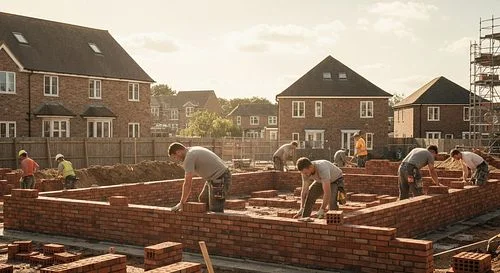
Some positions might require a brief site visit or trial period . Don't be put off by this—it's fairly standard and gives both you and the employer a chance to ensure it's a good fit. Come prepared to work, bring your tools, and demonstrate your professionalism.
What to Expect on Your First Day
Quick placement positions move fast, so you might find yourself starting work within days of your initial contact. Here's what typically happens on day one.
You'll receive site induction training , which covers health and safety protocols specific to that project. Even if you've worked on construction sites for years, every site has unique hazards and procedures. Pay attention during induction—it's not just box-ticking, it's about keeping you and your colleagues safe.
You'll be introduced to your team and shown where you'll be working. Take time to meet the site manager, foreman, and other bricklayers you'll be working alongside. Building good relationships early makes the job more enjoyable and can lead to future opportunities.
Materials and equipment will be pointed out—where to find bricks, mortar, mixing stations, and tools. If you're using your own tools, make sure they're clearly marked with your name. Sites can get busy, and tools have a habit of walking off if they're not identified.
The work briefing will outline what's expected of you—whether you're working on foundations, load-bearing walls, facing work, or something else. Don't hesitate to ask questions if anything isn't clear. It's better to clarify expectations upfront than make costly mistakes later.
Most importantly, demonstrate your competence early . First impressions matter in construction. Work efficiently, maintain good quality, follow safety protocols, and show that you're a team player. Those first few days often determine whether a temporary placement becomes a longer-term arrangement.
Balancing Multiple Projects and Agencies
One advantage of quick placement work is flexibility . You're not necessarily tied to one employer, and many bricklayers juggle relationships with multiple agencies and contractors to maximize their opportunities and earning potential.
However, this requires good organization. Keep track of which agencies you're registered with and what opportunities each is offering. Be upfront about your availability—if you commit to a project, follow through. The construction community in Reading is smaller than you might think, and reputation matters. Burning bridges by accepting work then not showing up will quickly limit your future options.
Some bricklayers prefer to establish a primary relationship with one trusted agency or contractor while keeping other options open for gaps between projects. Others adopt a more freelance approach, moving between different sites and employers based on rates and project appeal. There's no single right answer—it depends on your personal preferences regarding stability versus variety.
Long-term Career Prospects
While we're focusing on quick placement opportunities , it's worth considering how these positions can fit into your broader career trajectory. The Reading construction market offers more than just short-term gigs.
Many bricklayers use quick placements as a pathway to permanent positions . Once you've proven yourself reliable and skilled, contractors often prefer to offer you ongoing work rather than repeatedly recruiting new people. If you find a company and project type you enjoy, expressing interest in longer-term opportunities can lead to permanent employment with benefits like sick pay, holiday pay, and pension contributions.
There's also potential for career progression . Experienced bricklayers can move into supervisory roles, becoming gang leaders or site foremen. This typically comes with increased responsibility but also higher pay and the chance to develop management skills. Some bricklayers eventually start their own subcontracting businesses, hiring other tradespeople and tendering for projects independently.
Continuing professional development opportunities exist too. Specialized training in areas like heritage restoration, advanced decorative brickwork, or sustainable construction methods can differentiate you from other bricklayers and command premium rates. Some of the larger contractors in Reading offer training opportunities to their workers, which can be worth more than a slightly higher hourly rate elsewhere.
The Practical Side: Working Conditions and Considerations
Let's be realistic about what working as a bricklayer in Reading actually involves day-to-day. It's rewarding work, but it comes with challenges.
Weather is a significant factor. British weather means you'll sometimes work in rain, cold, wind, or heat. Most sites provide some shelter, and work typically stops in genuinely dangerous conditions, but you'll need appropriate clothing and a resilient attitude toward working outdoors year-round.
Physical demands are substantial. You're lifting, bending, reaching, and working in awkward positions. Taking care of your body through proper lifting techniques, regular breaks, and maintaining fitness outside of work hours helps sustain a long career in the trade.
Travel around Reading and potentially to nearby areas might be necessary depending on project locations. Factor in commuting time and costs when evaluating job offers. Some positions might include travel allowances, while others expect you to cover your own transportation.
Site facilities vary considerably. Larger commercial projects typically have better amenities—clean welfare facilities, secure tool storage, and canteen areas. Smaller residential sites might be more basic. Ask about site facilities during the recruitment process if it matters to you.
Hours can be long and sometimes irregular. Standard construction hours might be 7:30 AM to 5:00 PM, but projects with tight deadlines might require earlier starts, later finishes, or weekend work. The overtime pay is good, but make sure you're comfortable with the schedule before committing.
Making Yourself Stand Out
Given the high demand for bricklayers, you might wonder if you need to do anything special to secure the best opportunities. While positions are plentiful, the most attractive jobs—those with the best rates, conditions, and progression potential—go to bricklayers who demonstrate professionalism beyond just technical skill.
Maintaining high-quality work is fundamental. Speed is important, but not at the expense of quality. Employers value bricklayers who consistently produce neat, accurate work that doesn't require remediation.
Reliability cannot be overstated. Showing up on time, every time, ready to work makes you invaluable. Construction projects depend on coordination between multiple trades, and your absence can have knock-on effects across the site.
Positive attitude and teamwork make a real difference. Construction sites can be stressful environments with tight deadlines and unexpected challenges. Bricklayers who stay calm, help colleagues when needed, and maintain a professional demeanor are remembered and recommended for future work.
Continuous improvement shows ambition. Stay current with new techniques, materials, and regulations in the construction industry. Attending short courses or obtaining additional certifications demonstrates commitment to your craft.
Communication skills help too. Being able to understand instructions clearly, raise concerns appropriately, and coordinate with other trades prevents problems and shows professional maturity.
Health, Safety, and Wellbeing
Construction remains one of the UK's most hazardous industries, so taking health and safety seriously isn't optional—it's essential for your wellbeing and career longevity.
Every site you work on should have clear safety protocols , including mandatory PPE (Personal Protective Equipment) requirements. At minimum, this means hard hat, high-visibility clothing, steel-toe boots, and safety glasses. Some sites require additional protection like gloves or dust masks depending on the work.
Manual handling is a major cause of injury among bricklayers. Learn and consistently use proper lifting techniques. If something is too heavy or awkwardly positioned, ask for help or use mechanical assistance. A back injury can end your career, so it's worth the extra few minutes to handle materials safely.
Working at height introduces additional risks. If you're working on scaffolding, ensure it's properly erected and maintained. Use guardrails, toe boards, and safety harnesses where appropriate. Never take shortcuts that compromise your safety.
Dust and respiratory hazards from cutting bricks and working with cement require attention. Use wet cutting methods when possible and wear appropriate respiratory protection. Occupational lung diseases develop over years of exposure, so protecting yourself now prevents serious health issues later.
Mental health and wellbeing deserve consideration too. The physical demands, weather conditions, and job insecurity inherent in construction work can take a toll. The construction industry is becoming more aware of mental health issues, and support resources are increasingly available. Don't hesitate to reach out if you're struggling—organizations like the Lighthouse Construction Industry Charity offer confidential support specifically for construction workers.
Understanding Your Employment Rights
Whether you're working through an agency or directly for a contractor on a quick placement basis, you have employment rights that protect you.
Pay and contracts should be clear from the outset. Make sure you understand whether you're paid hourly or by output, when payment occurs (weekly or monthly), and how overtime is calculated. Get everything in writing—verbal agreements can lead to disputes.
Holiday entitlement applies even for temporary workers. Agency workers and contractors are entitled to statutory holiday pay, calculated based on your average earnings. Make sure this is being accrued and paid correctly.
Rest breaks are legally mandated. You're entitled to breaks during the working day and time off between shifts. Don't let yourself be pressured into working through breaks or excessive hours that compromise safety.
Health and safety is the employer's responsibility. If you identify hazards or unsafe practices, you have the right to raise concerns without fear of repercussion. In fact, you have a legal duty to report safety issues.
Discrimination and fair treatment protections apply on construction sites just as in any workplace. You should be treated fairly regardless of age, gender, ethnicity, or other protected characteristics.
If you encounter problems with payment, working conditions, or treatment, agencies like ACAS (Advisory, Conciliation and Arbitration Service) can provide free advice on your rights and options.
The Future of Construction in Reading
Looking ahead, Reading's construction outlook remains positive, which bodes well for bricklayers seeking stable, well-paid work in the region.
Several major development projects are in the pipeline or early stages, including residential developments, commercial centers, and infrastructure improvements. Reading's status as a technology and business hub means continued investment in office space and housing to support a growing professional population.
Sustainable construction is becoming increasingly important, with more projects incorporating environmental considerations. Bricklayers who develop knowledge of sustainable building techniques, energy-efficient construction methods, and green building materials will find themselves well-positioned for future opportunities.
Government housing initiatives aimed at addressing the UK's housing shortage mean continued demand for residential construction, particularly affordable housing and social housing projects. These government-backed schemes provide stability and volume work for tradespeople.
The skills gap in construction isn't going away anytime soon. Despite efforts to recruit and train new bricklayers, demand continues to outpace supply. This means the favorable conditions for skilled tradespeople—competitive rates, quick placements, and job choice—are likely to persist for years to come.
Frequently Asked Questions (FAQs) About Bricklayer Jobs in Reading
1. What qualifications do I need to be a bricklayer in Reading?
While some entry-level roles might accept apprentices or those with informal experience, most quick placement and competitive-paying jobs will require a minimum of an NVQ Level 2 in Trowel Occupations (Bricklaying) . You will also almost certainly need a valid CSCS Card to work on any construction site in the UK. Many employers also highly value several years of proven on-site experience, showing practical capability alongside formal qualifications.
2. What kind of projects can I expect to work on in Reading?
Reading offers a very diverse range of projects! You can expect opportunities in both residential building (new build housing estates, bespoke homes, extensions, renovations, garden walls) and commercial building (office blocks, retail units, schools, hospitals, leisure facilities, and some infrastructure work). This variety allows bricklayers to gain broad experience or specialise in areas they enjoy most, from intricate domestic touches to large-scale commercial structures.
3. What are the typical pay rates for bricklayers in Reading?
Pay rates in Reading are highly competitive due to strong demand and its South East location.
- Employed (PAYE): An experienced bricklayer might earn £30,000 - £45,000+ per year , including potential overtime, offering stability and benefits.
- Self-Employed (CIS): Daily rates are common, ranging from £180 - £250 per day for experienced bricklayers, and £250 - £350+ per day for highly skilled or specialist individuals. Hourly rates for CIS can be £22 - £35+ . Rates depend on experience, project complexity, and whether you work directly or via an agency, giving you flexibility in how you earn.
4. Is there a demand for bricklayers in Reading right now?
Absolutely, yes! Reading is currently experiencing a significant construction boom, with ongoing residential and commercial developments across the town and surrounding areas. There's a recognised skills gap in the construction trades across the South East, meaning qualified and experienced bricklayers are in very high demand. This leads to numerous "quick placement" opportunities and strong job security for those with the right skills and attitude.