




Recruit Berlin: Your Ultimate Guide to Permanent Staffing Success in a Dynamic Market
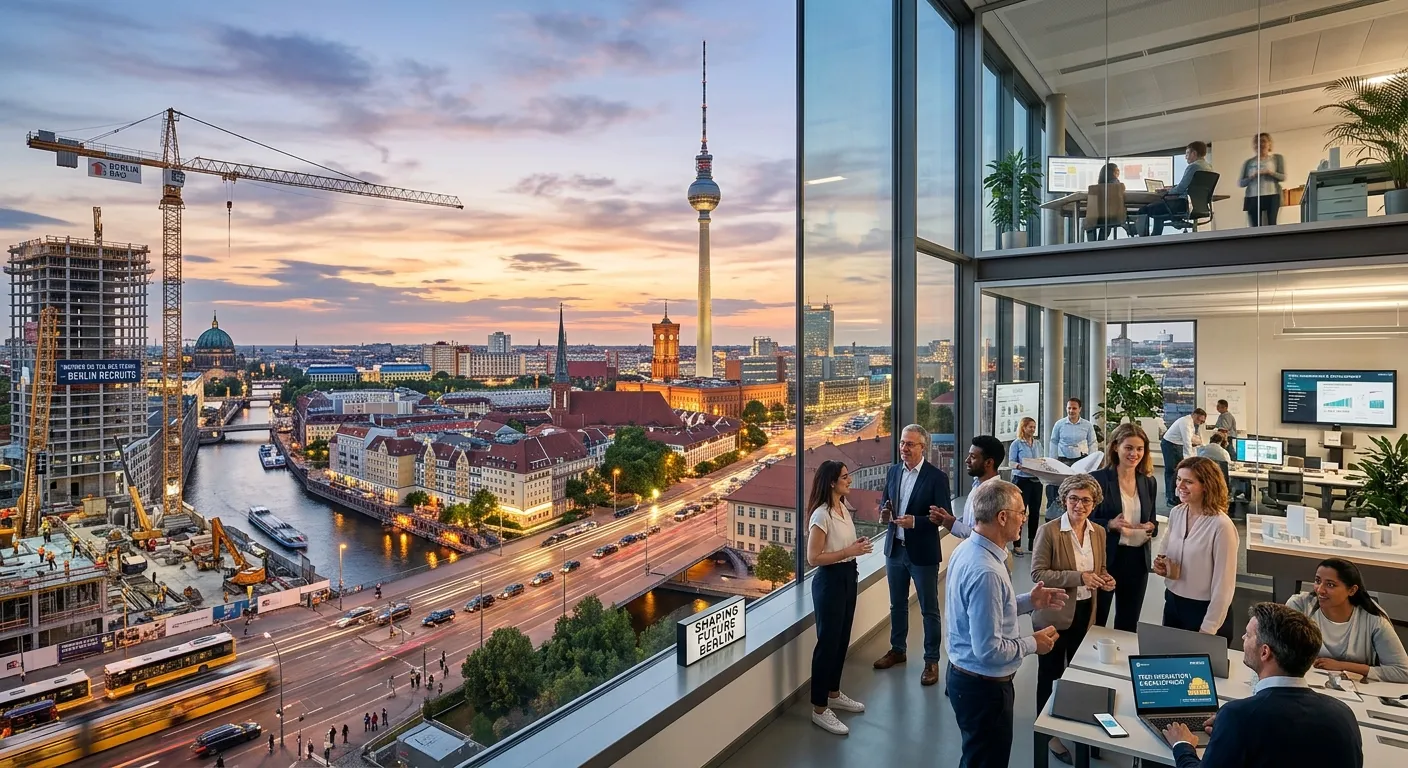
Navigating the vibrant and competitive talent landscape of Berlin requires a strategic, informed approach. This comprehensive guide demystifies the process to Recruit Berlin talent effectively, exploring the core principles of permanent staffing and providing actionable insights to build a robust, future-proof workforce for your business.
What Is Permanent Staffing? The Foundation of Growth
Before diving into the Berlin-specific landscape, it's crucial to understand the cornerstone of long-term hiring. What Is Permanent Staffing? It is the strategic process of hiring employees for long-term, ongoing roles within a company, as opposed to temporary or contract positions. This model focuses on cultural fit, career development, and deep integration into the company's core mission. It’s about investing in individuals who will drive innovation, uphold company values, and contribute to sustainable growth over years. In a city like Berlin, where startup agility meets established industrial prowess, getting permanent staffing right is not just an HR task—it's a critical business strategy.
Pro-Tip: The Berlin Mindset
Berlin attracts a unique blend of talent: highly ambitious, internationally-minded, and value-driven professionals. A successful permanent hire here often prioritizes project impact, company culture, and work-life balance alongside competitive remuneration. Tailoring your value proposition to this mindset is key.
Navigating Berlin's Recruitment Ecosystem: A Multi-Sector Overview
Berlin's Thriving Talent Hubs
Berlin's economy is a multifaceted engine. To Recruit Berlin effectively, you must understand its core sectors:
- Tech & Startups: Europe's Silicon Alley, hungry for software developers, data scientists, product managers, and UX/UI designers.
- Creative & Media: A global hub for artists, designers, marketers, filmmakers, and content creators drawn to the city's open culture.
- Life Sciences & Healthcare: Home to leading research institutions and biotech firms, requiring specialised scientists, researchers, and healthcare assistant professionals.
- Manufacturing & Logistics: A strong industrial base with demand for skilled engineers, supply chain experts, and logistics managers.
- Construction & Trades: With constant urban development, there is sustained need for project managers, skilled carpenters, and kitchen fitters, much like the demand seen in UK markets we serve.
The Strategic Hiring Pipeline
A streamlined process is non-negotiable in a fast-paced market. The journey to secure permanent staff typically involves:
- Workforce Planning: Aligning hiring needs with long-term business goals.
- Employer Branding: Crafting a compelling narrative about your company's mission and culture to attract passive candidates.
- Sourcing & Attraction: Utilizing platforms like LinkedIn, Xing, niche job boards, and recruitment agencies to find talent.
- Rigorous Screening: Assessing skills, experience, and cultural fit through interviews, technical tests, and references. For insight into thorough vetting, see our 7-Step Vetting Process.
- Offer & Onboarding: Presenting a competitive package and ensuring a smooth integration into the team.
Overcoming Berlin-Specific Hurdles
Despite its appeal, recruiting in Berlin presents unique challenges: intense competition for top talent, high expectations for flexibility and benefits, complex immigration procedures for non-EU candidates, and salary transparency expectations. Partnering with experts who understand these nuances, much like how we navigate the complexities of the UK market across sectors from construction staffing to hospitality recruitment, can be a decisive advantage.
Key Benefits of a Strategic Recruit Berlin Approach
Cultural & Legal Integration
Navigate Germany's specific employment laws (Arbeitsrecht), works council considerations (Betriebsrat), and complex contract structures with confidence. A strategic approach ensures full compliance and fosters a positive workplace culture from day one.
Precision Talent Targeting
Move beyond generic job postings. Leverage deep market knowledge to target candidates with the precise skill sets and mindset your Berlin operation needs, whether in tech, green energy, or creative fields, ensuring a higher quality of hire and better retention.
Speed & Competitive Edge
In a market where top candidates receive multiple offers within days, an efficient, professional recruitment process is a competitive weapon. Reduce time-to-hire significantly to secure your first-choice candidate before your competitors do.
Building Your Employer Brand in Berlin
Your employer brand is your reputation as a place to work. In Berlin, this is your most powerful talent magnet. It's not just about salary; it's about purpose, autonomy, and community. Showcase what makes your company unique: commitment to sustainability, support for continued learning, flexible hybrid models, and involvement in the local Berlin community. Authenticity is critical—Berlin talent can spot corporate platitudes from a mile away. Highlight real stories from your team, your office location's perks, and your impact. A strong employer brand turns your recruitment process into a talent attraction engine, making it easier to Recruit Berlin's best passively.
Consider how your brand translates across different roles. The appeal for a senior software engineer will differ from that for a project manager in construction logistics. Tailoring your message, much like how a specialized construction recruitment specialist would, ensures resonance with your target audience.
Permanent vs. Temporary Staffing: Making the Right Choice
Understanding What Is Permanent Staffing also involves knowing when it's the right solution versus temporary staffing. Permanent hiring is ideal for core business functions, leadership roles, and positions requiring deep institutional knowledge and long-term commitment. It builds stability and continuity.
Temporary staffing, on the other hand, is perfect for covering seasonal peaks, specific projects, maternity leave, or skill gaps while you search for a permanent hire. It offers flexibility and allows you to"try before you buy" in some cases. Many businesses, from hospitality venues to construction sites, use a blended workforce model. The key is strategic workforce planning that aligns the type of contract with the business need.
Case Study: Scaling a Berlin Tech Scale-up
A fast-growing FinTech in Kreuzberg needed to scale its engineering team by 15 people within a year. By focusing on permanent hires for their core platform team, they ensured product vision continuity. Simultaneously, they used contract specialists for a discrete, 6-month data migration project. This hybrid approach, managed with clear planning, allowed them to meet aggressive deadlines without compromising on long-term team culture—a principle that applies whether you're in Berlin or hiring web developers in Bristol.
The Role of Recruitment Agencies in Your Berlin Strategy
A specialized recruitment agency can be the force multiplier you need to Recruit Berlin talent successfully. They act as an extension of your HR team, bringing market intelligence, an extensive pre-vetted network, and streamlined processes. For permanent staffing, a good agency doesn't just send CVs; they understand your company culture, the specific requirements of the role, and the Berlin candidate psyche. They handle time-consuming tasks like initial screening, interview scheduling, and salary negotiations, allowing your team to focus on core business activities.
This is especially valuable for companies new to the German market or those looking to fill highly specialized, hard-to-find roles. The ROI comes in the form of reduced time-to-fill, higher candidate quality, and better retention rates. The principle is universal, as demonstrated by agencies providing top temp agency services in London or permanent placement solutions in Berlin.
Frequently Asked Questions: Recruit Berlin
Costs vary but generally include recruitment agency fees (often a percentage of the candidate's first-year salary), advertising spend on job boards, internal HR time, and potential relocation expenses. While there's an upfront investment, a successful permanent hire provides a long-term ROI far outweighing the cost of a bad hire or prolonged vacancy. Some agencies also offer retained search models for executive-level positions.
The time-to-hire can range from 6 to 12 weeks for most professional roles, depending on seniority, industry, and market conditions. Highly competitive tech roles may have a shorter cycle due to active candidate pools, while specialized engineering or senior leadership roles can take longer. An efficient process with clear decision-making stages is crucial to avoid losing candidates to faster-moving competitors.
LinkedIn is the dominant professional network. The German platform Xing is still relevant, particularly for traditional industries and senior professionals. Niche job boards specific to tech (e.g., Honeypot), creative fields, or startups are highly effective. Don't underestimate the power of your company's career page, employee referrals, and engaging with the local tech/industry meetup scene. For blue-collar or skilled trade roles, specialized platforms exist, similar to those used to find solar roofers in Ilford or banksman jobs in the UK.
It depends entirely on the role, team, and company. In the international startup and tech scene, English is often the official company language, and proficiency in German may not be required. However, for client-facing roles, positions in traditional German companies, or roles requiring interaction with local authorities, German skills are usually essential. Clearly defining this requirement in your job description will filter candidates appropriately and set clear expectations.
Ready to Build Your Berlin Dream Team?
Understanding What Is Permanent Staffing and how to effectively Recruit Berlin talent is the first step. Taking action is the next. Whether you're establishing a new office or scaling an existing team, a strategic hiring plan is your blueprint for success.
Leverage expert insights to attract, hire, and retain the talent that will drive your business forward in one of Europe's most dynamic cities.
Beyond the Offer: Mastering Retention in the Berlin Market
Securing a signature on a contract is just the beginning. In Berlin's fluid job market, retaining your permanent hires is an ongoing strategic initiative. The city's talent is highly networked and values continuous growth; stagnation is a primary reason for departure. A successful retention strategy must be multi-faceted, addressing professional development, meaningful work, and holistic well-being.
Structured Growth & Development Pathways
Berlin professionals actively seek employers who invest in their future. This goes beyond a generic training budget. Implement clear, transparent career ladders for both technical and managerial tracks. Offer regular access to conferences (like Berlin's own Tech Open Air or IFA), subsidize advanced certifications, and create internal mentorship programs. Encourage participation in"Bildungsurlaub" (educational leave), a legal right in Germany that many forward-thinking companies promote proactively.
Consider implementing quarterly"growth check-ins" separate from performance reviews, focused solely on skills the employee wishes to acquire and projects they want to tackle. This demonstrates a genuine commitment to their marketability and personal ambitions.
The Berlin Retention Benchmark
A recent survey of Berlin-based tech employees revealed the top three retention drivers:
- Autonomy & Impact (42%): The ability to influence projects and work with independence.
- Learning Culture (38%): Regular, accessible opportunities to learn new technologies and methodologies.
- Work-Life Integration (35%): True flexibility, not just remote work, but respect for personal time and boundaries.
Monetary compensation ranked fifth, underscoring the unique priorities of the local workforce.
Legal & Cultural Nuances of Permanent Employment Contracts
A German permanent employment contract ("Unbefristeter Arbeitsvertrag") is a robust document with specific legal implications. Missteps here can cause issues years later. Beyond salary and job title, pay close attention to:
- Probation Period ("Probezeit"): Standard is six months, during which notice periods are shorter (often two weeks). This is a crucial evaluation window for both parties.
- Notice Periods ("Kündigungsfrist"): Statutory notice periods increase with tenure. After five years, an employee is entitled to two months' notice. These are often mirrored for the employer.
- Non-Compete Clauses ("Wettbewerbsverbot"): Enforceable only under strict conditions, including compensation for the employee during the restricted period. They must be reasonable in scope, duration (max. two years), and geographical reach.
- Vacation Entitlement ("Urlaubsanspruch"): The legal minimum is 20 days, but the collective standard is 25-30 days. Clearly state the entitlement in the contract.
It is highly advisable to have contracts reviewed by a German labor law specialist ("Fachanwalt für Arbeitsrecht"), especially for leadership roles. This ensures compliance and prevents costly disputes, a practice as essential in Berlin as it is when hiring warehouse operatives under UK law.
A Data-Driven Approach: Measuring Recruitment Success
To continuously improve your ability to Recruit Berlin talent, you must move beyond gut feeling. Establishing Key Performance Indicators (KPIs) transforms your permanent staffing from an art into a science, providing actionable insights for optimization.
Time-to-Hire
The gold standard for most professional roles. Tracks efficiency from job opening to accepted offer.
Offer Acceptance Rate
Measures the attractiveness of your offers and the effectiveness of your closing process.
Retention (1st Year)
Critical metric. A low rate indicates issues in selection, onboarding, or role alignment.
Candidate Experience Score
Gathered via post-process surveys. Directly impacts your employer brand and referral rates.
Case Study: Optimizing for Quality of Hire
A Berlin e-commerce company was struggling with high churn in its mid-level marketing department. While they filled roles quickly (35-day average time-to-hire), 40% of new hires left within 18 months. They shifted their KPI focus to Quality of Hire.
They implemented a 6-month post-hire evaluation, measuring new employees against performance benchmarks, peer feedback scores, and cultural contribution. By correlating this data with their interview scores, they identified that candidates who excelled in structured, scenario-based interviews (vs. informal chats) were 60% more likely to be high performers.
They redesigned their process, extending time-to-hire slightly but increasing their 18-month retention rate to 85% and significantly improving team output. This data-led refinement is as vital for permanent marketing staff in Berlin as it is for selecting skilled site managers on a complex project.
The Future of Permanent Staffing in Berlin: Emerging Trends
The landscape is not static. To stay ahead, companies must anticipate how permanent staffing is evolving in response to technological, social, and economic shifts.
🤖 AI-Enhanced Recruitment & Human Oversight
Artificial Intelligence is moving from a buzzword to a practical tool in the recruiter's kit. In Berlin's tech-savvy environment, expect increased use of AI for:
- Predictive Candidate Sourcing: Algorithms analyzing public data to identify passive candidates likely to be open to new opportunities.
- Bias-Reduced Screening: Tools that anonymize applications and screen for skills-based keywords, helping to create more diverse shortlists.
- Automated Initial Engagement: Chatbots handling FAQ-style interactions with candidates, scheduling, and initial data collection.
The critical trend, however, is the shift towards human oversight. The final assessment, cultural fit evaluation, and relationship-building will remain irreplaceably human tasks. The future belongs to recruiters who leverage AI as a productivity multiplier while focusing their expertise on high-touch, strategic decision-making.
🌱 The Rise of the"Green Collar" Worker & Sustainability as a Talent Magnet
Berlin is a European epicenter for the green transition. This is creating a surge in demand for"green collar" professionals—roles dedicated to sustainability, renewable energy, circular economy, and ESG (Environmental, Social, Governance).
For permanent staffing, this means two things: First, a competitive hunt for specialists like sustainability managers, carbon accountants, and green supply chain engineers. Second, and more broadly, a company's authentic commitment to sustainability is becoming a powerful employer brand differentiator. Top talent across all functions—from software engineering to finance—increasingly seeks employers whose values align with their own. Showcasing tangible sustainability goals and achievements is no longer niche; it's a core component of a compelling value proposition to Recruit Berlin's purpose-driven workforce.