




Quick Placement: Temporary Demolition Labourer Positions in Leeds | Join a Specialist Construction Recruitment Agency for Immediate Projects.
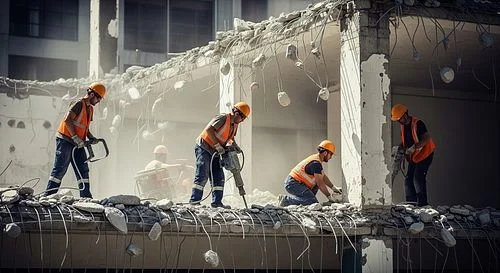
The construction industry in Leeds is experiencing a significant boom, and there's never been a better time to secure temporary demolition labourer positions through specialist recruitment agencies. Whether you're an experienced demolition worker or someone looking to break into the construction sector, understanding how quick placement services work can fast-track your career and put money in your pocket sooner than you'd think.
Understanding the Demolition Labour Market in Leeds
Leeds has transformed into one of the UK's most dynamic construction hubs, with demolition projects ranging from small residential teardowns to massive commercial redevelopments. The city's ongoing urban regeneration means there's a constant demand for skilled demolition labourers who can start immediately and deliver quality work under tight deadlines.
What makes Leeds particularly attractive for demolition workers is the sheer variety of projects. You'll find everything from Victorian building conversions in the city centre to industrial estate redevelopments on the outskirts. This diversity means consistent work opportunities throughout the year, and specialist construction recruitment agencies have positioned themselves as the bridge between available workers and urgent project needs.
The temporary nature of demolition work actually works in your favour. While permanent positions offer stability, temporary roles through recruitment agencies often come with competitive pay rates, flexibility to choose your projects, and the opportunity to gain experience across different types of demolition work. You're not locked into one company or one type of project – you can build a diverse skill set while earning good money.
Why Specialist Construction Recruitment Agencies Matter
Here's the thing about going through a specialist agency versus trying to find work yourself: they've already done the hard work of building relationships with contractors and understanding project timelines. When a demolition company needs labourers urgently, they don't post ads and wait weeks for applications. They call their trusted recruitment partner and expect workers on-site within days, sometimes even the next day.
Specialist agencies that focus specifically on construction and demolition understand the industry's unique requirements. They know what qualifications you need, which safety certifications matter, and how to match your skills with the right projects. This specialization means faster placements and better-suited roles compared to general employment agencies that handle everything from office work to retail.
These agencies maintain ongoing relationships with major demolition contractors throughout Leeds and the wider Yorkshire region. They're often the first to know about upcoming projects, sometimes even before public tenders are announced. This insider knowledge translates directly into more opportunities for registered workers.
What Employers Look For in Demolition Labourers
Let's get practical about what actually gets you hired quickly. Demolition contractors need workers who understand that safety isn't just a checkbox – it's the foundation of everything on-site. Your CSCS card isn't optional; it's your ticket to the door. Most agencies won't even process your application without it, so if you haven't got one yet, that should be your first priority.
Physical fitness matters more in demolition than almost any other construction discipline. You'll be lifting heavy materials, working in awkward positions, operating manual tools for extended periods, and potentially working at heights. Agencies look for candidates who can honestly handle the physical demands because contractors remember when someone can't keep pace, and that reflects back on the agency's reputation.
Reliability is absolutely crucial. When an agency places you on a project, your punctuality and attendance directly affect their relationship with the contractor. Show up late or call in sick unnecessarily, and you'll find yourself at the bottom of the call list. The workers who get consistent placements are the ones who prove themselves dependable from day one.
Experience with specific tools and equipment definitely helps, but it's not always a dealbreaker for temporary positions. If you've used breakers, disc cutters, or demolition saws, mention it. If you've worked with asbestos removal protocols or have confined space training, that's even better. These additional skills can bump you up the pay scale and make you more attractive for specialized projects.
The Quick Placement Process: What to Expect
Registering with a specialist construction recruitment agency is surprisingly straightforward. You'll typically start by filling out an online application or calling their office directly. The initial conversation focuses on your experience, qualifications, and availability. Be honest here – overselling your experience might get you through the door, but it'll become obvious on-site and damage your reputation.
Most agencies will want to meet you in person or conduct a video interview. They're assessing not just your skills but your communication style and professionalism. Remember, they're putting their name behind you when they send you to a client. Dress appropriately, bring your certificates, and be prepared to discuss your work history in detail.
The compliance process comes next, and it can feel a bit bureaucratic, but it's essential. You'll need to provide proof of identity, your right to work in the UK, and copies of all relevant certifications. Many agencies use digital compliance systems now, which speeds things up considerably. The faster you submit everything they need, the faster you can start working.
Once you're registered and compliant, you'll typically receive calls or messages about available positions. Here's where being responsive really matters. If an agency contacts you about a job starting Monday and you don't respond until Wednesday, that opportunity's gone. The workers who get the most placements are the ones who respond quickly and confirm their availability promptly.
Types of Demolition Projects Available in Leeds
The Leeds construction landscape offers incredible variety in demolition work. City centre redevelopments often involve carefully dismantling older buildings while preserving certain architectural features – this requires precision and attention to detail. These projects tend to be longer-term and offer stable work for weeks or even months.
Industrial demolition presents different challenges and opportunities. Former factory sites and warehouse complexes require labourers comfortable with heavy-duty work, potentially handling contaminated materials, and working in large-scale operations. These jobs often pay slightly higher rates due to the increased complexity and risk factors.
Residential demolition projects might seem simpler, but they come with their own demands. Speed is often crucial, and you'll need to work efficiently while managing waste properly. These smaller projects can be excellent for newer workers to gain experience and prove their reliability before moving to larger sites.
Infrastructure projects – roads, bridges, and utility installations – frequently require demolition work as part of the preparation phase. These government-funded or council-backed projects typically offer excellent pay and strong safety standards, making them highly sought after among experienced labourers.
Pay Rates and Financial Benefits of Agency Work
Let's talk money, because that's ultimately why you're looking for work. Demolition labourer rates in Leeds through agencies typically range from £11 to £15 per hour, depending on your experience and the project complexity. Workers with specialized certifications or equipment operation skills can command higher rates, sometimes reaching £16-£18 per hour.
Agency work often means you're paid through an umbrella company or on a PAYE basis, which simplifies your tax situation. While some workers prefer the higher rates of self-employed CIS work, PAYE gives you easier access to things like mortgage applications and provides more stability in your income documentation.
Many agencies operate weekly pay cycles, which is fantastic if you need cash flow more regularly than the typical monthly salary. You work Monday to Friday, submit your timesheet, and have money in your account the following week. This quick turnaround helps tremendously with budgeting and managing expenses.
Overtime opportunities are abundant in demolition work. Projects run on tight schedules, and contractors often need workers to put in extra hours to meet deadlines. Through an agency, overtime is typically paid at enhanced rates – time and a half for additional weekday hours and double time for weekends isn't uncommon.
Essential Qualifications and Certifications
Your CSCS card is non-negotiable for any construction site work in the UK, including demolition. The Green Labourer card is the minimum requirement, though progressing to Blue Skilled Worker cards opens more doors and higher pay grades. If your card's expired or you don't have one, getting it should be your immediate priority – the test is straightforward, and you can often complete it within a couple of weeks.
Health and safety awareness goes beyond just holding a card. Many agencies provide or require completion of specific toolbox talks or site-specific inductions. Being familiar with risk assessments, method statements, and working safely in demolition environments makes you more employable and, frankly, helps keep you alive and injury-free.
Manual handling training is specifically relevant for demolition work given the physical nature of the job. While not always mandatory, having this certification shows you understand proper lifting techniques and body mechanics, reducing injury risk and demonstrating professionalism.
Additional certifications that boost your employability include asbestos awareness training, working at height certification, first aid at work, and specific equipment operation tickets like NPORS or CPCS cards for plant machinery. Each additional qualification expands the range of projects you're eligible for and increases your value to both agencies and contractors.
Building Long-Term Career Opportunities Through Temporary Work
Don't make the mistake of thinking temporary work is a dead-end. Many demolition labourers use agency placement as a strategic career move. You gain exposure to multiple contractors, learn different working methods, and build a network across the industry. When permanent positions open up, you're often first in line because employers have seen your work ethic firsthand.
Temporary work lets you essentially audition for permanent roles without either party making a full commitment upfront. Contractors frequently convert their best agency workers to direct employees, especially for long-term projects or when they're expanding their teams. You get to assess whether you like their company culture and management style before committing to permanence.
The experience diversity you gain through agency work is genuinely valuable. Work on a high-street retail demolition one month, then move to an industrial site the next. This variety builds a more comprehensive skill set than staying with one contractor who might specialize in only one type of demolition. When you eventually move to permanent work or higher-level positions, this broad experience sets you apart.

Many demolition supervisors and foremen started as agency labourers. They learned the ropes, proved their reliability, gained additional qualifications, and gradually took on more responsibility. Agencies often support this progression, offering training opportunities and guidance on the certifications needed to advance in the industry.
Safety Culture in Demolition Work
Safety in demolition isn't just about avoiding accidents – it's about creating a culture where everyone looks out for each other and follows protocols without exception. The best agencies emphasize this from your first conversation. They'll discuss your understanding of PPE requirements, your attitude toward safety briefings, and your willingness to speak up if you see unsafe practices.
PPE requirements for demolition typically exceed those of general construction. Beyond the basics like hard hats, high-visibility clothing, and steel-toe boots, you'll often need respirators, hearing protection, safety goggles, and potentially specialized gear depending on the project. Agencies usually expect you to provide standard PPE, though site-specific equipment is typically provided by the contractor.
Understanding demolition-specific hazards sets professional workers apart. Structural instability, falling debris, dust and airborne particles, utility strikes, and manual handling injuries are constant risks. Demonstrating knowledge of these hazards and how to mitigate them during your agency interview significantly improves your placement chances.
The reporting culture matters enormously. If you spot a hazard or near-miss, reporting it immediately is expected and valued. Agencies want workers who contribute to site safety, not those who keep quiet to avoid "causing trouble." This proactive approach protects everyone and demonstrates the professional attitude that gets you called back for future projects.
Working with Multiple Agencies vs. Exclusive Partnerships
Here's a common question: should you register with one agency or several? There's no single right answer, but understanding the pros and cons helps you make the best decision for your situation.
Working with multiple agencies theoretically increases your job opportunities since you're accessing different contractor networks. However, it can create complications if two agencies offer you work for the same dates, or worse, if you get placed on the same project through different agencies – that's awkward for everyone and can damage your reputation.
Building an exclusive relationship with one specialist agency can work brilliantly if they have strong contractor connections and consistently offer you work. You become a known quantity to them, they prioritize you for good jobs, and the administrative side becomes smoother because you're only dealing with one set of processes.
Many experienced agency workers strike a balance by having a primary agency they work with regularly and one or two backup options for when their main agency can't offer work. This approach provides security without the complications of juggling multiple commitments. Whatever you choose, always be transparent with agencies about your availability and commitments.
The Impact of Seasonal Demand and Project Cycles
Construction and demolition work in Leeds, like everywhere in the UK, experiences seasonal fluctuations. Understanding these patterns helps you plan financially and manage expectations about work availability.
Spring and summer typically see increased activity as contractors rush to complete projects during better weather. Demolition work is particularly weather-dependent – heavy rain can halt operations, freezing conditions create safety hazards, and shortened daylight hours in winter reduce productive time. Agencies often have more placements available from March through October.
That said, indoor demolition projects – stripping interiors, removing fittings, and preparing buildings for renovation – continue year-round. Workers willing to take these roles during quieter periods maintain steadier income streams than those who only want outdoor work.
Major project cycles also affect demand. Large infrastructure projects or development schemes often involve an initial intensive demolition phase followed by quieter periods. Agencies with diverse contractor networks can move workers between projects as different phases complete, maintaining more consistent placements.
Being flexible about project types and locations within the Leeds area significantly increases your work availability. Workers who insist on specific projects or refuse to travel beyond a narrow radius naturally get fewer placements than those who show flexibility and willingness to take on varied work.
Transportation and Location Considerations
Most demolition sites in Leeds aren't serviced by convenient public transport, particularly those in industrial areas or on the city's outskirts. Having your own reliable transportation dramatically improves your employability. Contractors and agencies need to know you'll arrive on time regardless of bus schedules or rail delays.
If you don't drive, be upfront about it during registration. Some agencies arrange car-sharing or transport from central meeting points for major projects, though this is increasingly rare. Sites with good transport links – city centre projects, for example – become your realistic options, which naturally limits available placements.
Willingness to travel beyond Leeds proper – to Bradford, Wakefield, York, or other nearby areas – opens significantly more opportunities. Specialist construction agencies often cover entire regions rather than just individual cities. The best-paid and most consistent work sometimes comes from being willing to travel 30-45 minutes to larger projects.
Driving licenses and clean driving records matter more if you might need to operate site vehicles, transport materials, or move between multiple work locations during a day. Some higher-level demolition positions or specialized roles specifically require driving licenses as part of the job specification.
Making Yourself Stand Out to Agencies
Competition for the best demolition positions can be fierce, especially for projects with good pay rates or long-term stability. Understanding how to differentiate yourself from other registered workers directly affects your placement frequency and project quality.
Communication skills matter more than you might expect. You don't need to be eloquent, but being clear, professional, and responsive makes a massive difference. When an agency calls about a job, answer promptly, listen carefully to the details, ask relevant questions, and confirm your availability clearly. These seemingly small things set you apart from workers who communicate poorly or inconsistently.
Your work history and references carry significant weight. If you've worked through agencies before, they'll contact previous ones for references. Contractors remember reliable workers and specifically request them for future projects. Building this reputation takes time, but it compounds – each successful placement makes the next one easier to secure.
Professional development shows agencies you're serious about the industry. Completing additional courses, upgrading certifications, or learning new skills between placements demonstrates ambition and commitment. When agencies have a choice between someone who's been static for years and someone actively improving their capabilities, the motivated worker gets the call.
Attitude genuinely matters. Agencies deal with difficult workers regularly – people who complain constantly, arrive late, clash with site management, or create problems. Being someone who shows up with a positive attitude, follows instructions, works hard, and gets along with others makes you valuable beyond just your physical capabilities. These "soft skills" often determine who gets repeat placements and who gets dropped from the roster.
Understanding Your Rights as an Agency Worker
Working through recruitment agencies doesn't mean you have fewer employment rights – you're still entitled to protections and fair treatment under UK law. Understanding these rights helps you avoid exploitation and ensures you're treated properly.
After completing 12 weeks in the same role with the same hirer, you're entitled to equal treatment regarding pay and basic working conditions compared to directly employed workers doing the same job. This is the Agency Workers Regulations, and it's important to understand how it applies to your situation.
You're entitled to at least the National Minimum Wage (or National Living Wage depending on your age), and this must be provided regardless of whether the client pays the agency. If your pay seems below legal minimums, questioning it isn't being difficult – it's protecting your rights.
Holiday pay entitlement exists even for temporary workers. You accrue holidays based on time worked, typically paid either during your regular pay cycles or as a lump sum at the end of an assignment. Make sure you understand your agency's holiday pay policy and keep track of what you're owed.
Health and safety responsibilities are shared between the agency and the hirer. Both must ensure you work in safe conditions, receive proper training, and have appropriate equipment. If you're asked to do something unsafe or work without proper equipment, you have the right to refuse without penalty.
Future Trends in Demolition and Construction Recruitment
The demolition industry is evolving, and understanding where it's heading helps you position yourself for future opportunities. Sustainability and recycling have become major focuses, with contractors expected to salvage materials and minimize waste. Workers with knowledge of material separation, recyclable identification, and environmental protocols become increasingly valuable.
Technology integration is changing demolition work. While the physical labour remains essential, digital tools for site management, time tracking, and safety monitoring are becoming standard. Being comfortable with technology – even just using smartphone apps for timesheets and communication – makes you more adaptable to modern working practices.
Specialization within demolition is increasing. Rather than general labourers, contractors increasingly seek workers with specific expertise – asbestos removal, high-reach demolition, confined space work, or hazardous materials handling. Investing in specialized training positions you for higher-paid, more secure positions as this trend continues.
The recruitment process itself is becoming more streamlined through technology. Video interviews, digital compliance systems, and automated job matching help agencies place workers faster than traditional methods. Being comfortable with these technologies and having the necessary digital access (smartphone, email, video capability) becomes increasingly important.
Taking the First Step: Getting Started Today
If you're ready to pursue temporary demolition labourer positions in Leeds, your action plan is straightforward. First, ensure your CSCS card is current or begin the application process immediately. This single qualification is the foundation of everything else.
Research specialist construction recruitment agencies operating in Leeds and the Yorkshire region. Look for agencies with strong reputations, good contractor relationships, and positive worker reviews. Their websites typically have registration portals where you can begin the process immediately.
Prepare your documentation before contacting agencies. Have your ID, proof of address, National Insurance number, right to work documents, and all certification copies ready. Creating a digital folder with scanned copies of everything speeds up the compliance process considerably.
Be realistic about your availability and experience level. Agencies appreciate honesty and can work with any experience level – they just need to know where you actually stand. Overselling yourself leads to placement failures that damage everyone involved.
Finally, treat the first few placements as extended interviews. Show up early, work hard, follow instructions, maintain a positive attitude, and demonstrate reliability. These initial impressions determine your long-term relationship with the agency and your access to future opportunities. The demolition labourers who get consistent, well-paid work aren't necessarily the most experienced – they're the ones who prove themselves dependable and professional from day one.
Frequently Asked Questions
Q: How quickly can I start work after registering with a construction recruitment agency?
The timeframe from registration to your first placement varies, but with specialist construction agencies in Leeds, it can be remarkably fast. If you have all your documentation ready – valid CSCS card, right to work documents, proof of identity and address – you can complete the compliance process within 2-3 days. Some agencies with streamlined digital systems can process you even faster. Once compliant, you could literally start work the following Monday if there's a suitable position available. The key is being organized with your paperwork and responsive to agency communications. Workers who submit everything quickly and respond promptly to job offers can go from first contact to first day on-site within a week. However, if you need to obtain your CSCS card first or have missing documents, factor in additional weeks for that process.
Q: Do I need previous demolition experience to get placed as a temporary labourer?
Previous demolition experience certainly helps, but it's not always essential for entry-level labourer positions. What agencies and contractors really need is your CSCS card, basic health and safety awareness, physical fitness, and the right attitude. If you have construction experience in other areas – groundworks, general labouring, or even physically demanding work outside construction – that demonstrates transferable skills. Many demolition companies are willing to provide on-site training and guidance to workers who show up reliable, willing to learn, and capable of handling the physical demands. However, be honest about your experience level during registration. Agencies can place inexperienced workers on appropriate sites where you'll receive supervision and guidance. The projects requiring experienced demolition workers specifically will be beyond your reach initially, but there's absolutely a pathway into the industry for newcomers who approach it professionally.
Q: What's the typical pay rate for temporary demolition labourers in Leeds?
Pay rates for temporary demolition labourers in Leeds through recruitment agencies typically range between £13 and £15 per hour for standard labourer positions. Entry-level workers with limited experience usually start around £13-£15 per hour, while experienced labourers command £13-£15 per hour. Workers with specialized skills – asbestos awareness, equipment operation tickets, or working at height certification – can earn £16-£18 per hour or more for specialized projects. These rates often include holiday pay either accrued or rolled into your hourly rate. Overtime significantly boosts earnings, with time-and-a-half common for extended weekdays and double-time for weekends. Most agencies operate weekly pay cycles, so you're not waiting a month for your wages. It's worth noting that rates can vary based on project complexity, contractor budgets, and specific skill requirements, so discuss expectations clearly during the placement process.
Q: Can temporary agency work lead to permanent employment in demolition?
Absolutely, and it's actually one of the most common pathways to permanent positions in the demolition industry. Many contractors use agency placements as extended trial periods to assess workers before offering permanent roles. When you work through an agency, you're essentially auditioning for multiple companies simultaneously, giving you far more opportunities to impress potential employers than traditional job hunting provides. Contractors frequently convert their best agency workers to direct employees, particularly for long-term projects or when expanding their permanent teams. The transition typically happens after you've proven your reliability, work ethic, and skills over several weeks or months. This arrangement benefits everyone – you get to assess whether you like the company's culture and management style, they get to evaluate your performance in real working conditions, and there's no pressure for immediate commitment. Many successful demolition supervisors and foremen started exactly this way, beginning as temporary agency labourers and progressing through experience and additional qualifications.
Q: What happens if I'm injured on-site while working through a recruitment agency?
Your safety and protection if an accident occurs is covered through a combination of agency and contractor responsibilities. Both the recruitment agency and the site contractor have legal obligations under health and safety legislation to ensure safe working conditions. If you're injured, report it immediately to both your site supervisor and your agency representative. The site should have first aid facilities and accident reporting procedures in place. You're covered by Employers' Liability Insurance, which the agency must maintain by law. This covers medical costs and compensation for work-related injuries. You may also be entitled to Statutory Sick Pay if you're unable to work due to the injury. The specific details depend on whether you're employed via PAYE or through an umbrella company, but you're protected either way. Serious incidents get investigated by the Health and Safety Executive. It's crucial to understand that you have the right to refuse unsafe work without penalty – never feel pressured to do something you believe is dangerous. Prevention is always better than dealing with an injury aftermath, so prioritize safety protocols and speak up about hazards immediately.