


Industrial Cleaner (Confined Space/IPAF) Needed in Liverpool | Flexible Hours
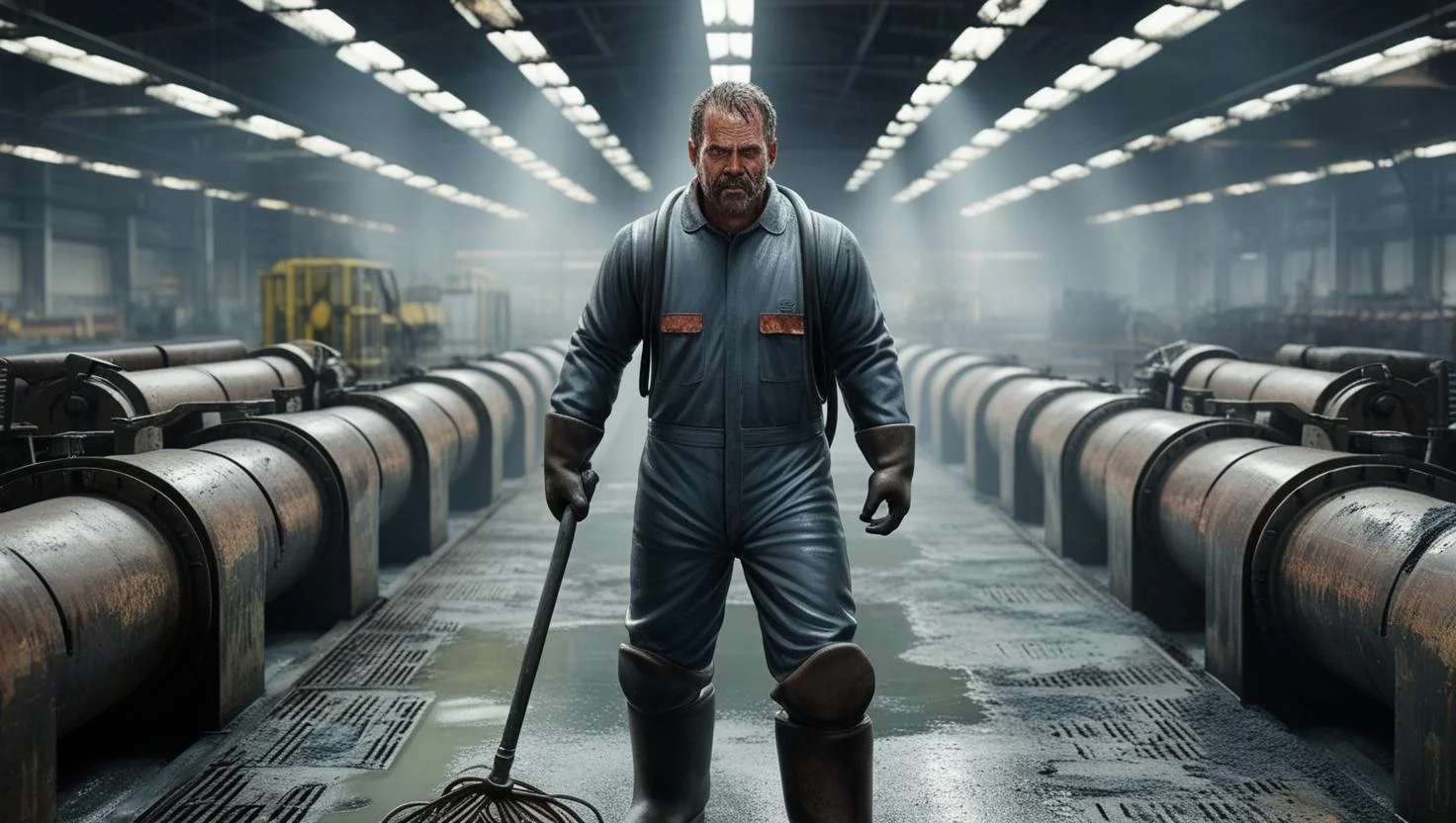
Job Description: Industrial Cleaner (Confined Space/IPAF)
Location: Liverpool
Main Responsibilities:
- Perform cleaning and maintenance tasks in confined spaces and at heights using IPAF equipment
- Ensure compliance with health and safety regulations and procedures
- Operate and maintain cleaning equipment and machinery
- Conduct risk assessments and follow safe work practices
- Perform general cleaning duties, such as sweeping, mopping, and waste removal
- Report any defects or hazards to the supervisor
- Complete necessary documentation and reports
Required Skills... Qualifications:
- Valid Confined Space certification
- Valid IPAF (International Powered Access Federation) license
- Knowledge of health and safety regulations and procedures
- Physically fit to work in confined spaces and at heights
- Ability to work independently and as part of a team
- Good communication and interpersonal skills
- Attention to detail and ability to follow instructions
- Flexibility to work various shifts, including weekends and evenings
Experience:
- Minimum 1-2 years of experience in industrial cleaning, preferably in confined spaces and at heights
- Experience using IPAF equipment, such as cherry pickers and scissor lifts
- Familiarity with industrial cleaning equipment and chemicals
- Experience working in a fast-paced environment while maintaining high standards of cleanliness and safety
Pay Rates:
The average pay rates for an Industrial Cleaner (Confined Space/IPAF) in Liverpool are as follows:
- Starting rate: GBP10 - GBP12 per hour
- Experienced rate: GBP12 - GBP15 per hour
- Overtime rate: GBP15 - GBP20 per hour
Please note that pay rates may vary depending on the employer, experience, and specific job requirements.
Various Industrial Cleaner (Confined Space/IPAF) Positions in Liverpool:
1. Confined Space Cleaner - Liverpool Docks
2. IPAF Certified Industrial Cleaner - Manufacturing Plant
3. Industrial Cleaner (Confined Space) - Water Treatment Facility
4. IPAF Licensed Industrial Cleaner - Construction Sites
5. Confined Space... IPAF Industrial Cleaner - Various Locations in Liverpool
The Importance of Skilled Industrial Cleaners for Confined Spaces and IPAF Work
Industrial cleaning is a specialized field that requires properly trained and equipped professionals, especially when it comes to cleaning confined spaces and performing work at heights using IPAF (International Powered Access Federation) certified equipment. In the Liverpool area, there is consistent demand for skilled industrial cleaners who can safely and effectively handle these challenging environments.
Confined spaces, such as tanks, silos, pipelines, ducts, and sewers, present unique hazards compared to regular work spaces. These dangers can include toxic fumes, low oxygen levels, fire risks, drowning risks, and more. Cleaning confined spaces requires special safety protocols, equipment, and training to mitigate the risks to workers.
Similarly, cleaning tasks that involve working at heights, such as on scaffolding, cherry pickers, or scissor lifts, come with their own set of safety considerations. Using IPAF certified access equipment and having the proper IPAF training helps ensure that cleaners can perform their duties at elevation while minimizing fall risks and other hazards.
Industrial facilities, construction sites, manufacturing plants, and many other workplaces in the Liverpool region rely on professional industrial cleaning services to maintain a safe and hygienic environment. Keeping confined spaces and high-up areas clean is essential not only for the health and well-being of employees, but also to comply with stringent health and safety regulations.
The Skills and Qualifications Required for Confined Space and IPAF Cleaning Work
To work as an industrial cleaner in confined spaces, individuals need to have confined space training and certification. This typically involves classroom instruction as well as practical training exercises to learn how to safely enter, exit, and work in confined spaces. Key topics covered include atmospheric testing, ventilation, use of personal protective equipment (PPE), emergency procedures, and more.
Confined space cleaners must be physically fit, as the job can involve working in awkward positions, climbing ladders, and wearing heavy PPE like respirators. They also need to be detail-oriented, conscientious about following safety protocols, and able to work well both independently and as part of a team.
For cleaning work that involves the use of powered access equipment, such as boom lifts and scissor lifts, cleaners need to have IPAF training and certification. The IPAF program teaches workers how to safely operate various types of access platforms, perform pre-use inspections, understand emergency controls, and assess hazards.
In addition to the core skills of confined space and IPAF cleaning, industrial cleaners may also need additional qualifications and knowledge depending on the specific work environment. For example, if working in the food processing industry, a cleaner may need food safety training. If cleaning in a pharmaceutical plant, they may need to understand cleanroom protocols.
Employers looking to hire industrial cleaners for confined space and IPAF work should verify that candidates have the necessary training certifications, as well as practical experience working in these environments. Many industrial cleaning companies invest heavily in training and certifying their cleaners to ensure they have the expertise to handle complex cleaning challenges.
The Equipment and Methods Used in Confined Space and IPAF Cleaning
Industrial cleaners working in confined spaces and at heights use specialized equipment to get the job done safely and effectively. This includes personal protective equipment like hard hats, steel-toed boots, gloves, safety glasses, and high-visibility vests. For confined spaces, additional PPE may be necessary, such as respirators, gas detectors, harnesses, and lifelines.
Cleaning equipment used can vary depending on the specific application, but may include pressure washers, steam cleaners, vacuum cleaners, brushes, squeegees, and various cleaning chemicals. All equipment and chemicals must be suitable for use in the particular environment and with the materials being cleaned.
In confined spaces, equipment may need to be explosion-proof or intrinsically safe to avoid creating ignition hazards. Ventilation equipment, such as blowers and extraction units, are often used to maintain a safe atmosphere and remove any hazardous fumes.
For cleaning at heights, workers use IPAF certified access platforms to reach elevated areas safely. This can include scissor lifts for straight vertical lifts, boom lifts for reaching up and over obstacles, and cherry pickers for maneuverability. Workers must perform a thorough site assessment and equipment inspection before use to identify any hazards.
The specific cleaning methods employed will depend on the type of surface, the nature of the soiling, and the environment. For example, pressure washing may be used to remove caked-on dirt and grime from industrial equipment, while steam cleaning may be preferable for sanitizing food processing surfaces. Cleaners may use scrubbing, wiping, rinsing, and various other techniques as needed.
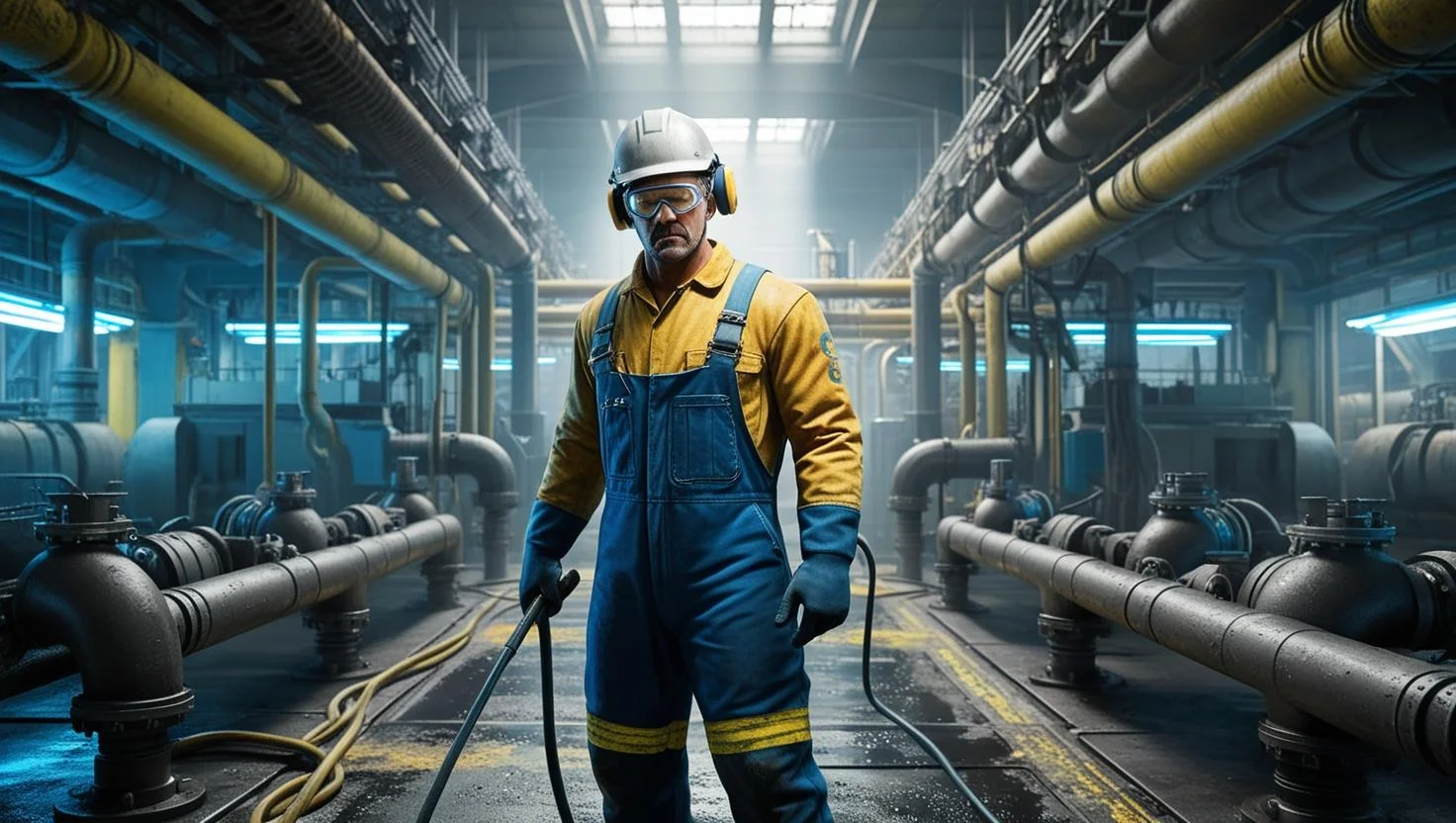 Safety Considerations for Industrial Cleaning in Confined Spaces and at Heights
Safety is paramount when it comes to industrial cleaning, particularly in confined spaces and when working at heights. Employers have a duty to ensure that their cleaners have the necessary training, equipment, and support to work safely and prevent accidents.
In confined spaces, key safety considerations include testing the atmosphere before entry to ensure adequate oxygen and the absence of toxic gases, ventilating the space as needed, and using the buddy system so that cleaners always work in pairs. Cleaners must also wear appropriate PPE and follow established entry and exit procedures.
When cleaning at heights, fall protection is critical. This includes using properly maintained and inspected access equipment, wearing harnesses and lanyards, and tying off to suitable anchor points. Workers should also be trained in fall rescue procedures in case an incident occurs.
Other general safety practices for industrial cleaning include using appropriate lockout/tagout procedures when cleaning around energized equipment, handling cleaning chemicals safely, and maintaining good housekeeping to prevent slips, trips, and falls.
Regular safety training and refresher courses are essential to keep cleaners up-to-date on best practices and maintain a strong safety culture. Employers should also conduct regular safety audits and inspections to identify and correct any hazards or non-compliances.
The Benefits of Hiring Professional Industrial Cleaners
While some companies may be tempted to handle industrial cleaning in-house using their own staff, there are many benefits to hiring professional industrial cleaners, especially for complex tasks like confined space and IPAF cleaning.
First and foremost, professional cleaners have the specialized training, certifications, and experience to handle these challenging environments safely and effectively. They understand the hazards and know how to mitigate the risks to protect both themselves and the facility.
Industrial cleaning companies also invest in the necessary equipment and supplies to get the job done right. This can include expensive specialized equipment that may not be practical for individual companies to purchase and maintain.
Outsourcing industrial cleaning allows companies to focus on their core business operations while leaving the cleaning to the experts. This can improve efficiency, as cleaning can be scheduled around production needs and performed by a dedicated team.
Professional industrial cleaners also have the knowledge and experience to ensure that cleaning is performed in compliance with all relevant health and safety regulations. This can help companies avoid costly fines and reputational damage from non-compliance.
Finally, using professional cleaners can often be more cost-effective than handling cleaning in-house, particularly when specialized training and equipment are needed. Companies can contract for the specific cleaning services they need, when they need them, without having to maintain a full-time cleaning staff.
Finding Qualified Industrial Cleaners in Liverpool
For companies in the Liverpool area looking for qualified industrial cleaners for confined space and IPAF cleaning work, there are several avenues to explore. One option is to search for local industrial cleaning companies that specialize in these services and have a proven track record of safety and quality.
Industry associations, such as the IPAF and the Confined Space Association, can also be good resources for finding certified cleaners. These organizations often have member directories or can provide referrals to qualified cleaning professionals.
When evaluating potential cleaning contractors, it's important to ask about their training and certifications, their experience with similar cleaning projects, their safety record, and their insurance coverage. Requesting references from past clients can provide valuable insight into their quality of work and reliability.
It's also a good idea to have a detailed scope of work and contract in place before any cleaning begins. This should specify the exact services to be performed, the timeline, the safety protocols to be followed, and the payment terms. A clear contract helps ensure that both parties are on the same page and can prevent misunderstandings down the line.
Conclusion
Industrial cleaning in confined spaces and at heights using IPAF equipment is complex, challenging work that requires specialized skills, knowledge, and equipment. In the Liverpool region, there is ongoing demand for qualified industrial cleaners who can handle these environments safely and effectively.
By investing in proper training, certification, and equipment, industrial cleaners can build rewarding careers while providing a valuable service to local industries. Companies, in turn, can benefit from outsourcing this specialized cleaning work to experienced professionals who can ensure regulatory compliance, maintain a safe work environment, and support efficient operations.
As the Liverpool economy continues to grow and diversify, the need for skilled industrial cleaners is likely to remain strong. By fostering a culture of safety, professionalism, and continuous improvement, the local industrial cleaning industry can play a vital role in supporting the region's economic success.
FAQs - Find Industrial Cleaner (Confined Space/IPAF) Needed in Liverpool with Team Quick Placement
1. What is an Industrial Cleaner (Confined Space/IPAF)?
An Industrial Cleaner (Confined Space/IPAF) is a specialized professional trained to clean and maintain confined spaces and operate elevated work platforms safely. They possess IPAF (International Powered Access Federation) certification to work at heights using equipment like cherry pickers and scissor lifts.
2. What are the primary responsibilities of an Industrial Cleaner (Confined Space/IPAF)?
The primary responsibilities include cleaning and maintaining confined spaces such as tanks, silos, and pipelines, ensuring compliance with safety regulations, and operating elevated work platforms to clean and maintain hard-to-reach areas.
3. What qualifications are required to become an Industrial Cleaner (Confined Space/IPAF)?
To become an Industrial Cleaner (Confined Space/IPAF), one must complete confined space training and obtain IPAF certification. Additional qualifications may include working at heights training, first aid, and knowledge of COSHH (Control of Substances Hazardous to Health) regulations.
4. What industries typically require the services of an Industrial Cleaner (Confined Space/IPAF)?
Industries such as oil and gas, petrochemical, manufacturing, construction, and utilities often require the services of Industrial Cleaners (Confined Space/IPAF) to maintain their facilities and ensure a safe working environment.
5. Are there any specific safety measures Industrial Cleaners (Confined Space/IPAF) must follow?
Yes, Industrial Cleaners (Confined Space/IPAF) must adhere to strict safety protocols, including using appropriate personal protective equipment (PPE), following confined space entry procedures, and ensuring proper ventilation and gas detection in confined spaces. They must also conduct pre-use inspections of elevated work platforms and follow IPAF guidelines for safe operation.