




Executive Summary
Cambridge is one of the UK's most distinctive — and most demanding — markets for head chefs and executive chefs. University college kitchens, independent restaurants on Mill Road, hotels near the historic core, corporate dining at the Science Park, and village gastro pubs around Grantchester and Great Shelford all hire at this level. Team Quick Placement specialises in placing culinary leaders who can step into complex Cambridge kitchens and deliver from day one. Salaries range from £38,000 to £60,000+, with college packages often adding pension, meals, and accommodation on top. The agency provides access to roles that never hit public boards — including college bursariate positions placed entirely through candidate relationships.
Table of Contents
- Why Head Chefs Are Cambridge's Hottest Commodity
- What "Head Chef" Actually Means on the Ground
- The Venues That Are Actively Hiring
- What Team Quick Placement Wants Before They Put You Forward
- The Recruitment Process
- Paperwork and Qualifications You'll Absolutely Need
- The Cambridge Head Chef Reality Check
- The Money Conversation
- Why Use an Agency When You're Already a Head Chef?
- Where This Leads Next
- Classic Head Chef Candidate Mistakes
- Getting Onto the Head Chef List
- Current Vacancies Table
- FAQ
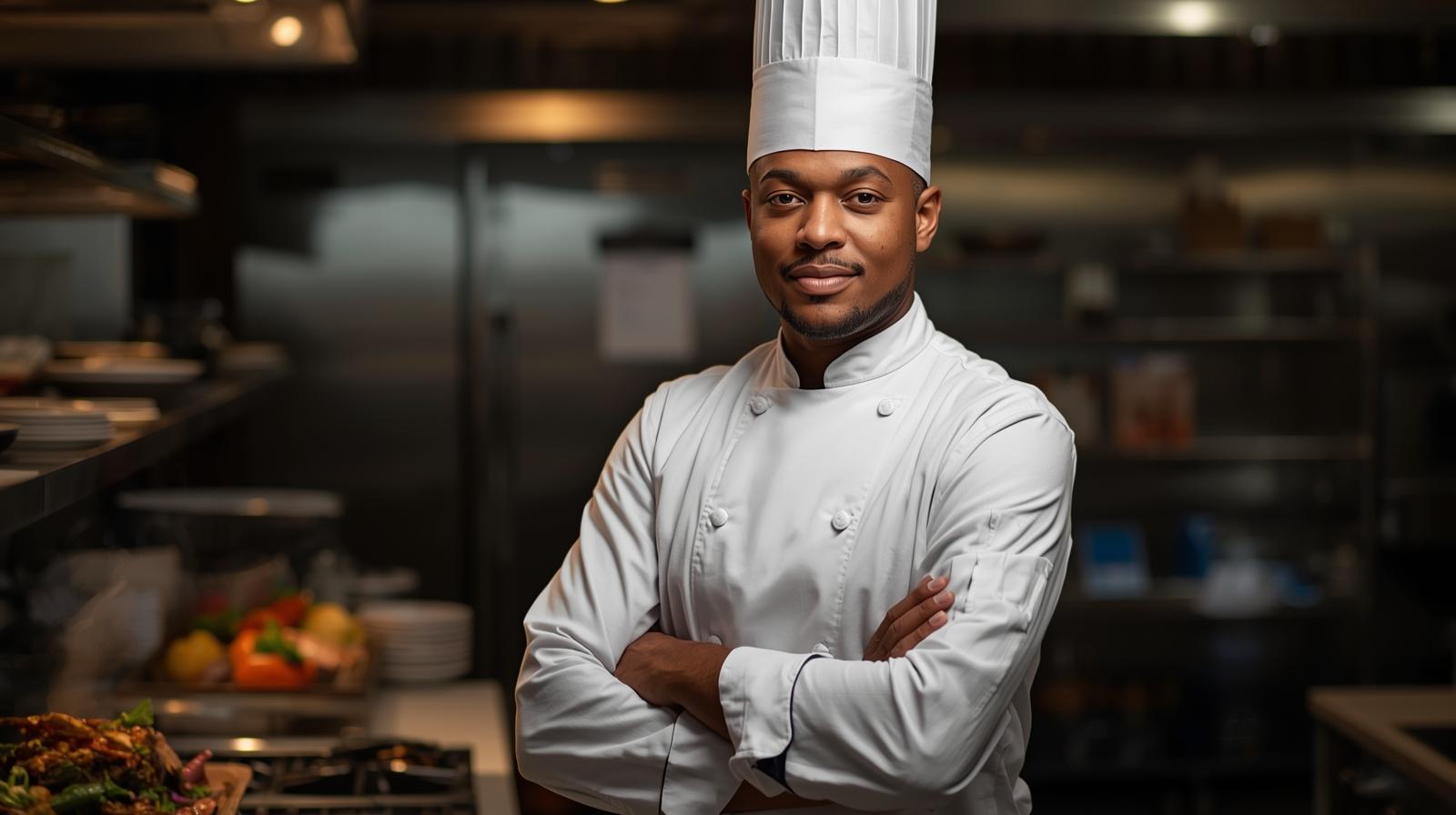
1. Why Head Chefs Are Cambridge's Hottest Commodity
✉ Featured Snippet: Head Chef Demand in Cambridge
Cambridge has persistent, high-intensity demand for experienced head chefs and executive chefs across its university colleges, independent restaurant scene, hotel sector, corporate campuses, and surrounding village gastro pub market. Academic calendar pressures, high rental costs compressing food margins, and a competitive labour market that offers kitchen staff constant alternatives makes Cambridge an unusually difficult city to retain culinary leadership — which means well-qualified head chef candidates with stable track records are always in demand. Team Quick Placement matches these candidates to venues that need someone who can own the pass, the prep list, and the P&L from day one.
Cambridge is not a typical UK hospitality market. The presence of one of the world's most prestigious universities creates a food service ecosystem unlike anywhere else in the country — one that runs from 800-year-old formal hall traditions to cutting-edge corporate dining on biomedical campuses a twenty-minute cycle ride away. Between them, these settings demand head chefs who can handle extreme seasonal variation, operate with unusually strict food safety and allergen protocols, and manage teams that include everything from apprentice kitchen porters to internationally trained senior chefs.
The problem is retention. Cambridge's cost of living — particularly housing — is brutal. A head chef who could afford a family home in Ipswich or Norwich on the same salary simply can't in Cambridge. The academic calendar creates workload spikes that wear people down. And unlike London, where there are always five other kitchens a commute away, a Cambridge kitchen executive who burns out or falls out with an owner has limited local alternatives. The result: venues that are frequently re-hiring at the top of their kitchen brigade.
Team Quick Placement's role in this market is specific. The agency doesn't just match CVs to job descriptions — it pairs seasoned culinary leaders with kitchens that are a genuine fit: the right scale, the right ownership structure, and the right creative latitude to keep a talented head chef engaged past the twelve-month mark. Most Cambridge venues can't afford to groom someone for three months. They need a finished article who steps in and steadies the ship. That's who the agency puts forward.
💡 Why the Market Is Tight Right Now
- Post-pandemic hospitality recovery in Cambridge accelerated faster than culinary talent supply could match
- University college kitchen expansions and refurbishments have created new head chef posts that didn't exist pre-2020
- Corporate dining at the Science Park and Biomedical Campus has matured into a premium product requiring real culinary leadership
- The village gastro pub sector around Grantchester and Great Shelford is investing significantly, with several venues repositioning upmarket
- Cambridge's access to premium local produce from Cambridgeshire farms and specialist suppliers makes it attractive to ambitious executive chefs who want ingredients to work with
2. What "Head Chef" Actually Means on the Ground (Spoiler: It's Not Mostly Cooking)
✉ Featured Snippet: What Does a Head Chef Do?
A head chef is the senior culinary leader responsible for menu design, dish costing, team recruitment and management, supplier relationships, stock and ordering systems, health and safety compliance (including full HACCP documentation), and the kitchen's food gross profit performance. In Cambridge's university and corporate settings, the role also encompasses conference catering, allergen documentation for diverse dietary populations, and managing extreme seasonal demand peaks. The cooking — though central to a head chef's professional identity — typically accounts for less than 40% of the working week once the full operational scope is understood.
The Real Scope of the Head Chef Role
Menu ownership and financial accountability
Full menu ownership means costing every dish at current supplier prices, designing specials that work within the venue's GP target, and knowing exactly what a fillet of seabass needs to sell for to hit margin — not approximately, but precisely. In Cambridge, where rents press venue owners hard against their cost base, a head chef who doesn't understand gross profit management quickly becomes an expensive liability. The ability to engineer a menu that is both culinarily ambitious and financially viable is the core commercial skill the role demands.
Team building and retention
Building and keeping a kitchen brigade in Cambridge is one of the genuine operational challenges of the role. Kitchen porters, commis chefs, and CDPs (chefs de partie) have options in this city — Pret, deliveroo kitchens, university catering, and corporate campus canteens all compete for the same entry-level pool. A head chef who can't create a kitchen environment people want to stay in will spend half their working life recruiting rather than cooking. Effective team leadership, clear development pathways, and decent shift management are as important as culinary skill.
Procurement, stock control, and supplier relationships
Ordering systems, weekly stock taking, wastage tracking, and negotiating with Cambridge's mix of local farm suppliers, specialist food merchants, and the larger wholesale operators that serve the city. In college settings, this includes managing relationships with bursary-approved supplier lists; in independent restaurants, it means building direct farm relationships that give you both freshness and margin advantages over competitors using purely wholesale channels.
Health and safety ownership
If the Environmental Health Officer (EHO) walks in, your name is on the paperwork. Writing HACCP documentation, managing temperature records, maintaining allergen matrices, and ensuring the entire team understands and follows food safety procedures is a legal and professional responsibility that sits squarely with the head chef. Cambridge's college and corporate clients have zero tolerance for compliance failures — a single EHO report with significant failings can end a role immediately.
3. The Venues That Are Actually Hiring
| Venue Type | Examples / Locations | Key Demands | Seasonal Pattern |
|---|---|---|---|
| University Colleges | City centre, Old Schools, Backs colleges | Formal hall, conference catering, allergen management, Enhanced DBS | Peaks: May Week, graduation, freshers |
| Independent Restaurants | City centre, Mill Road, Regent Street area | Owner relationship, GP management, creative menu development | Tourist peaks April–Sept; quieter Jan–Feb |
| Hotels | Station area, historic core, CB2–CB3 | Breakfast, lunch, room service, dinner; multi-outlet management | Conference season Oct–Nov, Mar–Apr |
| Corporate Dining | Cambridge Science Park, Biomedical Campus | High volume, strict allergen protocols, Mon–Fri hours | Stable year-round, summer slightly quieter |
| Village Gastro Pubs | Grantchester, Madingley, Great Shelford, Fen Ditton | Sunday roast quality, local sourcing, driving licence essential | Busy weekends year-round; quieter midweek winter |
University Colleges: The Unique Cambridge Opportunity
Cambridge's university college kitchens are unlike any other catering environment in the UK. The budgets are serious — a major college catering operation feeds hundreds of students, staff, and fellows daily as well as managing a substantial conference and events business. The traditions are ancient and observed: formal hall in academic dress, High Table service for fellows and guests, and graduation dinners that run with ceremonial precision. If you thrive on complex, multi-format catering and enjoy working within an institution that takes food seriously, college head chef roles represent some of the most rewarding — and most stable — head chef positions in Cambridge.
These roles almost never appear on public job boards. College bursaries recruit almost exclusively through trusted agencies and internal networks. Team Quick Placement's head chef placement service has established relationships with Cambridge college catering departments that give registered candidates access to vacancies that the general market never sees.
4. What Team Quick Placement Wants Before They Put You Forward
✉ Featured Snippet: What Makes a Strong Head Chef Candidate?
A strong head chef candidate for Cambridge has a minimum of five years in senior culinary leadership, demonstrable team management experience (including hiring and firing), clear financial literacy (GP percentages, labour cost control, wastage tracking), career stability with an honest account of each move, and the right to work freely in the UK. For rural and village pub roles, a driving licence is essential. For college and corporate roles, an Enhanced DBS check is required before placement.
- Track record in senior culinary leadership: Minimum five years holding responsibility for a kitchen section or full operation, ideally with a mix of high-end and high-volume environments. A background that only includes one type of setting limits the Cambridge venues the agency can consider you for.
- People management evidence: Not just "managed the section" but genuinely managed people — interviewed candidates, made the difficult call to let someone go, put structures in place that reduced turnover. Cambridge venues need head chefs who build teams, not just run them.
- Numbers literacy: Gross profit percentages, labour percentages, wastage tracking, menu costing — you can't be a brilliant cook who's allergic to spreadsheets. Cambridge's tight cost environments will expose financial illiteracy within weeks. Demonstrate your understanding of kitchen P&L proactively.
- CV stability or a compelling account of moves: College bursars in particular are nervous about CVs that hop every eight months. If your career history has short tenures, you need a clear, honest explanation for each one — redundancy, venue closure, relocation, and management changes are all legitimate; "it wasn't the right fit" repeated three times is not reassuring.
- Driving licence for rural and village roles: Public transport will not get you to a gastro pub in Grantchester or Madingley by 7:00 am for a prep shift. If you're targeting village pub roles, your own transport is non-negotiable. For city-centre college and hotel roles, it's an advantage but not always required.
5. The Recruitment Process: They Don't Just Send Anyone
Team Quick Placement's process for head chef placement in Cambridge is more rigorous than a standard hospitality agency registration. At this level, sending the wrong candidate to a Cambridge college or a well-regarded independent restaurant damages relationships that take years to build. The process is thorough by design.
- In-depth phone or video interview covering your last three roles: What kitchen did you inherit — what was already working, what was broken? What did you change, and why? What were the GP and labour cost figures when you arrived and when you left? Why did you leave? Specific, data-supported answers to these questions tell the agency more than any formal interview would.
- Menu costing exercise or a financial conversation: Some vacancies — particularly college and corporate roles — involve a menu costing exercise or a detailed discussion about how you would engineer a realistic Cambridge GP given the area's cost base. Bring examples from your current or most recent role.
- Verbal references (not just email confirmations): At least two references from previous owners, GMs, or executive chefs — people who can speak to your operational performance, team management, and financial results. Team Quick Placement calls these references directly and asks specific questions. Have two people ready who can speak in detail, not just confirm dates and job titles.
- Cooking trial: Most Cambridge venues require a full service trial or a tasting of three courses under time pressure. This is not an opportunity to reinvent the menu from scratch — it's a chance to demonstrate execution standards, kitchen organisation, and communication. Read the existing menu before you arrive and deliver it better than it's currently being delivered.
- Chemistry meeting with venue owner or GM: At head chef level, personality and alignment of culinary vision is genuinely half the placement decision. Owners who have been through three head chefs in two years want someone who can have an honest conversation about priorities, not someone who agrees with everything in the interview and starts pushing back on week two.
6. Paperwork and Qualifications You'll Absolutely Need
✉ Featured Snippet: Head Chef Qualifications for Cambridge
Cambridge head chef roles require: (1) Level 3 Award in Supervising Food Safety, (2) Level 3 Allergen Management for Supervisors, (3) strong working HACCP knowledge at documentation level, (4) Enhanced DBS for any role involving university, school-age, or student events. Formal culinary qualifications (NVQ Level 3, BTEC, HND) support an application but a track record of well-run operations with strong verbal references carries greater weight with most Cambridge employers.
- Level 3 Award in Supervising Food Safety: Non-negotiable for any senior kitchen role in Cambridge. If yours is out of date, renew it before registering — venues won't consider candidates without a current certificate.
- Level 3 Allergen Management for Supervisors: Cambridge's university colleges, corporate clients, and increasingly its independent restaurant market have made allergen competency a baseline requirement, not an optional extra. The city's diverse population — international students, research staff from every dietary tradition — means allergen management at head chef level must be both documented and genuinely operational.
- HACCP documentation competency: You will be writing HACCP systems, not just reading them. Venues want candidates who understand critical control points, can write hazard analyses that pass EHO scrutiny, and can train their team to maintain them consistently.
- Enhanced DBS check: Required for any role that involves proximity to university students in their residential setting, school-age visitors on open day catering, or May Week events. Team Quick Placement guides candidates through the application process; allow up to five working days for clearance.
- Formal culinary qualifications: NVQ Level 3 in Professional Cookery, BTEC HND, or equivalent. These help — particularly for college applications where the bursary is reviewing formal credentials alongside references. However, the agency's view (and most experienced Cambridge employers agree) is that a kitchen you ran with 68% GP and zero EHO flags is worth more than a piece of paper from a catering college. Both together is the ideal.
7. The Cambridge Head Chef Reality Check
⚠ The Challenges
- Staffing is relentless: Retention is a genuine crisis in Cambridge. You'll spend more time recruiting and covering sections than in most other UK cities.
- The rent effect: Venue rent compresses food costs, which limits what you can spend on ingredients and what you can pay staff. Creative ambitions hit financial ceilings earlier than most chefs expect.
- The academic calendar: May Week, graduation, and freshers week are war zones. August can feel like a ghost town. You're running two completely different operations under one contract.
- Tourist expectation management: Visitors want "authentic Cambridge dining" — often while photographing every plate. Managing expectations and maintaining consistency under scrutiny is part of the job.
- Multi-site pressure: Some Cambridge groups want one head chef across two or three kitchens. It sounds manageable until you're driving between them on a Saturday at 5pm.
✅ The Genuine Upsides
- Access to outstanding Cambridgeshire produce — local farms, specialist merchants, and artisan suppliers within easy delivery reach
- Cambridge diners are educated and food-curious — they notice and appreciate quality in ways that purely tourist or suburban markets don't
- College and corporate roles offer genuine work-life balance versus the traditional restaurant head chef lifestyle
- The city's international community creates a genuinely diverse palette of flavour influences to work with
- Progression paths into executive chef roles across college clusters or the growing regional hospitality groups based in Cambridge are real and well-trodden
8. The Money Conversation
✉ Featured Snippet: Head Chef Salary in Cambridge
Head chef salaries in Cambridge range from approximately £38,000 to £60,000 per year. Independent restaurants and gastro pubs typically pay £38,000–£48,000. Hotels and corporate dining sit at £42,000–£52,000. University college roles tend to pay £45,000–£60,000 with additional benefits including pension contributions, meals on duty, extended holiday entitlement, and sometimes accommodation. Tronc distribution at busier Cambridge restaurants can add £3,000–£8,000 annually — but confirm the distribution method before accepting any offer that relies on it.
| Sector | Base Salary Range | Additional Benefits | Tronc / Bonus Potential |
|---|---|---|---|
| University College | £45,000 – £60,000 | Pension, meals, extended leave, sometimes accommodation | Minimal — structured salary model |
| Hotel (4-star+) | £44,000 – £54,000 | Staff meals, hotel rate discounts, structured hours | Tronc variable; ask specifically |
| Corporate Dining | £40,000 – £52,000 | Mon–Fri hours, client satisfaction bonus, pension | Bonus up to 5–10% based on KPIs |
| Independent Restaurant | £38,000 – £48,000 | Creative latitude, staff meals, equity conversations possible | Tronc £3,000–£8,000 p.a. (confirm method) |
| Village Gastro Pub | £38,000 – £46,000 | Accommodation sometimes available; lower rent cost offset | Tips / service — typically informally distributed |
📌 Key Takeaway: The Tronc Question
Before accepting any offer that includes tronc or service charge as a meaningful income component, ask the venue directly: How is the tronc managed — pooled, split by seniority, or role-based? Who administers it? Has the distribution method changed in the last 12 months? Some Cambridge venues quietly use service charge income to supplement base wages rather than distribute it transparently. Team Quick Placement's consultants can advise on what's normal for specific venues before you receive a formal offer.
9. Why Use an Agency When You're Already a Head Chef?
✉ Featured Snippet: Why Head Chefs Use Recruitment Agencies
Experienced head chefs use specialist agencies like Team Quick Placement for four key reasons: (1) discretion — your current employer doesn't know you're looking until you've accepted an offer; (2) access to college and corporate roles that never appear on public job boards; (3) trial placements that let you test a venue's culture and ownership promises before committing to a permanent contract; and (4) salary benchmarking and negotiation — the agency knows what the market pays and can negotiate harder than most chefs feel comfortable doing themselves.
If you're currently working as a head chef and considering a move, the discretion argument alone often makes agency registration worthwhile. Speaking to potential employers directly — attending open interviews, calling GM contacts — creates trails. Your current employer finds out faster than you'd expect in a city as networked as Cambridge. An agency handles all initial contact on your behalf, and your name stays confidential until you're genuinely interested in a specific opportunity.
The salary benchmarking function is underused by candidates who are confident negotiators in the kitchen but less comfortable discussing money across a restaurant table. Team Quick Placement knows what Cambridge's colleges, hotels, and independents are currently paying comparable candidates — and will negotiate on your behalf using that data. You don't have to start from first principles every time you move.
And the trial placement or temp-to-perm route is genuinely valuable at this level. An owner who promises "full creative control" and "a fantastic existing team" in a first meeting may be describing the kitchen as they'd like it to be, not as it currently is. A trial run — typically three to four weeks at the venue — lets you assess whether the reality matches the pitch before you hand in your notice. The agency has the relationships to arrange this in a way that doesn't compromise your position with either party. Find current head chef and senior chef vacancies at quickplacement.co.uk/all-jobs or explore the full placement service offering here.
10. Where This Leads Next
| Next Role | Route | Cambridge Opportunity | Salary Uplift |
|---|---|---|---|
| Executive Chef | Multi-kitchen college cluster or hotel group | Strong — college federations and growing hotel groups | £58,000 – £75,000 |
| Group Head Chef | Regional hospitality group, multi-site oversight | Cambridge-based restaurant groups expanding regionally | £52,000 – £68,000 |
| Development / Consulting Chef | Day-rate consulting for struggling independents or new openings | High demand given Cambridge's opening rate | £350–£700 per day |
| Culinary Development — Corporate | Food service contractors, tech campus operators | Science Park and biotech sector | £55,000 – £70,000 |
| Independent Restaurateur | Own venue — requires significant backing given Cambridge rents | High risk / high potential; Cambridge connections help with investor access | Variable — equity dependent |
11. Classic Head Chef Candidate Mistakes
✉ Featured Snippet: Head Chef Interview Mistakes to Avoid
The most common mistakes head chef candidates make in Cambridge placements: trying to overhaul the menu on trial day one rather than executing the existing product brilliantly; talking about passion without providing GP data; underestimating seasonal demand peaks like May Week and graduation; neglecting the front-of-house relationship (in smaller Cambridge venues, head chef and restaurant manager alignment is critical); and failing to ask about the existing kitchen team before accepting a role.
- Reinventing the menu on trial day: The trial is not an audition for your creative vision. It's a demonstration of your execution standards. Read what the kitchen currently serves, understand the GP it's designed to achieve, and deliver it better than it's currently being delivered. Changing the entire menu concept on night one signals an inability to read a room — and an inability to read a room is a fatal flaw in a head chef.
- Passion without data: "I'm passionate about food" is not an answer to "what was your GP percentage last quarter?" Cambridge venues — especially colleges and corporate clients — are buying operational management as much as culinary talent. Passion doesn't pay the gas bill. Numbers do.
- Underestimating Cambridge's seasonal extremes: If 200-cover May Ball catering isn't your environment, say so at the beginning. Discovering in May Week that your new head chef cannot handle the volume is catastrophic for both parties. Honest self-awareness about what scales you thrive at is more valuable than overstating your comfort zone.
- Treating front-of-house as a separate concern: In Cambridge's smaller venues — owner-operated restaurants, village gastro pubs — the relationship between the head chef and the restaurant manager or front-of-house lead is the operational spine. Chefs who treat the pass as a wall between their domain and FOH create friction that affects covers, complaints, and ultimately retention across the whole team.
- Not asking about the existing team: Walking into a kitchen where three people walked out last month is a fundamentally different proposition from inheriting a stable crew. Ask specifically: how many people are currently in the team? What's the average tenure? Any positions currently vacant? Why did the last head chef leave? If the agency can't get honest answers to these questions, that itself tells you something.
12. Getting Onto Team Quick Placement's Head Chef List
- Submit a CV with real context: Venue names, kitchen team sizes, approximate annual turnover, GP percentages, what you changed and why. A CV that lists "head chef" at three venues without context tells nobody whether you ran a 20-cover café or a 300-seat college refectory. Register at quickplacement.co.uk/contact and include this detail in your introductory message.
- Be upfront about your availability: State your notice period, any non-compete clauses or gardening leave arrangements, and what you are genuinely open to — sector, hours pattern, minimum salary, whether you'd consider a trial placement before committing to a permanent role.
- Send sample menus or food photography only if current: If you have a menu from your current kitchen that demonstrates your cooking direction and includes costings, it adds genuine value. A plate photograph from 2018 at a different style of venue tells the agency and the venue very little. Honest, recent, contextually relevant material only.
- Maintain the relationship when you're happy: Cambridge's head chef market moves in cycles. The best roles go to people already on the agency's radar — candidates who responded promptly to an introduction call six months ago, sent an updated CV when their kitchen's focus shifted, and stayed in occasional contact without being pushy. Register now through quickplacement.co.uk and check the current chef vacancies listing regularly.
13. Current Head Chef & Senior Chef Vacancies
Current and recently active vacancies placed through the Quick Placement network. Rates and salaries indicative; confirm at registration. Roles marked as Cambridge-adjacent cover venues within 15 miles of the city centre.
| Role | Brief | Approx. Salary | Contract | Apply |
|---|---|---|---|---|
| Head Chef – University College, Cambridge | Full kitchen leadership for a Cambridge Backs college. Formal hall, conference catering, team of 12. Enhanced DBS required. Level 3 Food Safety essential. | £50,000–£58,000 | Permanent | Apply |
| Head Chef – Independent Restaurant, Cambridge Centre | Owner-operated a la carte. Creative input welcome. Current team of 6. GP target 66%. Tronc in operation — pooled model. | £42,000–£48,000 | Perm / Trial available | View All |
| Corporate Head Chef – Cambridge Science Park | Mon–Fri operation, 150 covers/day. Strict allergen documentation. Client satisfaction KPI bonus. Excellent work-life balance for the sector. | £44,000–£52,000 | Permanent | View All |
| Head Chef – Village Gastro Pub, Grantchester | Roaring weekend trade, quieter midweek. Strong Sunday roast following. Driving licence and own transport essential. Local sourcing focus. | £40,000–£46,000 | Permanent | View All |
| Sous Chef – St Albans (Quick Placement Network) | Fine dining sous chef role with strong head chef progression pathway. Ideal for Cambridge-area chefs considering a wider move. | £34,000–£40,000 | Permanent | Apply |
| Chef de Partie – Soho, London (Quick Placement Network) | High-calibre section chef role in Soho operation. Pathway to sous chef. Candidates from Cambridge area considering a London move welcomed. | £30,000–£36,000 | Permanent | Apply |
| Head Chef – Cambridge Hotel (4-star) | Multi-outlet role: breakfast, lunch, a la carte, room service. Team of 14. Previous hotel multi-outlet experience preferred. Tronc model in place. | £46,000–£54,000 | Permanent | View All |
Salaries indicative for the Cambridge area, 2025. Confirm at registration. Employers: post a head chef vacancy here.
From the Pass: Real Placements in Cambridge Kitchens
Hotel Head Chef to Cambridge College in 11 Weeks — with a Salary Step of £9,000
Sector: University College | Background: 4-star hotel, two previous head chef roles | Outcome: Permanent college post, £54,000 + benefits
Marcus D. had spent eight years as a head chef in hotel environments — two 4-star properties, one of which he'd taken from a two-star EHO rating to four in eighteen months. His culinary credentials were solid and his operations management was strong, but he'd reached the ceiling of what hotel kitchens in his area could offer him. His salary had stalled at £45,000 and the multi-outlet pressure was grinding him down without the creative latitude to offset it.
He registered with Quick Placement knowing college kitchens existed but assuming they'd want a more classically formal culinary background. The agency assessed his HACCP competency, his team management record, and his financial performance data — and identified a Cambridge Backs college that was specifically looking for someone with a modern, flexible approach to catering who could professionalise a kitchen that had operated on informal practices for years.
The outcome: Marcus completed a two-day trial covering a formal hall dinner and a next-day working lunch. The college appointed him within a week of the trial. The permanent role pays £54,000 with a pension contribution, 28 days' holiday plus bank holidays, and daily meals on duty. His take-home after deductions is approximately £1,400/month more than his hotel role despite the city's cost of living. Two years into the role, he's implemented a new HACCP system, reduced food waste by 22%, and is managing a stable team of 11 — the lowest turnover the kitchen has seen in a decade.
Key Lesson:
Hotel kitchen management skills — multi-outlet coordination, compliance documentation, volume management — transfer directly to college catering. The agency's role was identifying where the match existed, not where the obvious categories overlapped.
Trial Placement That Exposed a Kitchen in Crisis — and Saved a Career
Sector: Independent Restaurant, Cambridge | Situation: Candidate at risk of taking unsuitable permanent role | Outcome: Correct placement identified via trial; previous option avoided
Priya V. had been working as a senior sous chef at a respected regional restaurant for three years and was ready to step up to head chef. She'd been approached directly by a Cambridge Mill Road independent that had been through two head chefs in fourteen months and was desperate for stability. The owner's pitch was compelling: full creative control, a committed front-of-house team, a recently refurbished kitchen.
Before accepting, Priya registered with Quick Placement and asked for an honest assessment. The agency's relationship with the Cambridge restaurant market meant the consultant could provide context the owner hadn't disclosed: the two previous departures were both over disagreements about menu pricing versus the owner's GP expectations, and the kitchen's current team consisted of one CDP and two zero-hours porters. "Full creative control" and "no money to pay for the ingredients you want to use" were two different things.
The outcome: The agency negotiated a four-week paid trial at the Mill Road restaurant before any permanent offer. By week three, Priya confirmed the GP constraints were irreconcilable with the menu she wanted to build. She declined the permanent offer with no awkwardness — the trial structure meant both parties had agreed to the assessment period. The agency subsequently placed her at a Cambridge hotel group seeking a head chef for a recently opened venue, where the financial model, the ownership structure, and the creative parameters were all transparently presented before the first conversation. She accepted that role after a single service trial and is still there 18 months later.
Key Lesson:
The trial placement structure protects the candidate as much as the venue. In a market like Cambridge where word travels fast, avoiding a bad fit is as valuable as securing a good one.
What Chefs Say About Team Quick Placement
"I'd never considered a university college kitchen — I assumed it was all stodge and formal dinners. Quick Placement changed my view completely. They matched me to a Cambridge college that needed someone who could modernise the operation, gave me honest intelligence about what I was walking into, and negotiated a salary package I couldn't have got on my own. Best move I've made in ten years."
Marcus D.
Head Chef, Cambridge College
"The trial placement model is genuinely brilliant. I was about to accept a Cambridge restaurant role that sounded perfect on paper. Quick Placement arranged a trial first — which revealed the GP constraints made the creative brief impossible. They then found me a hotel group role with transparent financials and an honest owner. Eighteen months in and I'm still here. I owe that to the agency's diligence."
Priya V.
Head Chef, Cambridge Hotel Group
"I'd been a head chef for six years and thought I could manage my own job search. Three months of wasted conversations with venues that weren't the right fit later, I registered with Quick Placement. They placed me in a corporate dining role at the Science Park within four weeks. The hours are civilised, the pay is strong, and I get to actually see my family. The agency understood what I needed before I'd fully articulated it myself."
James H.
Corporate Head Chef, Cambridge Science Park
"I came to Quick Placement wanting a gastro pub in the villages around Cambridge — specific about location, specific about the type of operation. Most agencies would have tried to redirect me toward city roles. Quick Placement found a Grantchester pub that was exactly what I'd described, verified the owner's track record, and negotiated a salary that included accommodation. Six months in, it's the right call. They listened."
Sophie K.
Head Chef, Village Gastro Pub, Grantchester area
Frequently Asked Questions
Industry Glossary: Key Culinary Terms for Cambridge Head Chef Roles
- Gross Profit (GP)
- Revenue minus food costs, expressed as a percentage. A Cambridge restaurant targeting 66% GP is spending approximately 34p in every £1 of revenue on ingredients. The head chef is accountable for hitting or improving the GP target through dish costing and ordering discipline.
- HACCP
- Hazard Analysis and Critical Control Points — the food safety management framework required in all UK commercial kitchens. At head chef level, you write and own the HACCP documentation; your team follows it.
- Tronc
- A service charge or tips distribution system administered independently of the employer. Cambridge restaurant tronc can add £3,000–£8,000 to annual income — but always confirm the distribution model before accepting an offer that relies on it.
- Chef de Partie (CDP)
- A section chef responsible for a specific kitchen station (fish, meat, pastry, etc.). Reporting to the sous chef and head chef. Building, training, and retaining good CDPs is one of the primary operational challenges for Cambridge head chefs given the competitive local labour market.
- May Week
- Cambridge's end-of-year celebration period — a week of college balls, garden parties, punting events, and graduation ceremonies. Despite the name it usually falls in late June. For Cambridge head chefs, May Week is the single highest-pressure operational week of the year, with some college operations serving 1,000+ covers across formal events in a single evening.
Own the Pass. Own the Kitchen. Let Quick Placement Find You the Right Room.
Cambridge rewards the head chefs who stay. Stable teams, consistent GP performance, genuine relationships with suppliers and ownership — these take time to build, and they're only possible in the right environment. Team Quick Placement's job is to find you that environment before you commit to it.
Register now, maintain the relationship, and be first on the list when the right Cambridge kitchen comes up. The best roles don't stay open long in this market — and they don't hit the public boards at all.
Related Roles & Resources
Browse Roles
Head Chef Vacancies
All current head chef and senior chef roles across the UK
Progression
Sous Chef – St Albans
Senior sous chef role with head chef pathway
Wider Network
Sous Chef – Cardiff
Senior chef roles in Wales for candidates considering a move
Employers
Post a Head Chef Vacancy
Reach vetted Cambridge-area head chef candidates now
About the Author
Quick Placement Editorial Team
Chef & Hospitality Recruitment Specialists, UK
Quick Placement's editorial team draws on direct experience matching head chefs, executive chefs, sous chefs, and senior culinary staff to kitchens across the UK. Our culinary placement consultants work directly with Cambridge university college catering teams, independent restaurant owners, hotel groups, corporate dining operators, and village gastro pub proprietors to understand precisely what senior kitchen leadership positions require. We publish honest, operationally grounded guidance to help experienced chefs navigate one of the UK's most distinctive hospitality markets. To register as a candidate or post a vacancy, visit quickplacement.co.uk or contact our team directly.
Salary ranges quoted are indicative for the Cambridge area, 2025. Confirm exact packages with Quick Placement consultants at registration. Tronc distribution details should always be verified directly with the venue before accepting an offer that includes service charge as income.
© 2025 Quick Placement | quickplacement.co.uk | About Us | Contact | Catering Jobs