




Sound Engineer Staffing: Hire, Place, and Scale Elite Audio Talent Today
Sound Engineer Staffing: Hire, Place, and Scale Elite Audio Talent Today
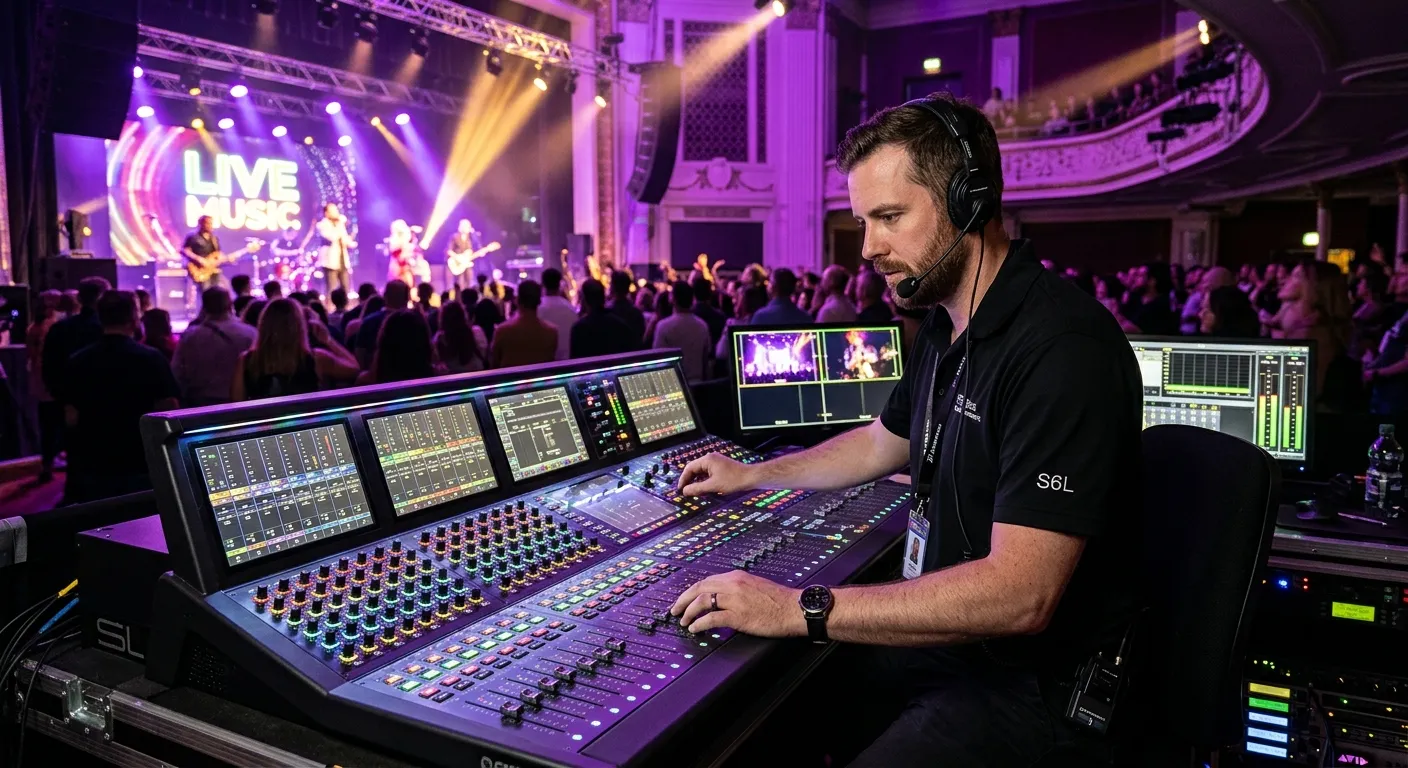
SEO Description: Discover expert Sound Engineer Staffing solutions to hire live sound, studio, broadcast, and event audio professionals quickly. Learn vetting, pricing, temp vs perm, and how to build a flexible audio workforce today.
Fast, vetted sound engineer staffing for live venues, studios, broadcast, events, and corporate audio teams across the UK.
Why Sound Engineer Staffing Matters in Today’s Audio Industry
Sound Engineer Staffing is no longer a niche recruitment function. It is a core operational priority for venues, studios, broadcasters, production companies, festivals, corporate event teams, and technical agencies across the UK. The right audio professional can protect a brand’s reputation, ensure a show runs smoothly, and create an experience that audiences remember. The wrong placement can cause feedback, dead air, blown equipment, missed cues, or an entire event failure. For employers, the challenge is finding people who can mix confidently, troubleshoot quickly, communicate with artists and clients, and adapt to changing technical environments. For candidates, the challenge is proving their skills, securing fair rates, and building a reliable pipeline of work. Effective Sound Engineer Staffing solves both problems by matching verified technical talent to the right role, shift, or project.
Live sound, studio engineering, broadcast audio, and event production each demand different expertise. A touring monitor engineer may not be the best choice for a studio mixing session, just as a broadcast audio operator may not want a club residency. This is why structured staffing matters. It allows employers to access a wider pool, compare candidates against clear technical criteria, and place the correct person quickly. It also helps candidates find roles that fit their strengths, equipment knowledge, and career goals. When done well, Sound Engineer Staffing becomes a strategic workforce tool, not just a reactive hiring process.
This guide explains how to approach Sound Engineer Staffing with confidence. It covers the main audio staffing categories, the benefits of working with a specialist agency, practical hiring tips, compliance considerations, flexible staffing models, and answers to common questions from employers and candidates. Whether you need one experienced engineer for a weekend event or a full technical team for a long-term production, the goal is the same: hire the right sound talent quickly, safely, and efficiently.
About Sound Engineer Staffing
Sound Engineer Staffing is the process of sourcing, vetting, placing, and managing audio professionals for live events, recording studios, broadcast facilities, corporate venues, production companies, and touring teams. It can include temporary shifts, contract projects, permanent placements, and framework agreements that give employers access to trusted talent when demand spikes. The field covers a broad range of roles, from front-of-house engineers and monitor engineers to studio producers, broadcast audio technicians, sound designers, and technical managers.
Many employers struggle with ad hoc hiring. They may rely on a small network of freelancers, post jobs on general platforms, or ask one team member to recommend someone. These methods can work for simple roles, but audio is technical, safety-critical, and reputation-sensitive. A candidate’s CV may list experience with digital consoles, but that does not prove they can handle a fast scene change, manage wireless frequencies, or communicate calmly with a nervous presenter. Effective staffing requires assessment, reference checking, and a clear understanding of the role requirements.
At Quick Placement, the approach to audio staffing is built around practical matching. We understand that employers need reliability, and candidates need clarity. We connect technical professionals with organisations that value competence, communication, and compliance. For employers, this reduces time spent screening and improves the quality of placements. For candidates, it opens access to roles that match their skills and experience. To learn more about how our recruitment team operates, visit our About Us page and explore our wider staffing recruitment solutions UK.
Pro Tip
Before you hire staff for an audio role, define the environment clearly: venue type, console brand, show schedule, client expectations, and safety requirements. The more precise the brief, the faster you can identify the right engineer.
Interactive Overview: Key Areas of Sound Engineer Staffing
Use the tabs below to compare the main areas of audio staffing. Each category has different hiring priorities, technical requirements, and scheduling patterns.
Live Sound Engineer Staffing
Live sound engineer staffing covers venues, theatres, clubs, festivals, conference halls, and touring productions. These professionals manage front-of-house mix, monitors, microphones, amplifiers, consoles, and signal flow. They often work irregular hours, including evenings, weekends, and public holidays. Employers should look for strong troubleshooting ability, calm behaviour under pressure, and experience with the specific console or system used at the site. A good live engineer understands audience experience, not just technical settings. They must also communicate clearly with performers, stage managers, and venue staff. For venues with frequent events, a reliable pool of live sound professionals is essential.
What to Look For
- Experience with the venue’s console and PA system
- Ability to handle feedback, dropouts, and last-minute changes
- Professional communication with artists and staff
- Reliable availability for evening and weekend work
Studio and Production Audio Staffing
Studio and production audio staffing supports recording, mixing, mastering, post-production, and content creation. Roles may include studio engineers, assistant engineers, producers, editors, and technical operators. Employers often need candidates with strong session management, editing skills, and knowledge of software such as Pro Tools, Logic, Ableton, or Nuendo. Studio work can be project-based, so staffing flexibility is important. A specialist may be needed for one album, podcast series, or advertising session. The best studio placements depend on technical competence and creative communication. Candidates should demonstrate portfolio work, client references, and the ability to meet deadlines.
What to Look For
- Strong DAW and plugin knowledge
- Experience with mic placement and recording workflow
- Portfolio or reel demonstrating quality work
- Ability to work with artists, producers, and clients
Broadcast and Corporate Audio Staffing
Broadcast and corporate audio staffing includes television studios, radio, live streaming, hybrid events, and conference production. These engineers must deliver clean, consistent audio for cameras, presenters, guests, and remote participants. Key skills include wireless microphone management, broadcast mixing, compliance with transmission standards, and coordination with producers, camera operators, and editors. Corporate employers often value professionalism as much as technical ability. The engineer may be visible in the room and must remain calm when schedules change. For broadcast roles, reliability is critical because errors can affect live audiences and brand reputation.
What to Look For
- Experience with broadcast consoles and routing
- Strong wireless and lavalier microphone skills
- Ability to work with directors and producers
- Professional conduct in live environments
Event and Touring Audio Staffing
Event and touring audio staffing is for conferences, exhibitions, product launches, awards nights, corporate activations, and road shows. Teams may need audio technicians, sound designers, technicians for wireless systems, and technical managers. These roles often involve short notice, travel, load-in, load-out, and multi-site work. Employers need people who can set up quickly, solve problems on the fly, and maintain a polished client experience. Touring staff may also require passports, right-to-work documentation, and experience with safety training. A flexible staffing partner can help fill urgent event shifts and build repeat teams.
What to Look For
- Experience with fast event builds and breakdowns
- Confidence working with clients and AV suppliers
- Flexibility for travel and irregular hours
- Strong documentation and safety awareness
Key Benefits of Professional Sound Engineer Staffing
Working with a specialist audio staffing partner brings more than speed. It improves quality, reduces risk, and supports better workforce planning.
Fast Access to Verified Talent
When a shift opens last minute, a specialist agency can quickly search its candidate pool and present suitable engineers. This protects your event schedule and reduces the risk of understaffing.
Better Technical Matching
Instead of guessing from a CV, agencies assess experience with consoles, workflows, venues, and production requirements. This improves confidence that the engineer can deliver the result you need.
Flexible Workforce Planning
You can hire for one day, a tour, a production season, or a permanent technical role. This helps manage peak demand without carrying excess payroll or losing operational control.
Compliance Support
Right-to-work checks, insurance, working time considerations, and site-specific safety requirements can be managed more smoothly through a structured staffing process.
Reduced Hiring Costs
Screening, shortlisting, and emergency sourcing take time. Outsourcing those steps can lower administrative burden and help avoid costly mistakes from poor placements.
Stronger Candidate Relationships
Consistent work, clear rates, and respectful communication help audio professionals stay engaged. Employers benefit from repeat hires and a more stable technical team.
Deep-Dive Insights for Employers and Candidates
How to Vet Sound Engineers Effectively
Technical skill is the starting point, but not the whole story. In Sound Engineer Staffing, the best candidates combine competence, reliability, and communication. Start by reviewing console experience, software knowledge, signal-flow understanding, and previous venues or projects. Ask for specific examples: how they handled a failed microphone, how they managed feedback during a live speech, or how they coordinated with a director during a broadcast. References should confirm punctuality, professionalism, and the ability to work under pressure. If possible, include a practical test or trial shift. A short assessment can reveal more than a long interview, especially when the role involves live troubleshooting. Employers should also check safety awareness, equipment handling, and familiarity with site rules. For candidates, building a clear portfolio, keeping references updated, and documenting technical skills can improve placement speed and confidence.
Quick Vetting Checklist
- Confirm console and software experience
- Ask for real troubleshooting examples
- Check punctuality and communication
- Validate safety and site awareness
- Use trial shifts where practical
Temporary, Contract, and Permanent Audio Staffing Models
Employers should choose the staffing model that matches the workload. Temporary shifts are ideal for one-off events, sick cover, or unexpected peaks. Contract placements suit tours, productions, and seasonal venues that need continuity for several weeks or months. Permanent roles are best when an organisation needs ongoing technical leadership, daily operations, or long-term system maintenance. Many businesses use a hybrid approach: a permanent technical manager supported by flexible engineers for events. This model provides stability while preserving agility. Temporary staffing also allows employers to evaluate candidates before making a longer commitment. If you need flexible cover, consider how temp employment can reduce hiring risk while maintaining service quality. If you need a permanent technical team, start by defining the role’s core responsibilities, equipment environment, and performance expectations before you hire staff.
Model Comparison
- Temporary: Best for urgent shifts, cover, and short events.
- Contract: Best for tours, productions, and seasonal continuity.
- Permanent: Best for long-term technical ownership and daily operations.
- Hybrid: Best for organisations that need stability and flexibility together.
Need skilled professionals fast? Explore how to hire skilled temps for audio and technical roles.
Pricing, Scheduling, and Operational Expectations
Pricing in audio staffing varies by role, location, equipment complexity, and urgency. A live event engineer working a short corporate shift may have a different rate than a touring monitor engineer or a broadcast specialist. Employers should set clear expectations around call times, overtime, travel, equipment responsibility, and cancellations. Candidates should ask about rates, payment terms, working hours, and site requirements before accepting a role. Transparent scheduling reduces misunderstandings and helps both sides plan. A specialist agency can also help with repeat bookings, standby lists, and emergency cover. When rates and expectations are agreed early, placements are smoother and teams are more focused. For employers, budgeting for quality is usually cheaper than replacing a failed placement last minute. For candidates, consistent booking terms make the work more reliable and attractive.
Watch: Fast Hiring in Action
See how urgent staffing can be handled with speed and structure when time is critical.
Compliance, Safety, and Risk Management
Audio work often happens in dynamic environments: stages, galleries, studios, outdoor festivals, and corporate rooms. Safety matters because engineers handle electrical equipment, moving structures, cables, lighting rigs, and sometimes heavy gear. Employers should ensure candidates have appropriate training, right-to-work documentation, and site-specific induction where needed. Agencies can support compliance by verifying documents, managing paperwork, and matching candidates to suitable roles. For high-risk or public-facing events, insurance and health-and-safety awareness are essential. Employers should also consider working time regulations, fatigue management, and the need for breaks during long productions. Good Sound Engineer Staffing does not just fill a shift; it protects people, equipment, and reputation. To see how our wider workforce solutions support safe and compliant hiring, review our Why Us resources.
Practical Hiring Advice
Create a standard brief template for every audio role. Include venue, console, show type, schedule, load-in times, dress code, safety notes, and client expectations. This simple step reduces back-and-forth and helps agencies present better candidates faster.
Building a Reliable Audio Talent Pipeline
The strongest audio teams are not built one emergency at a time. They are built through consistent relationships, clear expectations, and repeat opportunities. Employers benefit when they treat temporary engineers as part of a wider technical community. Pay fair rates, provide good working conditions, give clear instructions, and offer repeat work where possible. Candidates respond by becoming more reliable, more invested, and more willing to prioritise your events. Agencies can support this by maintaining talent pools, tracking availability, and matching repeat professionals to familiar venues. Over time, this reduces disruption and improves show quality. If you want to hire employees who understand your environment, focus on consistency as much as speed. The best placements often come from trusted relationships, not one-off transactions.
For candidates, the same principle applies. Build a reputation for punctuality, technical competence, and calm communication. Keep your certifications, references, and equipment knowledge current. The more dependable you are, the more likely you are to receive repeat bookings and stronger referrals. Sound Engineer Staffing works best when both employers and professionals treat it as a long-term partnership rather than a single transaction.
Common Mistakes to Avoid in Sound Engineer Hiring
One common mistake is hiring based only on console familiarity. A candidate may know a specific desk but still lack the communication skills needed for a high-pressure corporate event. Another mistake is vague briefing. If employers do not share call times, equipment details, or client expectations, even experienced engineers can arrive unprepared. Some organisations also undervalue the importance of reliability. A technically strong engineer who cancels at short notice can still damage a production. Finally, employers sometimes ignore the benefit of standby cover. Having a second candidate available can protect against illness, travel delays, or last-minute schedule changes. Avoiding these mistakes makes Sound Engineer Staffing smoother, faster, and more professional for everyone involved.
Frequently Asked Questions About Sound Engineer Staffing
Ready to Hire Sound Engineer Talent?
Whether you need one engineer for a one-off event or a full audio team for a production, professional Sound Engineer Staffing can help you hire quickly and place confidently. Our team can support temporary, contract, and permanent audio staffing across the UK, with a focus on reliability, technical fit, and smooth onboarding.
Post your role today and let us connect you with vetted sound engineers who understand live, studio, broadcast, and event environments.