




Confined Space Cleaning Services: Your Ultimate Guide to Safe & Compliant Operations
Discover the critical importance of professional confined space cleaning services. This comprehensive guide covers safety protocols, essential equipment, hiring best practices, and how partnering with leading temp agencies London ensures you have certified, experienced personnel for every high-risk task.
Hire Certified Confined Space Cleaners Now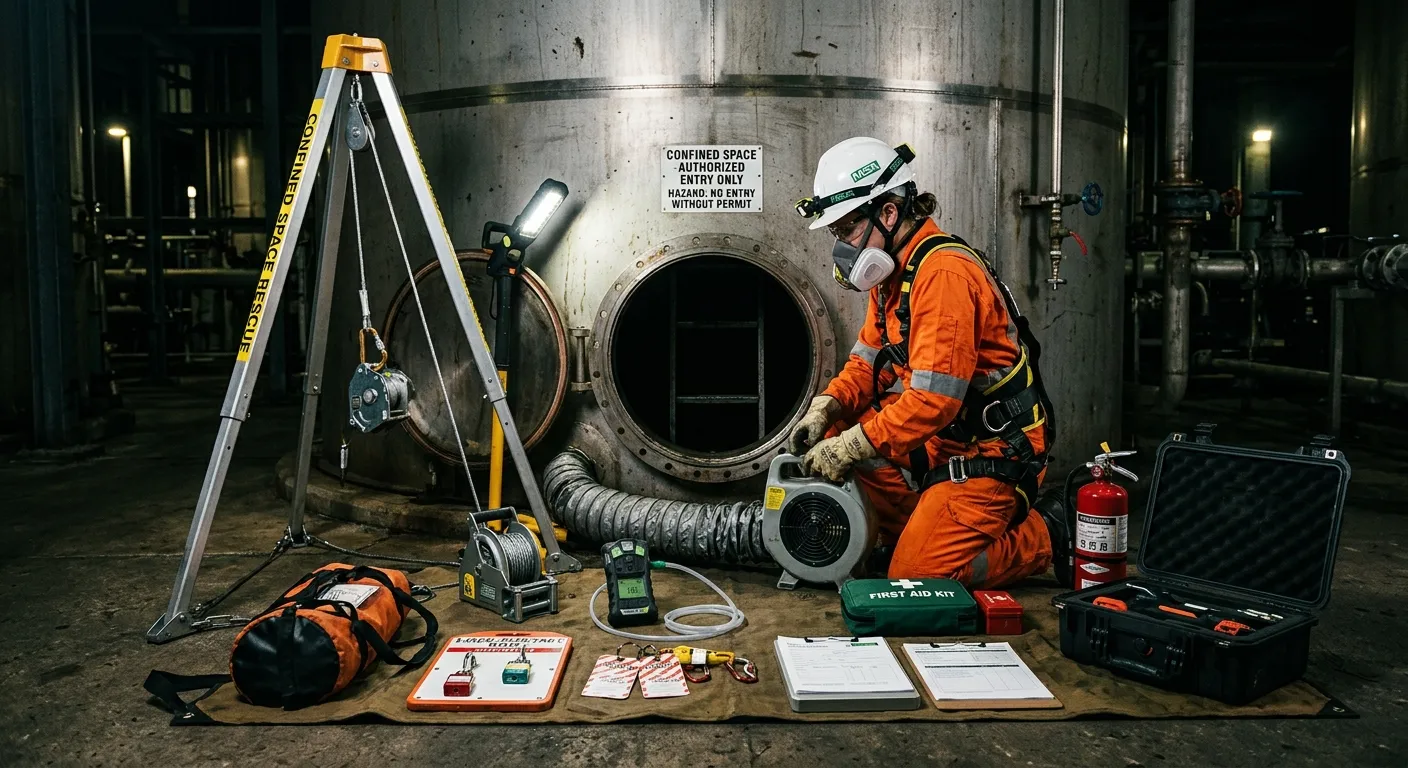
A Multi-Category Overview of Confined Space Operations
Confined space cleaning is not a single task but a category of specialized operations. Understanding the different environments and their unique hazards is the first step toward a safe and effective cleaning strategy.
What Exactly is a Confined Space?
In occupational health and safety, a confined space is defined as any place which is substantially enclosed, and where serious injury can occur from hazardous substances or conditions within the space or nearby. It is not designed for continuous occupancy. Common examples include storage tanks, silos, reaction vessels, enclosed drains, sewers, ducting systems, and unventilated rooms.
There are two critical classifications:
- Non-Permit Required Confined Space: A space that does not contain or, with respect to atmospheric hazards, have the potential to contain any hazard capable of causing death or serious physical harm.
- Permit-Required Confined Space (PRCS): This is the category that demands the highest level of safety protocol. It contains or has a known potential to contain a hazardous atmosphere, contains a material with the potential for engulfment, has an internal configuration that could trap or asphyxiate an entrant, or contains any other recognized serious safety or health hazard. Virtually all professional confined space cleaning services operate within this high-stakes category.
The Invisible and Visible Dangers
The risks in confined spaces are multifaceted and often life-threatening. A comprehensive risk assessment is non-negotiable before any entry.
Atmospheric Hazards
Oxygen deficiency or enrichment, flammable gases/vapours, and toxic substances (e.g., hydrogen sulphide, carbon monoxide). These are often undetectable without proper gas monitoring equipment.
Physical & Engulfment Hazards
Flowing liquids, free-flowing solids (like grain or sand), mechanical hazards from moving parts, extreme temperatures, and poor visibility leading to slips, trips, and falls.
Where Confined Space Cleaning is Essential
While often associated with heavy industry, the need for these specialized services spans a surprisingly broad range of sectors. Partnering with a versatile construction staffing services provider can give you access to a pool of talent experienced across these diverse environments.
- Water & Wastewater Treatment: Cleaning and maintaining sedimentation tanks, filter beds, and sewer systems.
- Chemical & Pharmaceutical Manufacturing: Decontamination of reactors, mixers, and storage vessels.
- Food & Beverage Production: Hygienic cleaning of fermentation tanks, silos, and large-scale piping to prevent bacterial growth.
- Energy & Utilities: Maintenance of boilers, furnaces, flues, and offshore platform compartments.
- Maritime & Shipping: Cleaning of ballast tanks, cargo holds, and double-hull spaces.
Navigating the Legal Landscape
In the UK, the primary legislation governing work in confined spaces is The Confined Spaces Regulations 1997. These regulations place a strict duty on employers to avoid entry where reasonably practicable. If entry is unavoidable, they must follow a safe system of work (a written permit-to-work is typically required) and put in place adequate emergency arrangements before work starts.
📋 Pro-Tip: The Role of the Standby Person
A critical and legally mandated role is the standby person (or attendant). This individual must remain outside the space, maintain constant communication, monitor conditions, and initiate rescue procedures without entering the space themselves. Their training is as vital as the entrant's. When you hire staff for confined space work, ensuring you have personnel qualified for both roles is paramount.
Key Benefits of Professional Confined Space Cleaning Services
Outsourcing to specialist providers or hiring certified temporary staff isn't just about compliance—it's a strategic business decision that delivers tangible operational and financial advantages.
Risk Mitigation & Zero Incidents
Professional services bring ingrained safety cultures. They conduct thorough pre-entry assessments, implement robust permit-to-work systems, and utilize calibrated gas detectors and specialized PPE. This structured approach drastically reduces the likelihood of catastrophic incidents, protecting your most valuable asset: your people.
Full Regulatory Compliance
Navigating HSE regulations is complex. Experts ensure every aspect of the operation—from method statements and risk assessments to emergency rescue plans—is documented and executed to the letter. This shields your business from hefty fines, legal liability, and reputational damage following an audit or incident.
Operational Efficiency & Cost Savings
What seems like a cost is actually an investment. Specialists complete tasks faster with the right equipment and techniques, minimising downtime for your core operations. You avoid the capital expenditure on rarely-used specialized cleaning gear and the ongoing costs of training and certifying in-house staff. For many businesses, accessing this expertise through temp employment channels is the most efficient model.
Access to Specialized Expertise & Kit
From high-pressure water jetting and vacuum extraction systems for sludge removal to chemical cleaning protocols for specific residues, professionals have the tools and know-how. They understand the nuances of different contaminants, whether it's biological growth in a tank or hazardous chemical buildup in a duct, much like a specialized kitchen fitter understands the specifics of commercial installations.
Certified Rescue & Emergency Readiness
Perhaps the most critical benefit. Professional teams don't just plan for entry; they plan for exit under duress. They maintain trained rescue teams on standby with equipment like tripods, winches, and stretchers specifically designed for confined space retrieval. This readiness is a legal requirement and a moral imperative that in-house teams rarely match.
Project Flexibility & Scalability
Needs fluctuate. You might require a large team for a plant shutdown or a single specialist for routine inspection. Professional services, especially those offered through top temp agencies in London, provide the agility to scale your workforce up or down without the administrative burden of permanent hires, similar to how you would manage fluctuating demand for hospitality or event staff.
The Step-by-Step Process: From Assessment to Completion
A professional confined space cleaning operation is a meticulously choreographed sequence. Skipping or shortcutting any step introduces unacceptable risk. Here is a detailed breakdown of the standard operational protocol.
Comprehensive Site Survey & Risk Assessment
Before any equipment is unloaded, a senior supervisor conducts a physical survey. They identify the space, its contents, adjacent hazards, and access/egress points. A detailed risk assessment is then documented, considering all potential hazards (atmospheric, physical, chemical, biological). This assessment directly informs the Safe System of Work (SSoW).
Expert Insight:"The most common oversight at this stage is failing to consider 'hidden' adjacent spaces. A connected pipe or duct from another process area can introduce hazards after cleaning has begun. Always assume interconnectedness until proven otherwise."
Development of the Permit-to-Work & SSoW
The Permit-to-Work (PtW) is the central control document. It is issued by an authorised manager and specifies the exact work to be done, the hazards identified, the precautions taken (isolation, purging, cleaning), the PPE required, the emergency procedures, and the time window for validity. The SSoW details the exact methodological steps for the cleaning itself.
Isolation, Purging & Atmospheric Testing
The space is physically isolated from all energy sources and material inputs (Lock-Out/Tag-Out). It is then purged—using ventilation, water flushing, or inert gas displacement—to remove hazardous contents. Continuous atmospheric monitoring begins and continues throughout the entry. Oxygen levels, flammability, and toxicity are checked at multiple levels (top, middle, bottom) as gases stratify.
This video demonstrates the precision and urgency required in high-stakes operational planning, a mindset directly applicable to preparing a confined space entry.
Execution with Continuous Monitoring
The cleaning crew, equipped as per the PtW, enters the space. The standby person maintains constant visual or verbal contact. Work is conducted methodically, often using specialized non-sparking tools. Atmospheric monitors remain active. All personnel must be prepared to evacuate immediately if monitor alarms sound or conditions change. The process requires the same discipline and teamwork as a coordinated construction or ducting project.
Egress, Debrief & Permit Closure
Upon completion, all personnel, tools, and debris are accounted for and removed. The permit is formally closed by the issuing authority after a visual inspection confirms the space is clean and safe. A post-task debrief is held to capture any lessons learned for future operations. This closed-loop process ensures continuous improvement in safety and efficiency.
Hiring the Right Team: Why Specialized Temp Agencies Are Critical
You cannot afford to cut corners on personnel for confined space work. The consequences of hiring under-qualified individuals are severe. This is where partnering with a recruitment specialist that understands the stakes becomes a strategic necessity, not just an administrative task.
The Quick Placement Advantage for Confined Space Staffing
At Quick Placement, we treat confined space recruitment with the gravity it deserves. Our process goes far beyond checking a certificate.
- ✓ Vetted Certifications: We verify not just possession of a Confined Space Entry/Rescue certificate, but its validity, issuing authority, and specific modules completed (e.g., gas testing, use of breathing apparatus).
- ✓ Practical Experience Verification: We delve into a candidate's logbook or work history to understand the types of spaces they've worked in (tanks vs. tunnels), the contaminants handled, and the equipment they're proficient with.
- ✓ Medical Fitness: Work in respirators and harnesses is physically demanding. We ensure candidates have up-to-date medical assessments confirming their fitness for such duties.
- ✓ Safety Mindset Assessment: Through targeted interviews, we gauge a candidate's attitude towards procedures, their willingness to stop work if conditions change, and their understanding of the standby role's importance. This aligns with our rigorous 7-step vetting process used across all high-risk roles.
Cost-Benefit Analysis: In-House vs. Agency Staff
The Hidden Costs of In-House Staff:
- Recruitment, training, and certification costs per person.
- Cost of purchasing and maintaining specialized PPE and monitoring equipment.
- Ongoing refresher training and certificate renewals.
- Liability and insurance premiums for high-risk activities.
- Idle time when confined space work is not required.
The Agency Model (Pay-As-You-Use):
- Single, transparent charge covering a fully vetted, certified, and insured worker.
- No capital expenditure on equipment; the worker arrives job-ready.
- Total flexibility—scale your team daily or weekly based on project needs.
- The agency manages all payroll, taxes, and employment admin.
- Access to a wider talent pool with diverse industry experience.
For most businesses, especially those where confined space work is periodic, the agency model through a trusted partner like Quick Placement offers superior risk management and financial efficiency. It allows you to focus on your core operations while leaving the specialist staffing to the experts.
Get matched with certified, experienced confined space cleaners in hours, not weeks.
Frequently Asked Questions on Confined Space Cleaning
Quick answers to the most common questions we receive from businesses looking to understand or hire confined space cleaning services.
What's the difference between a general cleaner and a confined space cleaner?
This is a fundamental distinction. A general cleaner focuses on aesthetics and hygiene in open, low-risk environments. A confined space cleaner is first and foremost a safety technician. Their primary training is in hazard identification, atmospheric monitoring, use of specific PPE (like harnesses and respirators), emergency procedures, and permit-to-work systems. The cleaning itself is a secondary skill performed under these stringent safety constraints. It's akin to the difference between a housekeeper and a hazardous materials (HAZMAT) decontamination specialist.
How quickly can I get a certified confined space cleaning team on site?
With a leading temp agency, response times can be remarkably fast for urgent but non-emergency situations. Agencies like Quick Placement maintain a live database of vetted professionals. For standard requirements, we can often mobilise a small team within 24-48 hours. For true emergencies, we have processes to identify and deploy suitable personnel in a matter of hours, similar to our rapid response for construction staffing needs. The critical factor is the quality of pre-vetting; a fast response is worthless without guaranteed competency.
Who is responsible for safety on site: my company or the cleaning service provider?
This is governed by the Health and Safety at Work etc. Act 1974 and the concept of shared responsibility. As the client (the"controller of premises"), you have a duty to ensure the work is carried out safely by a competent contractor. The contractor has a duty to execute the work safely and follow all relevant regulations.
In practice, the cleaning provider should manage the operational safety (their SSoW, PtW, equipment). However, you must provide them with all relevant information about your site, its hazards, and your emergency procedures. You also have a right to audit their safety documentation and stop work if you see unsafe practices. A clear contract defining these roles is essential. A good agency will proactively collaborate on this, much like our approach when supplying CSCS labourers to a construction site.
Can you provide staff for both the cleaning and the standby/rescue roles?
Absolutely, and we strongly recommend it. A cohesive team that trains and potentially works together regularly is far more effective and safer. When you hire staff through us for a confined space project, we can supply a complete crew: Entrants, Standby Persons, and even a Supervisor to manage the permit and overall safety. This turnkey solution ensures clear communication, established protocols, and shared responsibility, removing the risk of mixing and matching personnel who may not be familiar with each other's working styles in a high-pressure situation.
What industries beyond heavy manufacturing use these services frequently?
The application is vast. Common sectors include:
- Facilities Management: Cleaning of large HVAC ductwork, lift shafts, underground utility tunnels, and water tanks in office blocks, hospitals, and universities.
- Retail & Leisure:
Maintenance of large aquarium tanks, cleaning of theme park ride structures, and service ducts within shopping centres (where you might also need car park attendants). - Heritage & Construction: Cleaning of historic wells, crypts, or newly constructed service voids before handover.
- Transportation: Cleaning of aircraft fuel tanks, railway tankers, and ship holds.
Essentially, any enclosed space that requires cleaning or maintenance and poses an access or atmospheric risk falls under this remit.
Ready to Execute Your Confined Space Project with Confidence?
Don't let the complexity and risk of confined space cleaning paralyse your operations. Partner with a staffing solution that understands the stakes and delivers certified, safety-conscious professionals.
✅ Vetted & Certified
Every candidate undergoes rigorous checks for certifications, experience, and medical fitness.
⚡ Fast Deployment
Access our network of pre-vetted specialists and get your team on-site quickly.
🛡️ Full Compliance
Work with personnel trained in the latest HSE regulations and safe systems of work.
Whether you need a single standby person or a full crew for a plant turnaround, Quick Placement connects you with the elite talent you need. As one of the leading temp agencies London trusts for high-skill roles, we bridge the gap between your critical need and a safe, successful outcome.
Post Your Job & Hire Confined Space Experts TodayHave questions first? Explore our services or contact our specialist team for a confidential consultation.