




Quick Placement Needs Experienced Demolition Soft Strip Labourers in the Birmingham Area

The construction and demolition industry in Birmingham is experiencing a significant surge in demand for skilled workers, particularly in the specialized field of soft strip demolition. As urban regeneration projects continue to reshape the city's landscape, the need for experienced demolition soft strip labourers has never been more critical. Quick placement opportunities are emerging across the Birmingham area, offering lucrative positions for those with the right skills and experience.
Understanding Soft Strip Demolition
Soft strip demolition, often called soft demolition or strip-out work, is the first phase of any building refurbishment or demolition project. Unlike hard demolition that involves bringing down structural elements, soft stripping focuses on removing non-structural components from a building's interior. This meticulous process requires careful planning, skilled execution, and strict adherence to safety protocols.
The work involves systematically removing fixtures, fittings, and non-load-bearing elements such as ceiling tiles, partition walls, carpets, furniture, electrical fixtures, plumbing components, doors, windows, and internal finishes. It's a crucial step that prepares a building for either complete demolition or major refurbishment work. The precision required in soft strip demolition can't be overstated—one wrong move could compromise the building's structural integrity or create dangerous situations for workers.
In Birmingham's thriving construction sector, soft strip projects range from Victorian-era buildings undergoing heritage restoration to modern office spaces being converted for new purposes. Each project presents unique challenges that demand experienced labourers who understand the nuances of different building types and materials.
Why Birmingham's Construction Sector is Booming
Birmingham has established itself as a powerhouse of development and regeneration in the UK. The city's ambitious transformation plans, including major infrastructure projects like HS2, the Big City Plan, and numerous residential and commercial developments, have created an unprecedented demand for construction workers across all disciplines.
The Birmingham area's construction boom isn't showing signs of slowing down. With billions of pounds invested in redeveloping the city center, improving transportation networks, and creating new residential quarters, the need for skilled demolition workers continues to grow. Property developers and construction companies are racing to find qualified soft strip labourers who can hit the ground running without extensive training.
This rapid expansion has created what industry insiders call a "skills gap"—there simply aren't enough experienced workers to meet the demand. For qualified demolition soft strip labourers, this translates into excellent job security, competitive wages, and the ability to choose from multiple employment opportunities.
What Makes an Experienced Demolition Soft Strip Labourer
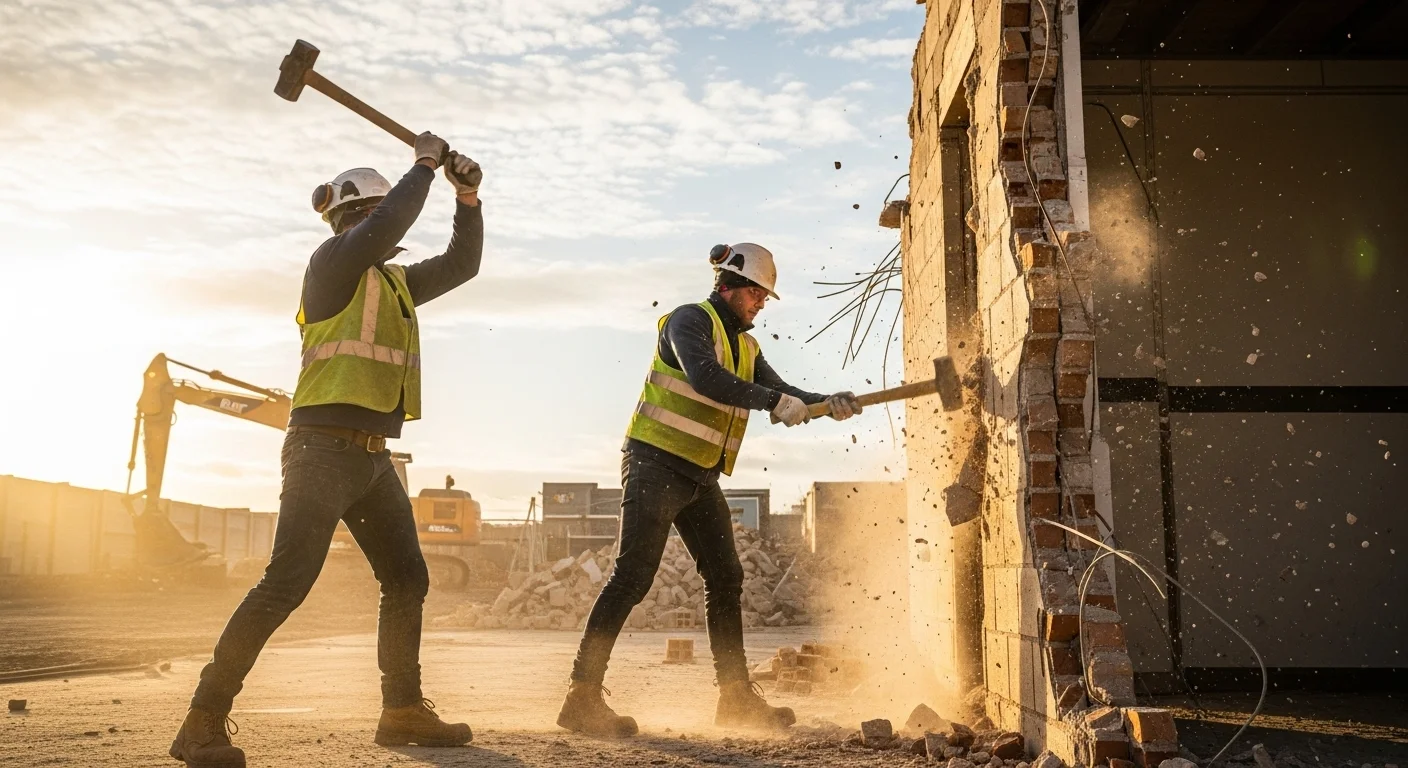
Experience in soft strip demolition goes beyond just knowing how to swing a sledgehammer. The role requires a comprehensive skill set that combines physical capability with technical knowledge and safety awareness. Experienced labourers understand building construction methods, can identify different materials and their proper disposal methods, and work efficiently while maintaining high safety standards.
A seasoned soft strip labourer knows how to read architectural drawings and work from method statements. They're familiar with various tools and equipment used in demolition work, from basic hand tools to powered equipment like concrete breakers and cutting tools. They understand the importance of segregating materials for recycling and proper waste management—a critical aspect of modern demolition work.
Physical fitness is non-negotiable in this line of work. The job involves heavy lifting, working in awkward positions, climbing ladders and scaffolding, and maintaining stamina throughout long shifts. However, it's not just about brute strength. Experienced workers know how to work smart, using proper techniques and equipment to minimize strain and maximize efficiency.
Perhaps most importantly, experienced soft strip labourers have a deeply ingrained safety culture. They've completed relevant training certifications like CSCS cards, asbestos awareness, manual handling, and working at height qualifications. They know how to conduct risk assessments, use personal protective equipment correctly, and recognize hazards before they become incidents.
The Role and Responsibilities
Working as a demolition soft strip labourer involves diverse daily responsibilities that keep the work interesting and challenging. On any given day, you might be removing suspended ceilings in an old office block, carefully extracting fixtures from a listed building, or stripping out entire floors of a residential tower scheduled for refurbishment.
The work typically begins with site briefings where the day's tasks are outlined, safety considerations reviewed, and any specific challenges addressed. From there, labourers work as part of a team to systematically remove designated materials and fixtures. This requires coordination, communication, and a methodical approach to ensure nothing is missed and everything is properly sorted.
Material segregation is a significant part of the role. Modern construction practices emphasize sustainability and waste reduction, meaning soft strip labourers must separate materials into designated categories—metals for scrap, wood for recycling, hazardous materials for specialist disposal, and general waste. This organizational aspect of the job is just as important as the physical demolition work.
Documentation and compliance also feature in the daily routine. Workers may need to sign permits, record materials removed, photograph completed areas, and report any unexpected findings like suspected asbestos or structural concerns. This administrative element ensures projects remain compliant with regulations and provides accountability throughout the process.
Quick Placement Opportunities in Birmingham
The term "quick placement" in the Birmingham demolition sector refers to the urgent need for experienced workers who can start immediately with minimal onboarding time. Construction companies and recruitment agencies specializing in the trades are actively seeking qualified labourers who can fill positions quickly to keep projects on schedule.
These quick placement roles often come with attractive benefits to entice experienced workers. Competitive hourly rates are standard, with many positions offering above-market wages to secure the right candidates. Overtime opportunities are plentiful, allowing workers to significantly boost their earnings. Some positions offer weekly pay, which is particularly appealing for workers who prefer more frequent payment schedules.
The variety of quick placement opportunities across Birmingham means workers can often find positions that suit their preferences—whether that's long-term contracts on major projects or shorter assignments that offer flexibility. Some workers prefer the stability of extended contracts lasting several months, while others enjoy the variety of moving between different projects every few weeks.
Recruitment agencies specializing in construction trades have become vital intermediaries in the Birmingham market. They maintain databases of qualified workers and relationships with contractors, enabling them to match experienced labourers with suitable positions rapidly. For workers seeking quick placement, registering with reputable agencies can open doors to multiple opportunities simultaneously.
Required Qualifications and Certifications
While experience is paramount, formal qualifications and certifications are equally important in securing quick placement positions. The construction industry has stringent safety and competency requirements that all workers must meet before stepping onto a site.
The CSCS (Construction Skills Certification Scheme) card is the foundation credential for anyone working in construction, including demolition soft strip labourers. This card demonstrates that you've completed basic health and safety training and possess the fundamental knowledge required for construction site work. Most contractors won't even consider candidates without a valid CSCS card.
Asbestos awareness training is another essential certification. Given the age of many buildings undergoing soft strip demolition in Birmingham, encountering asbestos-containing materials is a real possibility. Workers must be able to recognize potential asbestos, understand the risks, and know the correct procedures when it's discovered. This half-day course is now standard for anyone involved in demolition or refurbishment work.
Manual handling certification teaches proper lifting techniques and strategies for moving heavy or awkward items safely. Considering the physical demands of soft strip work, this training helps prevent injuries and ensures workers can maintain their physical health throughout their careers.
Working at height certification is frequently required since soft strip work often involves scaffolding, ladders, and elevated platforms. This qualification demonstrates competence in selecting appropriate equipment, conducting safety checks, and working safely when elevated.
Additional certifications that can make candidates more attractive for quick placement include first aid at work, confined spaces training, harness and fall protection, and equipment-specific qualifications for powered tools and machinery.
Safety Considerations in Soft Strip Demolition
Safety is the overriding priority in all demolition work, and soft stripping presents unique hazards that experienced labourers must navigate daily. Understanding these risks and the measures to mitigate them separates experienced professionals from inexperienced workers.
Dust and airborne particles are constant concerns during soft strip operations. Breaking up materials, removing insulation, and general demolition activities create significant dust that can cause respiratory problems. Experienced workers know to use appropriate respiratory protection, ensure adequate ventilation, and implement dust suppression measures.
Manual handling injuries represent one of the most common risks in soft strip work. The repetitive nature of lifting, carrying, and moving materials can lead to musculoskeletal problems if proper techniques aren't employed. Experienced labourers pace themselves, use mechanical aids when appropriate, and recognize their limits.
Working at height introduces fall risks that can result in serious injuries or fatalities. Proper scaffolding inspection, correct use of ladders, and appropriate fall protection equipment are non-negotiable aspects of safe working practices. Experienced workers never take shortcuts when working at elevation.
Structural instability can develop during soft strip operations, particularly when removing partition walls or large fixtures. Understanding load distribution and recognizing warning signs of structural stress is crucial knowledge that comes with experience.
Hazardous materials beyond asbestos—including lead paint, chemical residues, and contaminated materials—may be encountered during soft strip work. Experienced labourers know to stop work and report suspected hazardous materials rather than pressing ahead and creating health risks.
The Birmingham Advantage: Location and Logistics
Birmingham's central location in the UK makes it an attractive base for construction workers. The city's excellent transport links mean many workers can commute from surrounding areas or find affordable accommodation if relocating. The extensive public transport network, including trains, buses, and the Midland Metro, provides accessibility to sites across the metropolitan area.
For those considering relocating to Birmingham for quick placement opportunities, the cost of living is generally more affordable than London and other southern cities while still offering urban amenities and entertainment options. The city's diverse communities, cultural venues, and sporting facilities make it an appealing place to live and work.
Birmingham's construction sites are spread across the city and surrounding boroughs, including Solihull, Sandwell, Dudley, and Walsall. This geographic spread means opportunities exist throughout the region, and workers often find positions close to home or can choose projects in different areas to expand their experience.
Career Progression and Development
Starting as a demolition soft strip labourer doesn't mean you're locked into that role forever. The construction industry offers clear progression pathways for those who demonstrate competence, reliability, and ambition.
Many labourers progress to supervisory roles, becoming gang leaders or site supervisors responsible for coordinating teams and overseeing operations. This advancement typically comes after gaining extensive experience and possibly completing additional management or supervisory training.
Specialization is another avenue for career development. Some workers focus on specific types of soft strip work, such as heritage buildings, hazardous materials removal, or high-value commercial properties. This specialization can command premium rates and open doors to niche opportunities.
Plant operation offers yet another progression route. Learning to operate excavators, loading equipment, or specialist demolition machinery broadens your skill set and increases your value to employers. Many plant operators start as labourers and transition after completing the necessary training and certifications.
For those with entrepreneurial aspirations, gaining experience as a demolition soft strip labourer provides the foundation knowledge to eventually start your own demolition or strip-out company. Understanding the work from the ground up is invaluable when managing your own business.
Finding Quick Placement Opportunities
Securing quick placement positions in Birmingham requires a proactive approach and knowing where to look. Multiple channels exist for finding these opportunities, each with advantages.
Specialist construction recruitment agencies are often the fastest route to quick placement. These agencies maintain relationships with contractors and developers, receiving notification of vacancies before they're publicly advertised. Registering with several reputable agencies increases your visibility and options.
Online job boards and platforms dedicated to construction trades regularly list demolition and soft strip positions. Sites like Indeed, Totaljobs, CV Library, and specialist construction job boards feature daily postings for Birmingham-area positions.
Direct applications to demolition contractors and construction companies operating in Birmingham can yield results. Many companies prefer direct applicants as it saves recruitment fees. Researching major contractors working on Birmingham projects and approaching them with your CV demonstrates initiative.
Networking within the construction community shouldn't be underestimated. Word-of-mouth recommendations from colleagues, supervisors, and industry contacts often lead to opportunities before they're formally advertised. Maintaining a professional reputation and staying connected with the community pays dividends.
Social media platforms, particularly LinkedIn and Facebook groups dedicated to construction jobs, have become increasingly valuable resources for finding quick placement opportunities. Many recruiters and contractors post urgent vacancies on these platforms.
What Employers Look for in Candidates
Understanding what employers prioritize when filling quick placement positions helps candidates present themselves effectively. While experience is crucial, several other factors influence hiring decisions.
Reliability and attendance history carry enormous weight. Construction projects operate on tight schedules with interconnected tasks. A labourer who consistently shows up on time and maintains excellent attendance becomes invaluable to site managers dealing with deadline pressures.
Flexibility and adaptability are highly prized traits. Projects change, conditions vary, and tasks evolve. Workers who can adjust to changing circumstances without complaint and tackle different assignments with equal competence stand out from those who resist change.
Team compatibility matters significantly in demolition work where coordination and communication are essential. Employers seek labourers who work well with others, take direction, and contribute positively to site culture. Difficult personalities, regardless of their skill level, create friction that impacts overall team performance.
Current, valid certifications eliminate administrative delays. Candidates with all necessary documentation in order can start immediately, which is exactly what quick placement situations require. Expired certifications or missing credentials slow the onboarding process and may cost you opportunities.
A professional attitude encompassing respect for safety rules, quality workmanship, and positive communication makes candidates memorable for the right reasons. In a competitive market, these soft skills often tip the balance between similar candidates.
Compensation and Benefits
Demolition soft strip labourers in the Birmingham area can expect competitive compensation reflecting the skilled nature of the work and current demand levels. While exact rates vary based on experience, certifications, and specific employer, understanding typical compensation helps set realistic expectations.
Hourly rates for experienced soft strip labourers in Birmingham generally range from £12 to £18 per hour, with highly experienced workers or those with specialized skills commanding rates at the higher end or beyond. Quick placement positions, particularly those with urgent timescales, may offer premium rates to attract candidates quickly.
Overtime opportunities significantly boost earning potential. Construction projects often require extended hours to meet deadlines, with overtime typically paid at time-and-a-half or double time for weekend work. Dedicated workers can substantially increase their weekly earnings through overtime.
Some positions offer additional benefits beyond base pay. These might include pension contributions, holiday pay for permanent positions, travel allowances for sites requiring significant commutes, and bonuses for project completion or safety performance.
Payment frequency varies by employer. Many labourers prefer weekly pay, which is common in the sector, though some positions offer fortnightly or monthly payment. Agency workers often benefit from weekly payment arrangements.
Long-term contracts provide income stability, while shorter assignments offer flexibility. Understanding your financial needs and preferences helps determine which opportunities align with your circumstances.
The Future of Soft Strip Demolition in Birmingham
Birmingham's construction sector shows no signs of slowing, suggesting continued strong demand for demolition soft strip labourers for years to come. Understanding industry trends helps workers position themselves for sustained success.
Sustainability and circular economy principles are increasingly influencing demolition practices. Greater emphasis on material recovery, recycling, and waste reduction means soft strip workers need to develop knowledge of sustainable practices and material segregation. This trend creates opportunities for those who embrace these principles.
Technological advancement is beginning to impact even traditional roles like soft stripping. While robots won't replace labourers anytime soon, tools and techniques are evolving. Workers who stay current with new equipment and methods maintain their competitive edge.
Heritage restoration and building conservation represent growing sectors in Birmingham as the city balances new development with preserving its industrial heritage. Soft strip work on historic buildings requires specialized knowledge and careful techniques, creating niche opportunities for experienced workers.
The push for housing development across Birmingham and surrounding areas ensures a steady stream of demolition and refurbishment projects. Converting commercial buildings to residential use, updating aging housing stock, and clearing sites for new construction all require soft strip expertise.
Making the Transition to Birmingham Demolition Work
For experienced soft strip labourers considering relocating to Birmingham or those in the area looking to enter the field, several steps facilitate a successful transition to quick placement positions.
First, ensure all certifications and credentials are current and readily accessible. Having digital copies of your CSCS card, training certificates, and references available makes the application process smoother and faster.
Research the Birmingham market to identify active contractors, major projects, and agencies specializing in demolition placements. This knowledge helps target your job search effectively and demonstrates informed interest during interviews.
Prepare a clear, concise CV highlighting relevant experience, specific skills, and completed projects. For trade roles, employers want to quickly identify your capabilities and track record rather than wading through lengthy documents.
Be responsive when opportunities arise. Quick placement positions often have tight timescales from posting to start date. Answering calls promptly, attending interviews quickly, and being available to start work with minimal notice increases your chances significantly.
Consider temporary accommodation initially if relocating, allowing time to assess different areas of Birmingham before committing to permanent housing. Many workers use short-term rentals or lodgings when starting new positions in unfamiliar cities.
Working Conditions and What to Expect
Understanding the realities of working as a demolition soft strip labourer helps set appropriate expectations and prepare mentally and physically for the demands.
Work environments vary dramatically from site to site. You might work in dusty, dirty conditions one week and cleaner environments the next. Projects range from cramped, confined spaces to expansive open-plan buildings. Adaptability to different conditions is essential.
Weather impacts the work since many sites lack complete weather protection during soft strip phases. While much work occurs indoors, exposure to elements through missing windows, open areas, and during material removal means working in cold, heat, or damp conditions is sometimes unavoidable.
Physical demands remain high throughout your shifts. Standing for extended periods, repetitive movements, climbing stairs multiple times daily, and constant physical activity require maintaining good fitness levels.
Work schedules typically follow standard construction hours—usually starting between 7:00 and 8:00 AM and finishing in the late afternoon. However, some projects require early starts, late finishes, or weekend work to minimize disruption or meet deadlines.
Site facilities vary considerably. Larger, well-organized sites provide good welfare facilities including clean toilets, rest areas, and meal facilities. Smaller sites might offer more basic arrangements. Bringing appropriate food, drinks, and personal items ensures comfort regardless of facilities.
Building a Sustainable Career
Success as a demolition soft strip labourer in Birmingham involves more than just performing the work—it requires building a sustainable career that protects your health, develops your skills, and provides long-term security.
Physical self-care is paramount given the demanding nature of the work. Using correct manual handling techniques, wearing appropriate PPE consistently, and pacing yourself throughout shifts helps prevent injuries that could end your career. Many experienced labourers emphasize that working smart beats working hard when it comes to longevity in the trade.
Continuous learning keeps your skills relevant and opens new opportunities. Pursuing additional certifications, learning new techniques, and staying informed about industry developments maintains your competitive position in the job market.
Financial planning helps navigate the sometimes irregular nature of construction work. While demand is currently high, having savings to cover gaps between contracts, unexpected injuries, or economic downturns provides security and peace of mind.
Building a professional network within Birmingham's construction community creates long-term career benefits. Relationships with supervisors, colleagues, recruiters, and contractors often lead to opportunities throughout your career.
Reputation management matters enormously in construction where word-of-mouth recommendations carry significant weight. Consistently delivering quality work, maintaining good attendance, and conducting yourself professionally builds a reputation that opens doors.
Conclusion
The demand for experienced demolition soft strip labourers in the Birmingham area represents a genuine opportunity for skilled workers seeking quick placement in a thriving construction market. Birmingham's ambitious development plans, combined with a shortage of qualified workers, have created favorable conditions for those with the right experience and certifications.
Success in securing these quick placement positions requires more than just skills—it demands current qualifications, professional presentation, flexibility, and proactive job searching. The work itself is physically demanding and requires unwavering attention to safety, but it offers competitive compensation, varied environments, and clear progression pathways.
For experienced soft strip labourers, Birmingham offers not just immediate employment but the foundation for a sustainable career in a city undergoing transformation. The combination of ongoing projects, competitive wages, and central location makes Birmingham an attractive destination for demolition professionals.
Whether you're already in the Birmingham area or considering relocating for these opportunities, the time is right to pursue quick placement positions in demolition soft strip work. With the right approach, qualifications, and work ethic, experienced labourers can quickly establish themselves in Birmingham's booming construction sector and build rewarding careers in this essential trade.
Frequently Asked Questions
What qualifications do I need to work as a demolition soft strip labourer in Birmingham?
At minimum, you'll need a valid CSCS card demonstrating basic construction site safety knowledge. Asbestos awareness training is essential given the age of many Birmingham buildings. Manual handling certification and working at height qualifications are typically required. Experience is often valued as much as formal qualifications—demonstrable track record in soft strip demolition work significantly improves your employment prospects. Additional certifications like first aid, confined spaces, or equipment-specific qualifications make you more attractive to employers seeking quick placements.
How much can I earn as an experienced soft strip labourer in Birmingham?
Experienced demolition soft strip labourers in Birmingham typically earn between £12 and £18 per hour, with highly skilled workers commanding rates at the higher end or above. Quick placement positions may offer premium rates due to urgency. Overtime significantly boosts earnings—with time-and-a-half or double time for weekends, dedicated workers can substantially increase weekly income. Annual earnings depend on hours worked, but full-time experienced labourers can realistically expect £25,000 to £35,000 or more when including overtime. Some contracts also offer additional benefits like travel allowances or bonuses.
What's the difference between soft strip and hard demolition?
Soft strip demolition involves removing non-structural elements from a building's interior—fixtures, fittings, partition walls, ceilings, flooring, doors, windows, and services like plumbing and electrics. It's the preparatory phase before major refurbishment or complete demolition. Hard demolition refers to structural demolition work—bringing down load-bearing walls, concrete structures, and the building's frame itself. Soft stripping requires precision and care to avoid damaging structural elements, while hard demolition involves heavier equipment and more dramatic dismantling. Most buildings undergo soft stripping before hard demolition begins.
How quickly can I start work in a quick placement position?
Quick placement positions are designed for immediate starts—often within days of successful application. If you have all required certifications current and valid, pass any necessary checks, and are immediately available, you could potentially start within 2-5 working days. The key factors affecting start speed include having your CSCS card and other certifications ready, being available for immediate induction, and having flexibility regarding project location. Working through recruitment agencies often accelerates the process since they handle administrative arrangements. Some urgent positions may even offer same-week starts for the right candidate.
What are the career progression opportunities from soft strip labourer positions?
Career progression in demolition and construction offers several pathways. Many labourers advance to supervisory roles like gang leader or site supervisor, managing teams and coordinating operations. Specialization in specific demolition types—heritage buildings, hazardous materials, or high-value commercial properties—can command premium rates. Training as plant machinery operator expands your skill set and value. Some workers transition into surveying, estimating, or project management roles. With sufficient experience and business acumen, establishing your own demolition or strip-out company is achievable. Continuous learning, additional certifications, and demonstrating reliability and competence open these progression opportunities.